Before the Greeks arrived, a mysterious language shaped the foundation of their vocabulary.
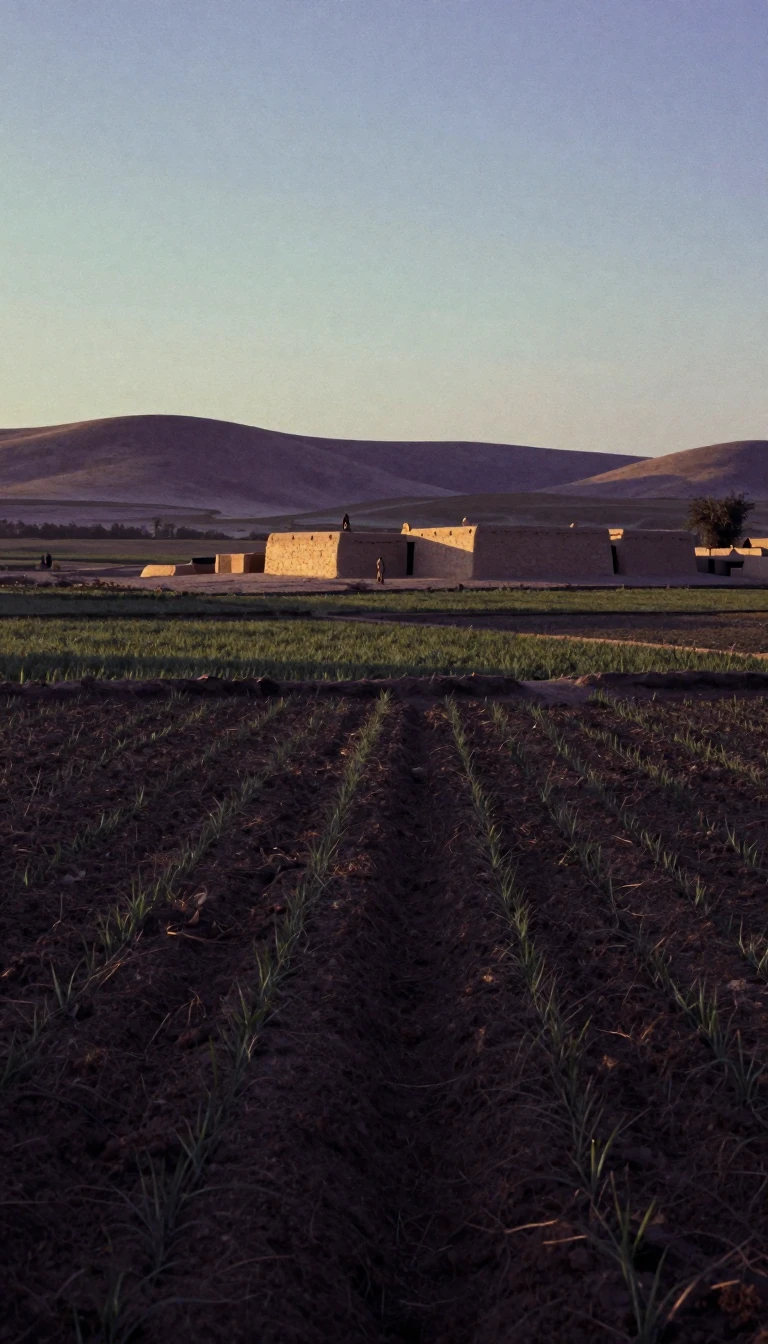
In short: About 1,000 Greek words defy explanation by standard linguistic roots. These remnants point to a lost pre-Greek substrate, a language or group of languages spoken in the region before Proto-Greek emerged. By analyzing these loanwords, scholars are reconstructing the phonology of a civilization that vanished thousands of years ago.
The origins of the Greek language are layered with complexity. While Proto-Greek became the dominant tongue, it absorbed significant influence from earlier inhabitants of the Greek peninsula and western Asia Minor. Scholars suggest these influences include both an Indo-European language, dubbed Parnassian by philologist Martin L. West, and one or more non-Indo-European languages. The Parnassian hypothesis draws on the distribution of place-names ending in -ssos and -nthos, which mirror similar structures in Anatolia, such as the Luwian-related Parnassa.
Identifying these ancient loanwords is a detective game of phonology. Pre-Greek words often exhibit patterns that clash with Indo-European norms, such as free variation between voiced, plain, and aspirated stops. For example, the word for asparagus appears in Greek as both aspháragos and aspáragos. Furthermore, pre-Greek featured distinct consonant clusters, like -kkʰ and -ppʰ, which were impossible in Proto-Indo-European. These linguistic markers suggest a language with a simple vowel system and a unique reliance on labialized and palatalized consonants.
The timeline of this cultural transition remains a subject of intense academic debate. While many researchers link the arrival of Proto-Greek to the shift between the Early Helladic II and III periods, roughly 2400 to 2200 BC, others challenge this. John E. Coleman, for instance, argues that archaeological evidence at Lerna does not support such a clear-cut cultural break. He proposes that Proto-Greek speakers may have arrived as early as 3200 BC, meaning the pre-Greek language was spoken by Late Neolithic II populations. Regardless of the exact date, the legacy of this substrate persists in everyday Greek terms for commodities and natural features, from clay to mountain crests.
Opens the Intellect+ feed with this card first. Swipe up for the next one.
Sources
- Summary by Intellect · source: Pre-Greek substrate
To cite this card, link to https://intellectplus.co.uk/app/history-pre-greek-substrate.
How we source, check and correct cards: Editorial standards.
General information, not professional advice. Spotted an error? Flag the card or see corrections and complaints.
Intellect Plus is a visual educational discovery platform for exploring fascinating facts and ideas. Brain Food, Not Brain Rot. What is Intellect Plus?
Related
More in Ancient · More in History · Latest · A–Z · All topics
