Genome from a Siberian finger bone reveals a new ancient human group
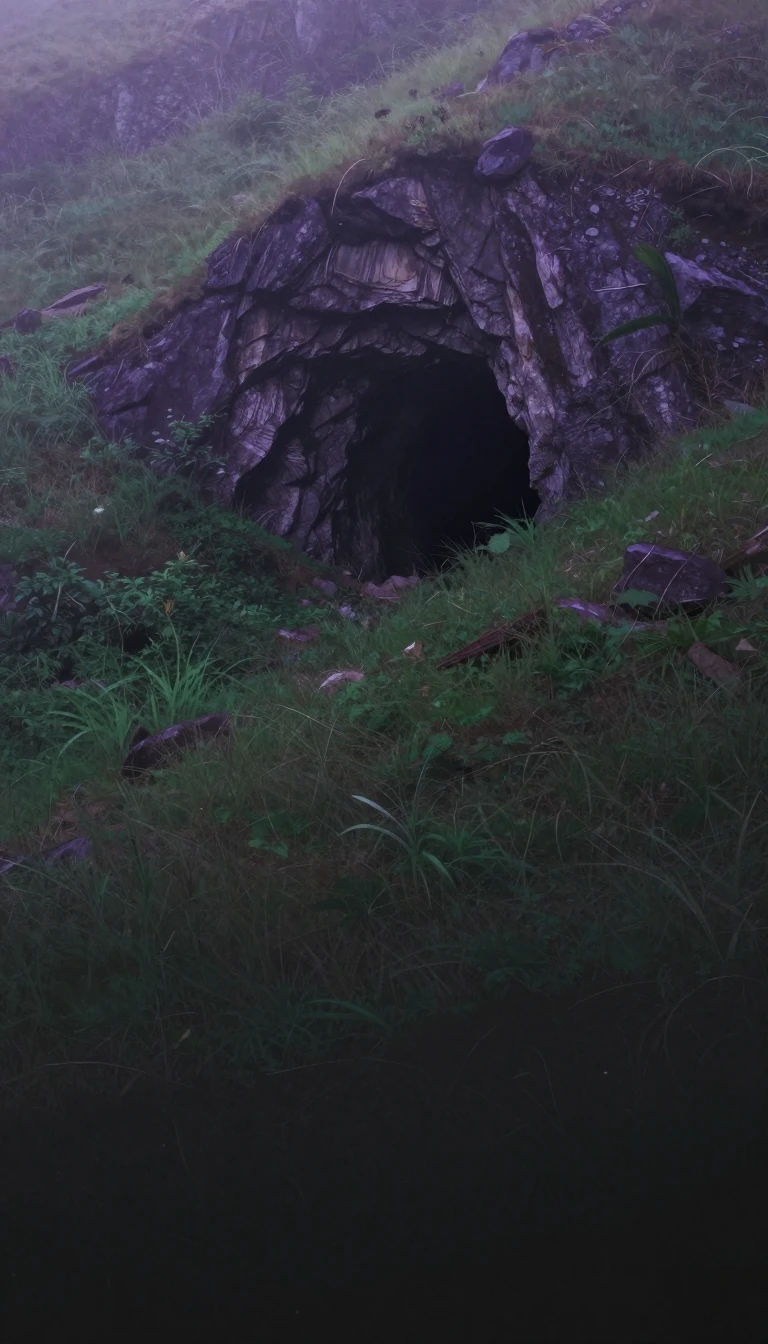
In short: Scientists sequenced DNA from a finger bone unearthed in a Siberian cave and identified a previously unknown group of ancient humans, now called Denisovans. Although this population shared a common ancestor with Neanderthals, its genetic makeup proved distinct, and the data suggested it left a mark on people living today: an estimated 4 to 6 percent of the genome of present-day Melanesians may trace back to Denisovan ancestry.
A tooth found in the same cave carried mitochondrial DNA closely matching the finger bone, and its shape resembled neither Neanderthals nor modern humans, reinforcing that Denisovans were a separate branch of the human family tree, possibly once widespread across Asia.
The findings rest on genome sequencing of ancient DNA from a single finger bone, compared with existing Neanderthal and modern human data. A limitation is that this picture of an entire ancient population comes from only a few physical remains.
Why it matters: This discovery revealed a previously unknown ancient human group whose genetic legacy persists in some people today.
Opens the Intellect+ feed with this card first. Swipe up for the next one.
Sources
- Source: Research: Reich et al. (2010). Genetic history of an archaic hominin group from Denisova Cave in Siberia. Nature. · cc-by-nc-sa
To cite this card, link to https://intellectplus.co.uk/app/history-research-ancient-denisovan-dna-reveals-a-unique-lineage-in-human-evol.
How we source, check and correct cards: Editorial standards.
General information, not professional advice. Spotted an error? Flag the card or see corrections and complaints.
Intellect Plus is a visual educational discovery platform for exploring fascinating facts and ideas. Brain Food, Not Brain Rot. What is Intellect Plus?
Related
More in Archaeology · More in History · Latest · A–Z · All topics
