From wrought silver to modern digital symbols, the rupee has shaped South Asian history.
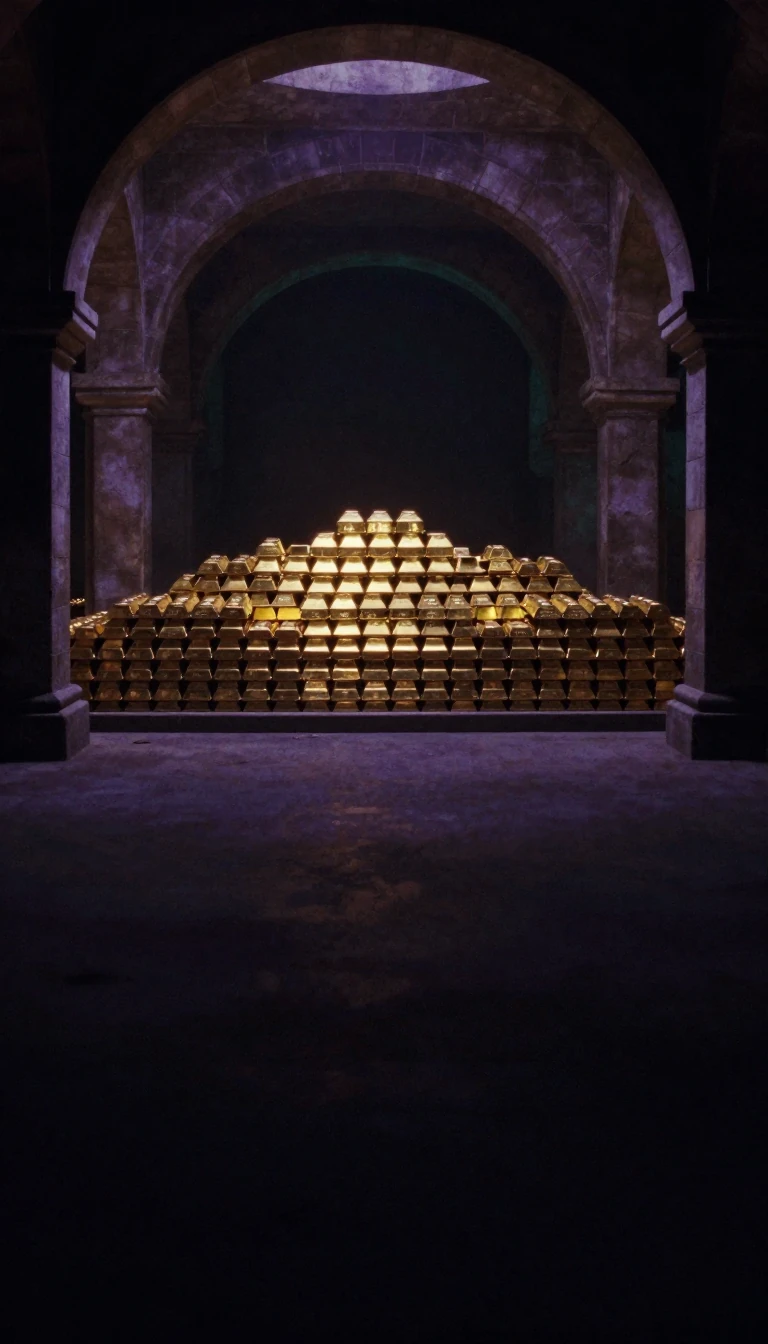
In short: The rupee is more than just a currency; it is a linguistic and economic legacy spanning centuries. Derived from the Sanskrit word for wrought silver, this monetary unit evolved from Mughal-era coins into the backbone of modern economies across South Asia, reflecting shifting imperial powers and the march toward decimalization.
The name rupee originates from the Sanskrit term rupya, meaning wrought silver, which itself traces back to rupa, signifying shape or likeness. While ancient India was among the world’s earliest coin issuers, the specific identity of the rupee solidified in the 16th century under the Mughal dynasty. Rulers like Sher Shah Suri issued silver coins of a standardized weight, establishing a system that persisted across the subcontinent for generations. By the mid-17th century, European powers began minting their own coins, often mimicking local styles to gain traction in regional trade.
The British East India Company initially operated under Mughal patronage, but by 1835, they enacted legislation to enforce a uniform coinage across India. This era saw various experiments, including the infamous 1911 pig rupee, where poor engraving made an elephant on King George V’s robe resemble a pig, offending the Muslim population. Economic pressures, particularly during the World Wars, forced shifts from silver to cupro-nickel and eventually to paper currency. The transition to a decimal system was a major milestone; India adopted it in 1957, replacing the traditional division of 16 annas with 100 paisa.
Today, the rupee serves as the official currency for nations including India, Pakistan, Mauritius, Nepal, and Seychelles. In India, the Reserve Bank of India holds exclusive authority over issuance, with the modern symbol ₹—introduced in 2010—blending Latin and Devanagari scripts to represent the nation's economic strength. Banknotes now feature the portrait of Mohandas Gandhi, while Pakistan’s currency honors Mohammed Ali Jinnah. Despite the shift toward digital finance and the demonetization of higher-value notes, the rupee remains a potent symbol of cultural heritage and sovereignty in the region, continuing a lineage that began with the silver coins of antiquity.
Opens the Intellect+ feed with this card first. Swipe up for the next one.
Sources
- Summary by Intellect · source: Rupee | Definition, Currency, Denominations, & Facts | Britannica Money
- Also: Rupee
To cite this card, link to https://intellectplus.co.uk/app/history-rupee.
How we source, check and correct cards: Editorial standards.
General information, not professional advice. Spotted an error? Flag the card or see corrections and complaints.
Intellect Plus is a visual educational discovery platform for exploring fascinating facts and ideas. Brain Food, Not Brain Rot. What is Intellect Plus?
Related
More in Post-classical · More in History · Latest · A–Z · All topics
