How a devastating crop failure forced the young Soviet state to accept Western aid
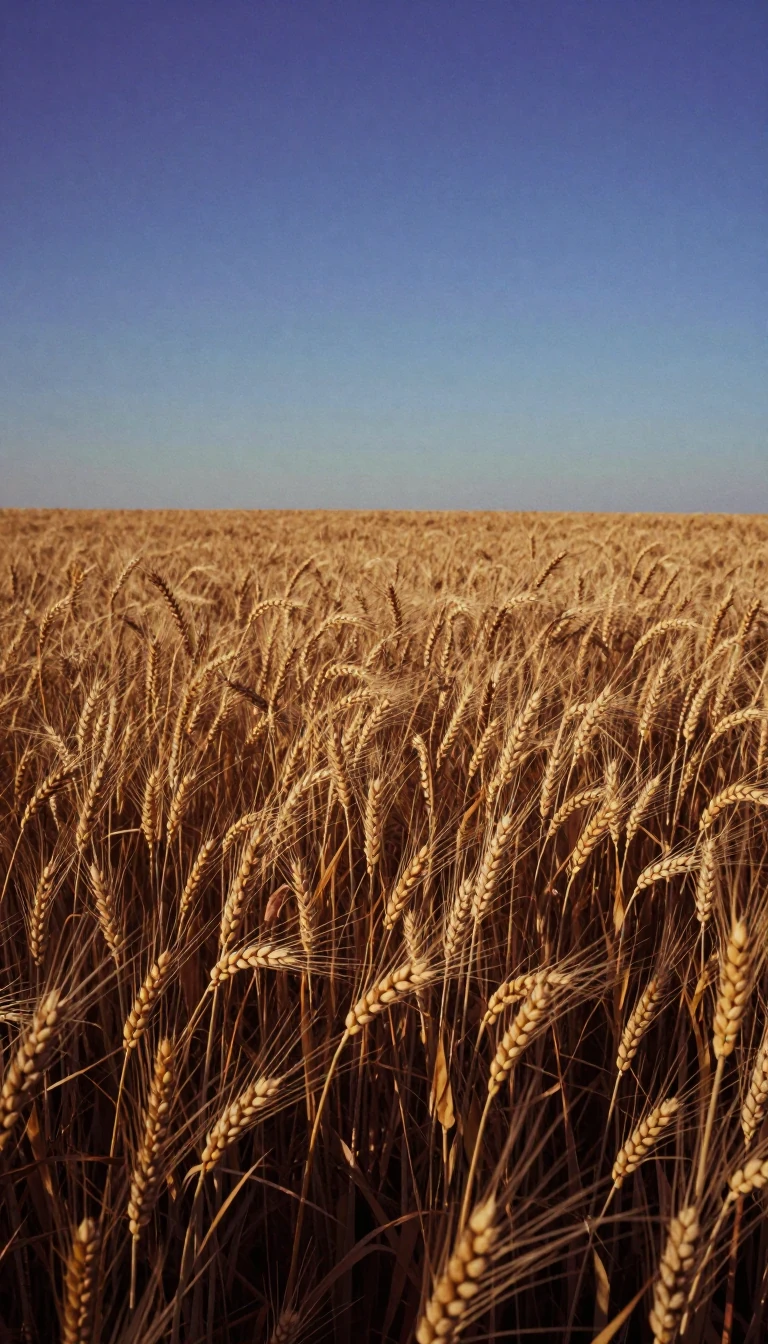
In short: In 1921, the newly established Soviet government faced a catastrophe that threatened its survival. Years of civil war and aggressive grain requisitioning had left the peasantry with no reserves. When a massive drought struck the Volga basin, twenty million people were pushed to the brink of starvation and total collapse.
The famine of 1921–1922 was the culmination of years of social and economic upheaval. Following the Russian Civil War, the Soviet government’s policy of 'food dictatorship'—which involved seizing grain from peasant producers—had led to a drastic reduction in the amount of land sown with crops. By the spring of 1921, the Volga basin was hit by a severe crop failure, the second in as many years, leaving the population with almost no margin for survival.
As the crisis deepened, the Bolsheviks were forced to pivot. In July 1921, the government began allowing tax exemptions for struggling peasants and sought international assistance. Maksim Gorky, a prominent intellectual, issued a public appeal for aid, which facilitated an agreement with the American Relief Administration (ARA), led by Herbert Hoover. This marked a rare moment of cooperation between the Soviet state and capitalist nations, as the ARA and other international bodies mobilized to provide food and medical supplies to millions.
The human cost of the famine was staggering. An estimated five million people died, many succumbing to infectious diseases like cholera and typhus that thrived in the weakened population. While the ARA eventually provided aid to ten million people over two years, the scale of the disaster was immense. At least one and a quarter million people fled the stricken regions in a desperate search for food, and in the most extreme cases, reports emerged of cannibalism as communities struggled to survive the total breakdown of food distribution systems.
The intervention of the ARA was significant not only for its scale but for its conditions. The organization demanded autonomy in distribution and insisted that aid be provided regardless of social status or creed. By securing funding from the U.S. Congress, the military, and private charities, the relief effort became a massive logistical operation that historians suggest played a crucial role in preventing the total ruin of the Soviet state during its most vulnerable early years.
Opens the Intellect+ feed with this card first. Swipe up for the next one.
Sources
- Summary by Intellect · source: Famine of 1921-22 | Seventeen Moments in Soviet History
- Also: Russian famine of 1921–1922
To cite this card, link to https://intellectplus.co.uk/app/history-russian-famine-of-1921-1922.
How we source, check and correct cards: Editorial standards.
General information, not professional advice. Spotted an error? Flag the card or see corrections and complaints.
Intellect Plus is a visual educational discovery platform for exploring fascinating facts and ideas. Brain Food, Not Brain Rot. What is Intellect Plus?
Related
More in Modern (1800-1945) · More in History · Latest · A–Z · All topics
