The 1925 Monkey Trial was a staged publicity stunt for a small Tennessee town
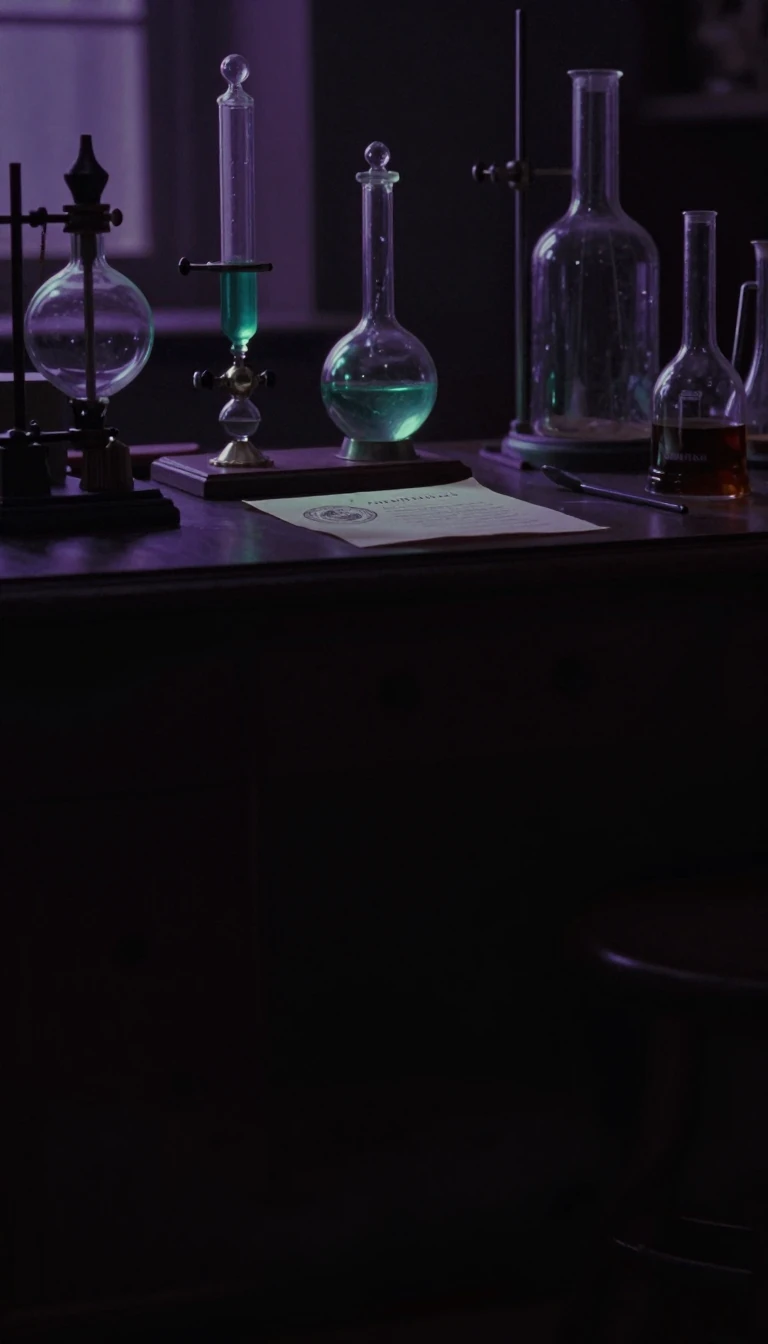
In short: When Tennessee banned teaching evolution in 1925, local boosters in Dayton saw an opportunity. They recruited a young teacher to violate the law, hoping a high-profile trial would save their struggling economy. The result was a national media circus that pitted religious fundamentalism against the rising tide of modern science.
The Scopes Trial, or 'Monkey Trial,' began as a calculated effort to challenge the Butler Act, a 1925 Tennessee law that made teaching evolution a misdemeanor. The American Civil Liberties Union (ACLU) sought a volunteer to test the law's constitutionality, but it was Dayton civic leader George W. Rappleyea who turned the idea into a local event. Seeking to boost the town's flagging population and economy, Rappleyea and local officials recruited 24-year-old John T. Scopes, a math and science teacher who had occasionally substituted in biology, to admit to teaching evolutionary theory from the textbook A Civic Biology.
The trial, held from July 10 to 21, 1925, became a national sensation. It was the first trial in American history to be broadcast live on radio, with WGN Radio paying $1,000 a day for the coverage. Outside the Rhea County Courthouse, the atmosphere was carnival-like, featuring food vendors, itinerant preachers, and even chimpanzees. Inside, the legal battle featured two titans: three-time presidential nominee William Jennings Bryan for the prosecution, and the renowned agnostic attorney Clarence Darrow for the defense. The proceedings were less about Scopes’s guilt and more about the cultural clash between fundamentalist religious literalism and modern scientific inquiry.
Darrow’s defense strategy relied on expert testimony from scholars, including several from the University of Chicago, who argued that evolutionary theory was compatible with Christian faith. However, Judge John Raulston ruled this expert testimony inadmissible, keeping the focus strictly on whether Scopes had violated the law. The trial’s climax occurred when Darrow called Bryan to the stand as an expert witness on the Bible, a move that allowed the defense to challenge the literal interpretation of Scripture. While Scopes was convicted and fined $100, the trial failed to settle the debate over evolution, instead cementing the event as a permanent symbol of the tension between traditional dogma and secular modernism in 20th-century America.
Opens the Intellect+ feed with this card first. Swipe up for the next one.
Sources
- Summary by Intellect · source: Scopes Trial | Date, History, Purpose, Definition, 1925, Significance, Monkey Trial, Clarence Darrow, William Jennings Bryan, & Butler Act | Britannica
- Also: The Scopes ‘Monkey Trial’: 100 years later
- Also: Scopes trial
To cite this card, link to https://intellectplus.co.uk/app/history-scopes-trial.
How we source, check and correct cards: Editorial standards.
General information, not professional advice. Spotted an error? Flag the card or see corrections and complaints.
Intellect Plus is a visual educational discovery platform for exploring fascinating facts and ideas. Brain Food, Not Brain Rot. What is Intellect Plus?
Related
More in Modern (1800-1945) · More in History · Latest · A–Z · All topics
