Was the Second Bank of the United States a central bank or a private corporation?
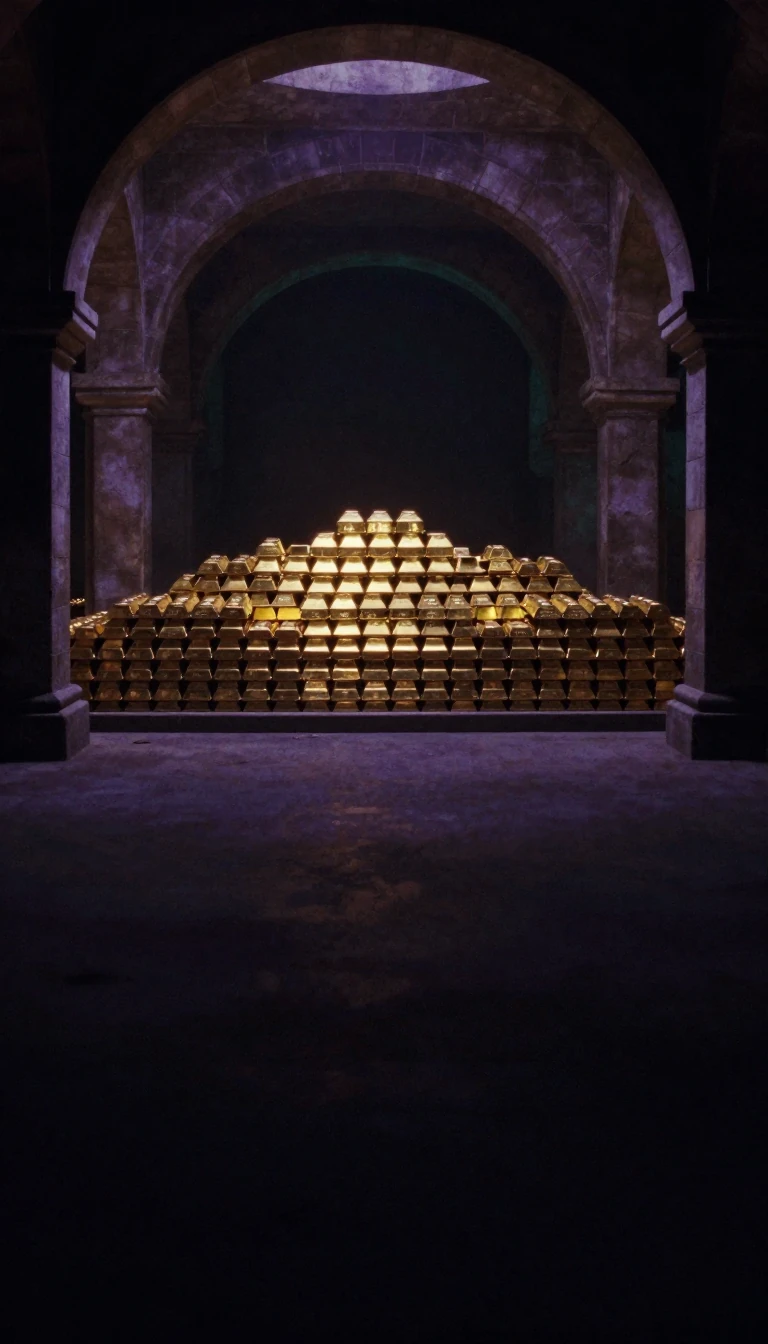
In short: Chartered in 1816, the Second Bank of the United States was a hybrid entity that acted as the federal government's fiscal agent while operating as a private, profit-seeking corporation. Its attempt to regulate the American economy sparked a fierce political war that ultimately reshaped the nation's financial landscape for decades.
The Second Bank was a unique institution, holding $35 million in capital with the federal government as its largest shareholder at 20 percent. While it managed government deposits and tax payments, it lacked the powers of a modern central bank; it could not set monetary policy or act as a lender of last resort. Its primary regulatory tool was the collection of local bank notes, which it forced private banks to redeem in specie—gold or silver coin. This requirement limited the ability of private lenders to issue excessive paper money, a practice that had fueled speculative bubbles.
The bank's history was defined by volatility. After a disastrous start under William Jones, which contributed to the Panic of 1819, the institution stabilized under Nicholas Biddle. By the late 1820s, it was widely seen as providing a sound national currency. However, President Andrew Jackson viewed the bank as a corrupt, unconstitutional threat to American liberty. In the 1832 election, Jackson successfully campaigned against the bank, subsequently removing federal deposits and effectively ending its regulatory role. The institution lost its federal charter in 1836, eventually liquidating in 1852.
Beyond its financial impact, the bank is remembered for its iconic headquarters in Philadelphia, designed by William Strickland. Completed in 1824, the building is a monumental example of Greek Revival architecture, modeled after the Parthenon. Today, the structure serves as an art gallery within Independence National Historical Park, housing portraits of early American figures. While the bank itself failed, its architectural legacy remains a landmark of 19th-century American ambition.
Opens the Intellect+ feed with this card first. Swipe up for the next one.
Sources
- Summary by Intellect · source: Second Bank of the United States
To cite this card, link to https://intellectplus.co.uk/app/history-second-bank-of-the-united-states.
How we source, check and correct cards: Editorial standards.
General information, not professional advice. Spotted an error? Flag the card or see corrections and complaints.
Intellect Plus is a visual educational discovery platform for exploring fascinating facts and ideas. Brain Food, Not Brain Rot. What is Intellect Plus?
Related
More in Modern (1800-1945) · More in History · Latest · A–Z · All topics
