Why the rank of seaman means something different in every navy around the world
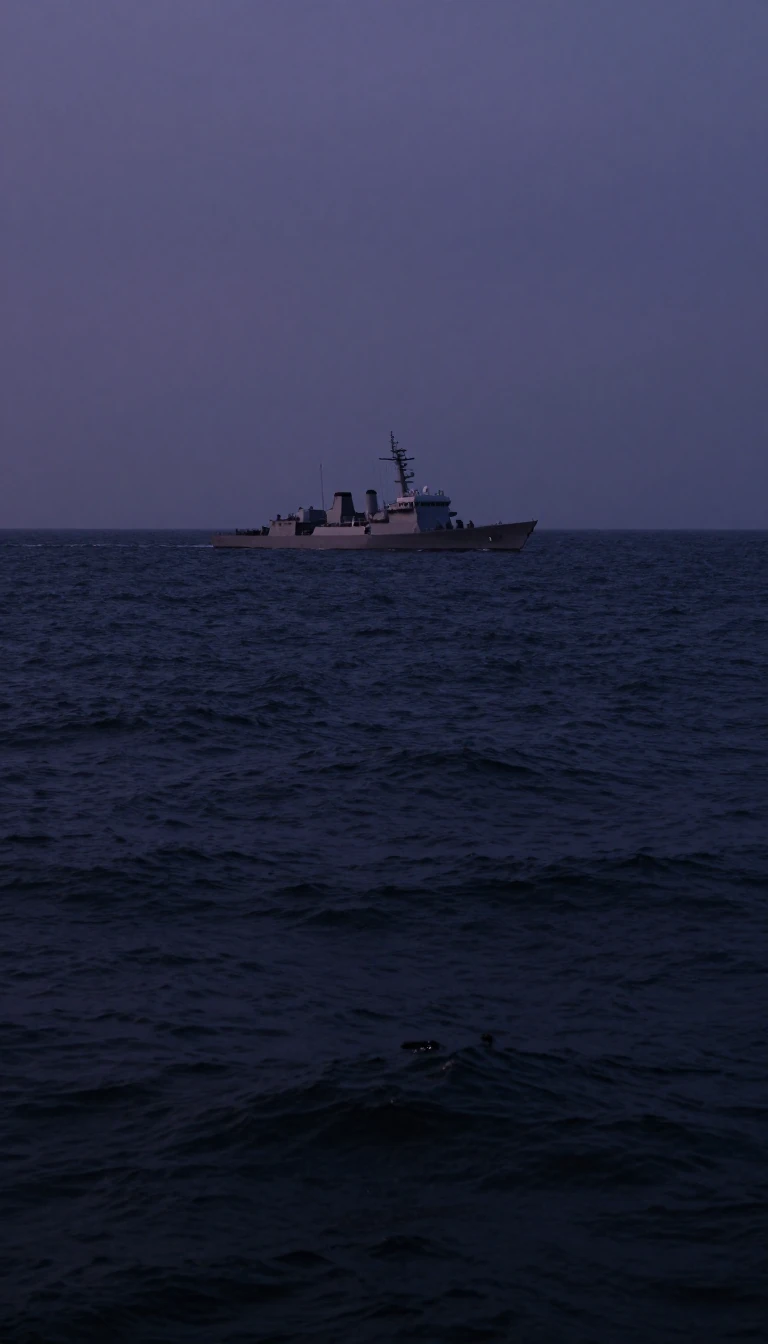
In short: While the term seaman is a universal naval staple, its meaning shifts dramatically across borders. From the lowest entry-level position in Germany to a specific mid-tier grade in the United States, this junior rank reveals how different nations structure their maritime hierarchies and define the path to professional expertise.
The rank of seaman is a foundational military designation, yet its application is far from uniform. In many Commonwealth nations, it represents the absolute lowest rung of the naval ladder. Conversely, the United States Navy and Coast Guard utilize the term to describe the three lowest enlisted pay grades, with 'seaman' specifically denoting the E-3 level. This rank is not merely a title but a reflection of a sailor's professional status; in the U.S., personnel are often categorized as 'undesignated' or 'non-rates' until they complete technical training or 'strike' for a specific rating, such as a machinist's mate or hospitalman.
The linguistic roots of these ranks often mirror historical influence. The Russian term 'matros' and its variants in Latvia and Estonia are direct borrowings from the Dutch 'matroos,' tracing back to the 16th and 17th centuries when the Dutch Republic provided military expertise to Russia. While the Soviet Union briefly replaced the term with 'Red Fleet man' following the 1917 Revolution, the traditional title was reinstated in 1943 and persists in the Russian Federation and several former Soviet republics today. Other nations have moved toward gender-neutral language; for instance, Canada replaced 'seaman' with 'sailor' in August 2020 to modernize its terminology.
Insignia and classification further distinguish these roles. In the Royal Australian Navy, the rank is split into 'seaman' and 'seaman*' to differentiate between those currently in training and those who have finished their employment requirements. Meanwhile, the U.S. Navy uses color-coded stripes on uniforms to denote specific career paths: white for general deck personnel, red for engineering 'firemen,' green for aviation 'airmen,' and light blue for construction 'constructionmen.' These visual markers serve as a shorthand for a sailor's technical group, illustrating how navies balance a shared maritime heritage with the highly specialized demands of modern naval service.
Opens the Intellect+ feed with this card first. Swipe up for the next one.
Sources
- Summary by Intellect · source: Seaman (rank)
To cite this card, link to https://intellectplus.co.uk/app/history-seaman-rank.
How we source, check and correct cards: Editorial standards.
General information, not professional advice. Spotted an error? Flag the card or see corrections and complaints.
Intellect Plus is a visual educational discovery platform for exploring fascinating facts and ideas. Brain Food, Not Brain Rot. What is Intellect Plus?
Related
More in Explorers · More in History · Latest · A–Z · All topics
