Shugendō: The Ancient Japanese Path of Spiritual Power Through Mountain Asceticism
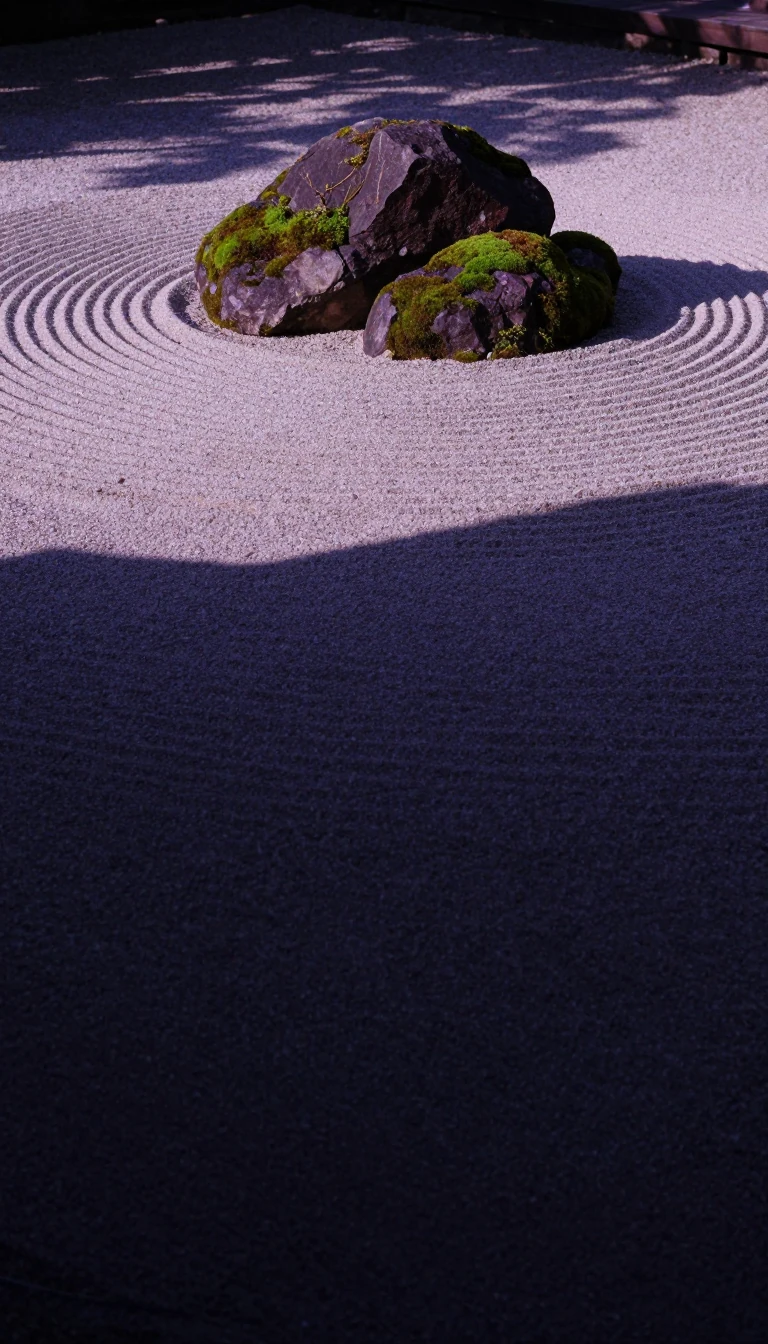
In short: Shugendō is a unique Japanese religious tradition that blends Esoteric Buddhism, Shinto, and mountain worship. Practitioners, known as Yamabushi, seek spiritual power and compassion by enduring rigorous training in steep, sacred mountains. This path, which dates back to the seventh century, remains a profound intersection of the human and divine.
Originating in the seventh century, Shugendō is defined as the way of trial and practice. Its legendary patriarch, the mystic En no Gyōja, is said to have pioneered these mountain austerities. The tradition evolved by synthesizing local folk beliefs, Shinto mountain veneration, and Esoteric Buddhist doctrines. By the ninth century, it had deeply integrated Shingon and Tendai Buddhist frameworks, creating a complex, decentralized religious landscape.
The core of Shugendō is nyūbu shugyō, or practice within the mountains. Shugenja view these peaks as sacred mandalas and homes to deities. Through physical challenges—such as winter retreats or ritualized climbing—practitioners aim to cultivate Siddhi, or spiritual power, and compassion. A central figure in this practice is the deity Fudō Myōō; practitioners often perform rituals to identify with his protective energy, using fire ceremonies and incantations to avert misfortune or heal the suffering of others.
Throughout history, Shugendō faced significant institutional pressure. In 1613, the Tokugawa government enforced the Shugendo Hatto, compelling independent lineages to affiliate with either the Shingon-aligned Tōzan-ha or the Tendai-aligned Honzan-ha. Later, the Meiji government’s 1872 ban on the syncretic religion forced it underground. It was only after post-World War II religious freedom reforms that many lineages regained their independence, allowing the tradition to persist as a spectrum ranging from lay pilgrimage confraternities to highly formalized institutional priesthoods.
Today, Shugendō persists through sites like the Ōmine mountain range, a UNESCO World Heritage area. The tradition’s resilience is evidenced by archaeological findings; for instance, a 1907 expedition to Mount Tsurugi discovered artifacts dating back over 1,000 years, confirming that practitioners were scaling Japan's most rugged peaks long before modern mountaineers. Whether through the dramatic legends of Zaō Gongen or the quiet endurance of a mountain retreat, Shugendō continues to bridge the gap between the physical world and the supernatural.
Opens the Intellect+ feed with this card first. Swipe up for the next one.
Sources
- Summary by Intellect · source: Shugendō
To cite this card, link to https://intellectplus.co.uk/app/history-shugend.
How we source, check and correct cards: Editorial standards.
General information, not professional advice. Spotted an error? Flag the card or see corrections and complaints.
Intellect Plus is a visual educational discovery platform for exploring fascinating facts and ideas. Brain Food, Not Brain Rot. What is Intellect Plus?
Related
More in History by subject matter · More in History · Latest · A–Z · All topics
