The Soviet ruble was a currency defined by constant revaluations and hidden silver origins.
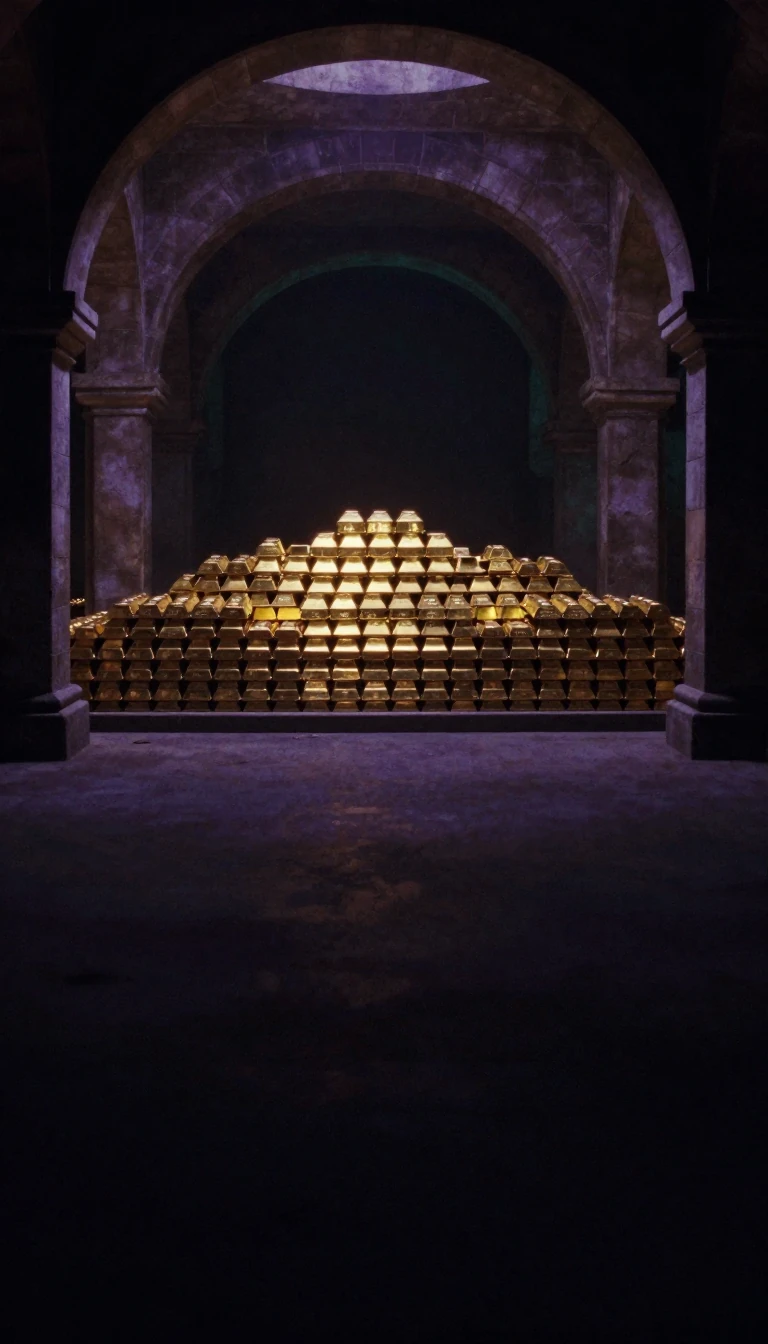
In short: Born from silver ingots and chopped into pieces, the Soviet ruble became a tool of state control. Through decades of hyperinflation, confiscatory reforms, and wartime shortages, the currency evolved from gold-backed notes to a complex system of virtual accounting, eventually leaving behind a legacy of coins that outlived the state itself.
The word ruble traces back to the Russian verb 'rubit', meaning to chop, referring to the historical practice of slicing silver ingots into smaller, usable pieces. This metallic heritage persisted even as the Soviet government introduced its own currency in 1922. Early Soviet economic history was defined by extreme volatility; the initial paper rubles suffered from hyperinflation, leading to the introduction of a gold-backed chervonets in 1921 to stabilize the economy. By 1924, a new ruble was issued at a rate equal to 50,000 of the previous notes, attempting to restore parity with the gold standard.
Monetary policy often served as a mechanism for social control rather than just economic management. The 1947 reform was explicitly confiscatory, designed to strip peasants of cash accumulated during the war by revaluing old rubles at one-tenth of their face value. While this targeted private wealth, it notably excluded bank accounts under 3,000 rubles. Later, the 1961 revaluation introduced a new ruble at a 10:1 ratio, though this time it was accompanied by a comprehensive restatement of wages and prices, differing from the punitive nature of the 1947 measure.
The physical currency also reflected the shifting political landscape. Banknotes featured the currency name in the languages of every Soviet Republic, with the state emblem modified to reflect the addition or removal of republics—such as the 1957 reduction of ribbons from 16 to 15 following the dissolution of the Karelo-Finnish SSR. Even after the Soviet Union collapsed in 1991, the ruble persisted in a 'ruble zone' until 1993. Some commemorative coins, due to their physical similarity to Swiss currency, were even used to defraud vending machines in Switzerland long after the Soviet Union had ceased to exist.
Opens the Intellect+ feed with this card first. Swipe up for the next one.
Sources
- Summary by Intellect · source: Soviet ruble
To cite this card, link to https://intellectplus.co.uk/app/history-soviet-ruble.
How we source, check and correct cards: Editorial standards.
General information, not professional advice. Spotted an error? Flag the card or see corrections and complaints.
Intellect Plus is a visual educational discovery platform for exploring fascinating facts and ideas. Brain Food, Not Brain Rot. What is Intellect Plus?
Related
More in History by subject matter · More in History · Latest · A–Z · All topics
