How the Southern Federal District of Russia evolved through shifting borders and political renaming
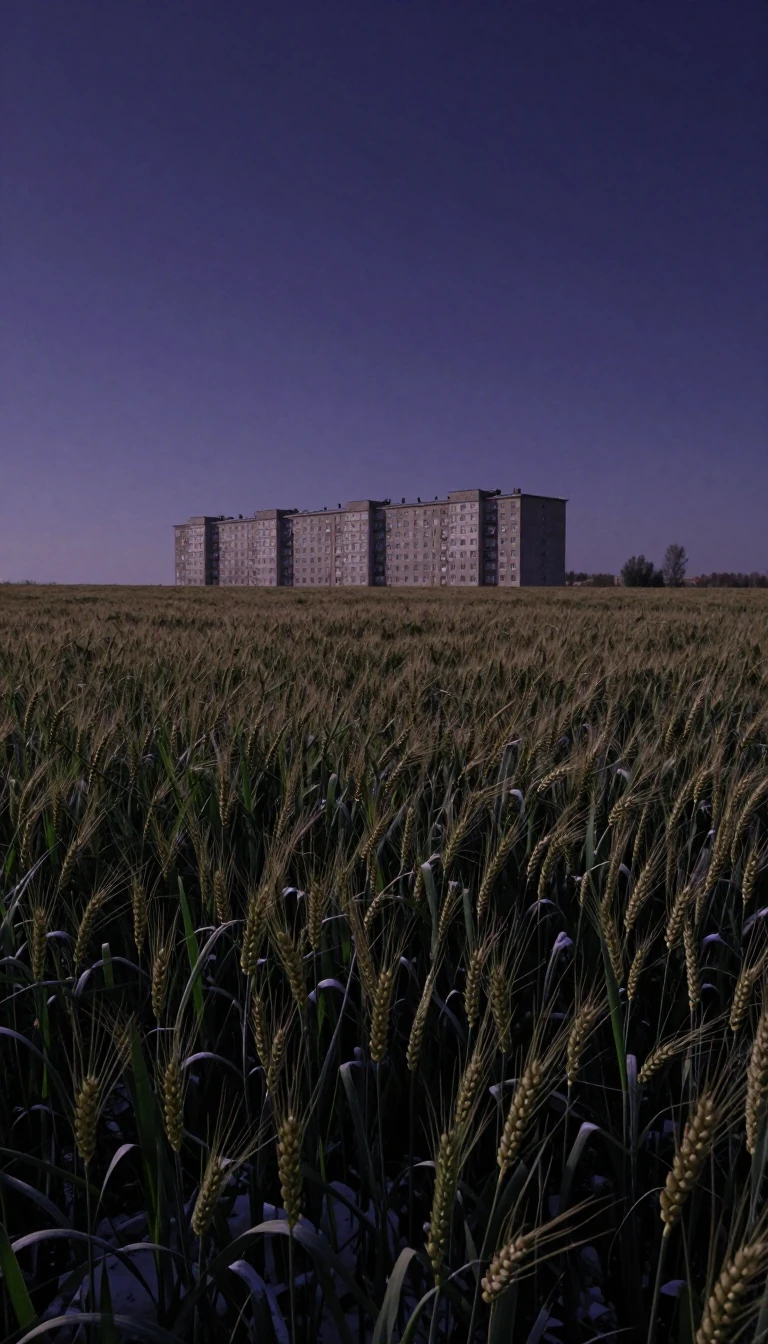
In short: The Southern Federal District is a sprawling territory across the Pontic–Caspian steppe. Originally established in 2000, it has undergone significant administrative restructuring, including a major split in 2010 and a controversial expansion in 2016. Understanding this region requires looking beyond its geography to the complex political mechanisms shaping its governance.
Established on 13 May 2000, the region was initially designated the North Caucasian Federal District. However, political considerations led to a name change just over a month later, on 21 June 2000. This administrative entity serves as one of eight federal districts within Russia, occupying a strategic position between the Black and Caspian Seas, while bordering Ukraine and Kazakhstan.
The district's internal structure has remained fluid. In 2010, the territory was divided, with its southern portions carved out to form a separate North Caucasian Federal District. A more significant shift occurred on 28 July 2016, when the Crimean Federal District—which had been created on 21 March 2014 following the annexation of Crimea—was abolished and merged into the Southern Federal District. This consolidation was officially justified as an effort to improve governance, though the status of the included territories, such as the Republic of Crimea and Sevastopol, remains a point of international contention.
Beyond its borders, the district is defined by its diverse population and administrative classification. As of the 2010 census, the region held over 13.8 million residents, with a majority living in urban areas. The terminology used to describe these regions is itself a subject of debate among linguists and translators. While some official documents refer to these areas as subjects of the Russian Federation, experts like Tom Fennell and Tamara Nekrasova argue that constituent entity is a more accurate translation, noting that subject implies a monarchical structure that does not align with the constitutional framework.
Opens the Intellect+ feed with this card first. Swipe up for the next one.
Sources
- Summary by Intellect · source: Southern Federal District
To cite this card, link to https://intellectplus.co.uk/app/history-southern-federal-district.
How we source, check and correct cards: Editorial standards.
General information, not professional advice. Spotted an error? Flag the card or see corrections and complaints.
Intellect Plus is a visual educational discovery platform for exploring fascinating facts and ideas. Brain Food, Not Brain Rot. What is Intellect Plus?
Related
More in Explorers · More in History · Latest · A–Z · All topics
