This Portuguese city once hosted the treaty that effectively divided the entire world.
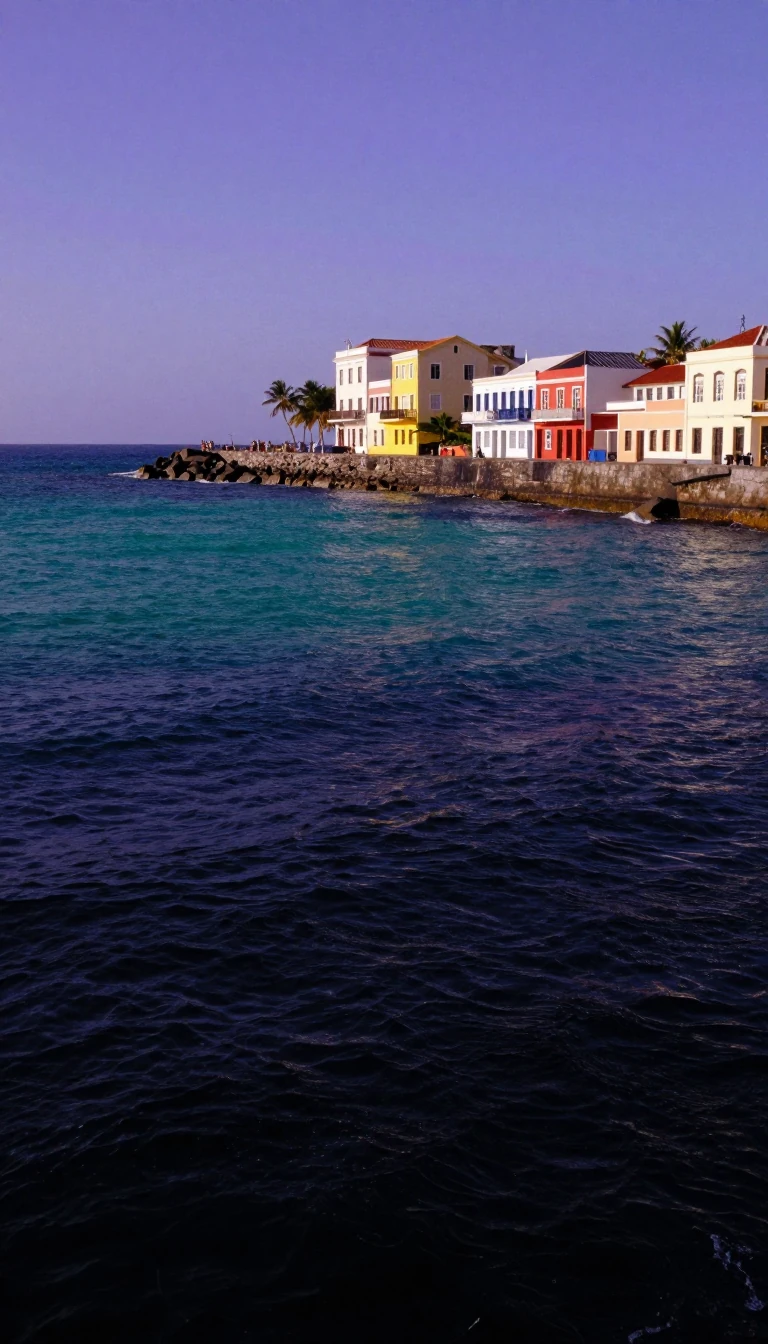
In short: Setúbal is more than a coastal hub. Beyond its history as a major fishing center and salt exporter, this city served as the stage for a monumental geopolitical pact. In a 15th-century monastery, King John II oversaw the signing of the first treaty to partition the globe between two powers.
Located on the Sado River estuary, Setúbal has evolved through layers of history. Known as Caetobriga in pre-Roman times and later as Shaṭūbar under Al-Andalus, the city’s strategic importance is anchored in its geography. By the 17th century, English merchants knew the port as Saint Ubes, a name famously associated with the high-quality sea salt that was exported as far as Australia by the 1830s.
The city's most significant historical contribution occurred within the Monastery of Jesus. This 15th- and 16th-century structure, a pioneer of the Manueline architectural style, hosted the signing of the first treaty that divided the world between two competing powers. This act was presided over by King John II, a monarch remembered as the perfect prince. The city’s defensive legacy is equally robust; the Castelo de São Filipe, commissioned by King Sebastian in 1575 to counter Mediterranean and Atlantic piracy, remains a sentinel overlooking the estuary.
While Setúbal was officially recognized as a city only in April 1860, its identity has shifted from a 20th-century industrial powerhouse—once Portugal's primary sardine processing center—to a modern destination defined by tourism and the Arrábida hills. It remains a place of extremes; in August 2018, it recorded a temperature of 45.5 °C, the highest ever registered on the Iberian Peninsula's coast. Today, the city balances this intense climate and its deep maritime heritage with a vibrant cultural life, home to the Roman Catholic Diocese of Setúbal and a legacy of poets, singers, and navigators.
Opens the Intellect+ feed with this card first. Swipe up for the next one.
Sources
- Summary by Intellect · source: Setúbal
To cite this card, link to https://intellectplus.co.uk/app/history-set-bal.
How we source, check and correct cards: Editorial standards.
General information, not professional advice. Spotted an error? Flag the card or see corrections and complaints.
Intellect Plus is a visual educational discovery platform for exploring fascinating facts and ideas. Brain Food, Not Brain Rot. What is Intellect Plus?
Related
More in Explorers · More in History · Latest · A–Z · All topics
