How a Manhattan cul-de-sac became the ultimate address for the global elite
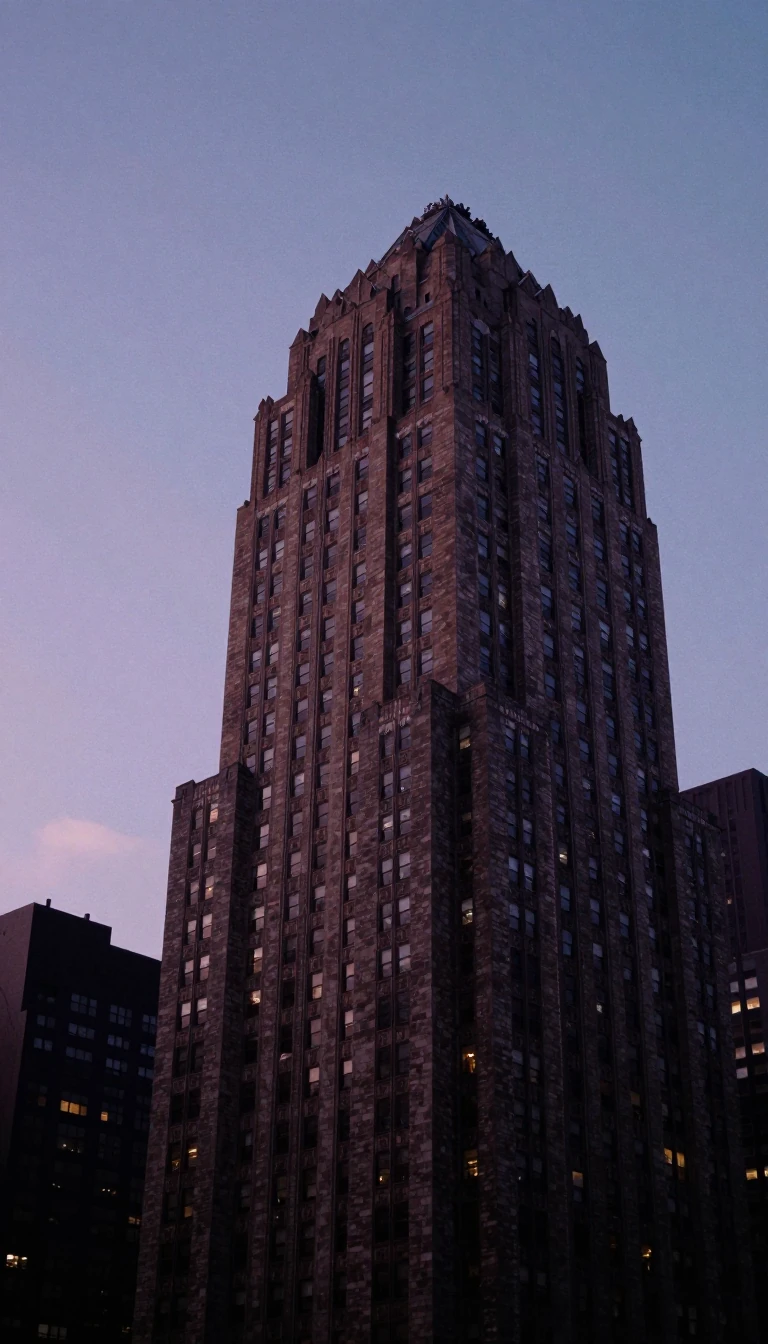
In short: Sutton Place began as a disconnected stretch of Avenue A, but transformed into a prestigious enclave for socialites and world leaders. From its origins in 1875 to its status as a literary and political landmark, this quiet neighborhood hides a complex history of architectural ambition and legal battles over land.
The neighborhood's identity was forged in the early 1920s when socialites like Anne Harriman Vanderbilt and Anne Morgan commissioned townhouses overlooking the East River. This shift toward luxury attracted developers who filled the area with grand co-operative apartment buildings designed by architects such as Rosario Candela and Emery Roth. These structures, including the 26-story River House completed in 1931, established the area's reputation for exclusivity, eventually drawing residents ranging from Marilyn Monroe and Arthur Miller to various UN Secretaries-General.
Despite its refined facade, Sutton Place has been defined by unique urban challenges. The neighborhood sits atop the FDR Drive, a major parkway that remains largely hidden from street view. This infrastructure project led to a decades-long dispute over the backyard of One Sutton Place South. In 1939, the city acquired the land via eminent domain to build the highway, leasing it back to the building for $1 annually. The conflict culminated in a 2011 settlement where the city and the co-op split the land and each contributed $1 million to create a public park.
Today, the Sutton Place Historic District preserves a slice of the neighborhood's early 20th-century character. Designated in 1985, the district includes twelve single-family townhouses built in the 1920s, which stand in contrast to the taller apartment buildings nearby. While the area's development stalled during the Great Depression, the subsequent decades saw the rise of modern luxury towers, cementing the neighborhood's status as a persistent, if occasionally contentious, bastion of Manhattan affluence.
Opens the Intellect+ feed with this card first. Swipe up for the next one.
Sources
- Summary by Intellect · source: Sutton Place, Manhattan
To cite this card, link to https://intellectplus.co.uk/app/history-sutton-place-manhattan.
How we source, check and correct cards: Editorial standards.
General information, not professional advice. Spotted an error? Flag the card or see corrections and complaints.
Intellect Plus is a visual educational discovery platform for exploring fascinating facts and ideas. Brain Food, Not Brain Rot. What is Intellect Plus?
Related
More in Modern · More in History · Latest · A–Z · All topics
