Tübingen: A medieval university city that survived the war with its fabric intact
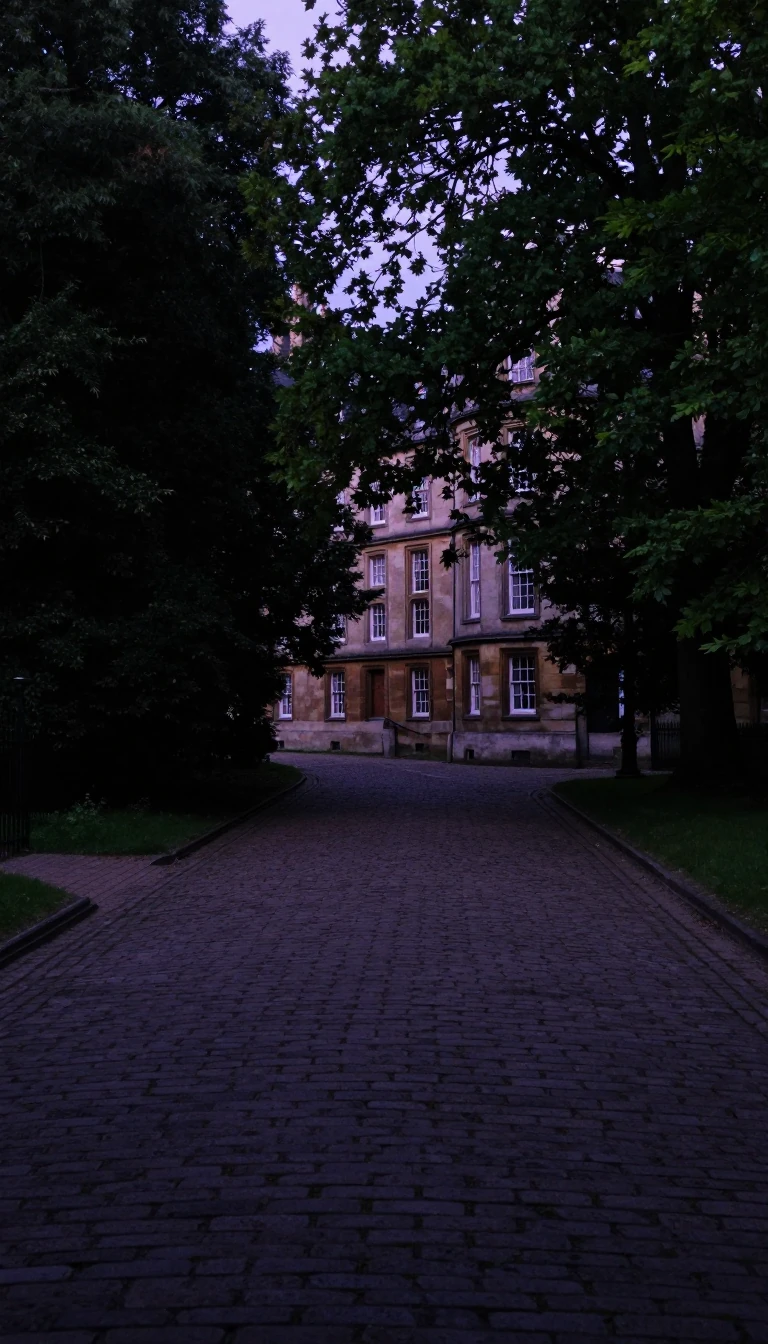
In short: Tübingen is a rare German city that escaped the devastation of the Second World War, leaving its historic medieval core remarkably preserved. Today, this university town balances its ancient architecture with a youthful population, progressive local politics, and a unique history of both intellectual achievement and political resistance.
Founded in 1477 by Count Eberhard V, the Eberhard Karl University transformed Tübingen into a major center of learning in the Holy Roman Empire. The university’s influence remains profound; with over 26,000 students in a city of 90,000 residents, Tübingen maintains one of the youngest average populations in Germany. This academic heritage is physically woven into the city, from the 15th-century St. George’s Collegiate Church to the fraternity houses that have defined the town's social landscape since the 19th century.
The city’s history is marked by a tension between tradition and radical change. In 1514, the Treaty of Tübingen forced Duke Ulrich to accept co-governance with local estates, securing early civil liberties. Centuries later, the city became a crucible for the 1968 student movement, which challenged the perceived continuities between the Federal Republic and the Nazi regime. This spirit of activism persists; the Green Party has been the largest force in the local council since 2004, and the city recently implemented Germany's first tax on disposable food packaging to push toward climate neutrality by 2030.
Tübingen’s survival during the Second World War—suffering only minor damage—allows visitors to experience an authentic medieval layout of cobblestone lanes and half-timbered houses. Yet, the city does not shy away from its darker chapters. A memorial on the Neckarinsel, once dedicated to composer Friedrich Silcher, was rededicated in 2020 to serve as a warning against the capture of the arts by nationalist and racist forces. This blend of preservation and critical reflection defines modern Tübingen, a city that remains a hub for science, arts, and specialized healthcare.
Opens the Intellect+ feed with this card first. Swipe up for the next one.
Sources
- Summary by Intellect · source: Tübingen
To cite this card, link to https://intellectplus.co.uk/app/history-t-bingen.
How we source, check and correct cards: Editorial standards.
General information, not professional advice. Spotted an error? Flag the card or see corrections and complaints.
Intellect Plus is a visual educational discovery platform for exploring fascinating facts and ideas. Brain Food, Not Brain Rot. What is Intellect Plus?
Related
More in Modern · More in History · Latest · A–Z · All topics
