The high-altitude history of Manhattan's most exclusive residential enclave
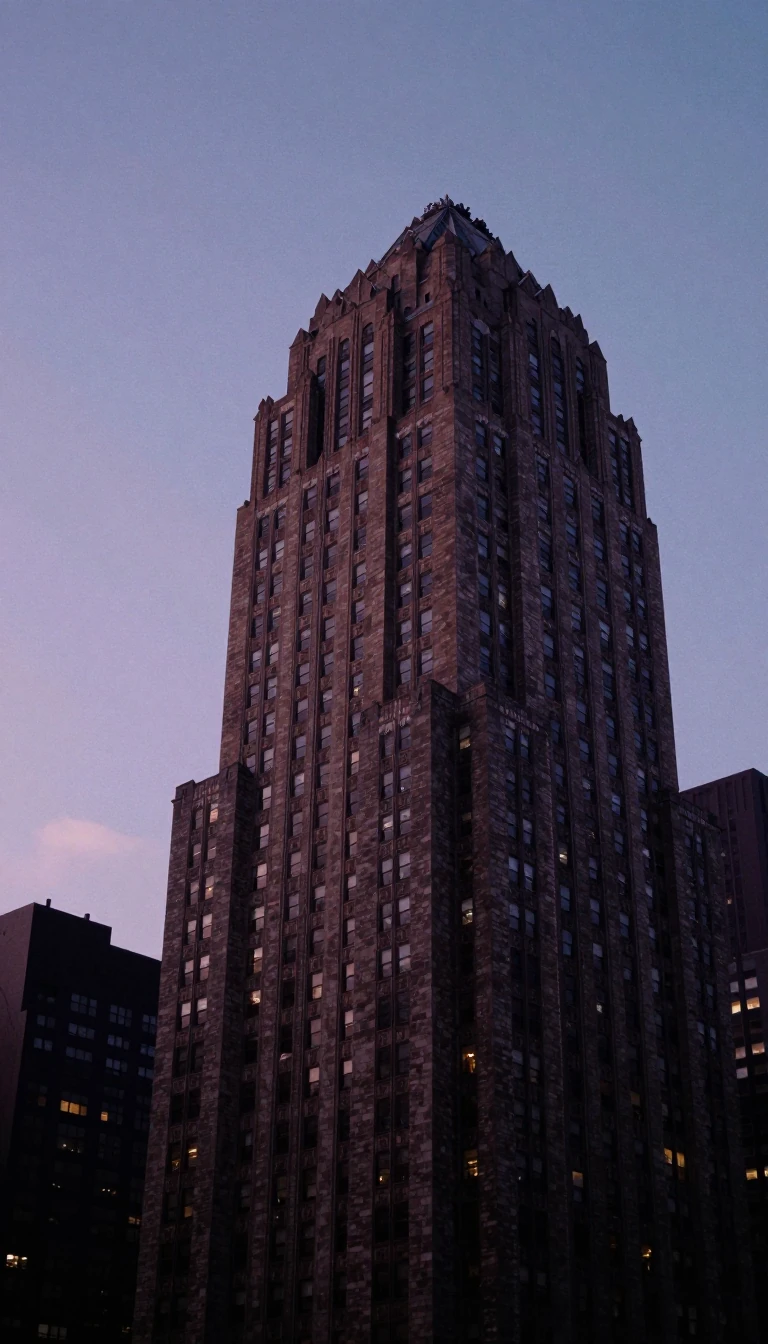
In short: Beekman Place isn't just a street; it is a topographical anomaly and a fortress of social status. From 18th-century Dutch settlements to the headquarters of the United Nations, this tiny New York corridor has served as a sanctuary for royalty, revolutionaries, and some of the world’s wealthiest families.
The enclave's identity is rooted in its physical elevation. Laid out in the 1860s, Beekman Place was developed specifically because its topography was higher than the surrounding neighborhood. This height allowed for a residential sanctuary that felt distinct from the industrial activity of the East River. Early development featured four-story brownstones, but the area's prestige was cemented by unique legal protections.
In 1865, James Beekman created a deed agreement for his family's waterfront land that prohibited any structures from rising above 40 feet (12 m). This was a deliberate move to preserve views for the residents of Beekman Place. Despite six years of litigation starting in 1914 to remove this restriction, the court ruled against the estate, ensuring that the skyline remained subservient to the enclave's visual privacy.
The street has hosted an extraordinary lineage of inhabitants and events. During the American Revolutionary War, British forces occupied Mount Pleasant, a 1765 mansion that also saw Nathan Hale's trial as a spy. The area has hosted icons such as Irving Berlin, who passed away at The Luxembourg House (17 Beekman Place), and appeared in films or books as a sign of WASPish riches.
Today, the area remains a hub of international diplomacy. Several residences converted from private homes into official missions; 31 Beekman Place functions as the United Nations office for Tunisia's permanent mission, whereas 17 Beekman Place is home to Luxembourg's Permanent Mission. This evolution highlights the shift from private dynastic wealth to global institutional presence.
Opens the Intellect+ feed with this card first. Swipe up for the next one.
Sources
- Summary by Intellect · source: Beekman Place
To cite this card, link to https://intellectplus.co.uk/app/health-beekman-place.
How we source, check and correct cards: Editorial standards.
General information, not professional advice. Spotted an error? Flag the card or see corrections and complaints.
Intellect Plus is a visual educational discovery platform for exploring fascinating facts and ideas. Brain Food, Not Brain Rot. What is Intellect Plus?
Related
More in Future Frontier · More in Health · Latest · A–Z · All topics
