Why the original Tablets of Stone were shattered and then replaced by human hands
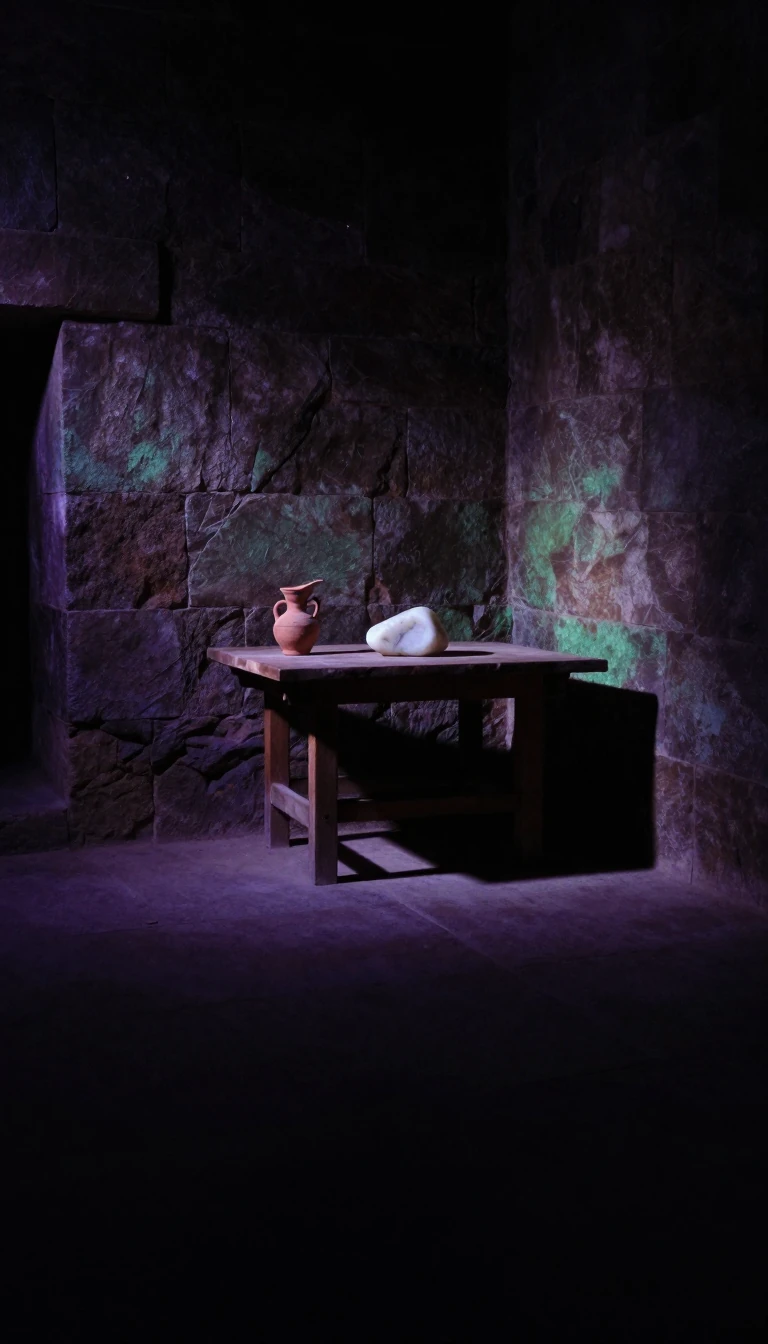
In short: The Ten Commandments were not just divine decrees but a formal treaty. When Moses smashed the first set of stone tablets, it was a calculated legal act signaling the end of a broken covenant. The second set, crafted by Moses himself, represents the shift toward a partnership requiring human responsibility.
In the biblical narrative, the first tablets were entirely divine, inscribed by the finger of God. Their destruction by Moses upon discovering the golden calf was not a tantrum, but a symbolic annulment of a marriage contract. Rabbinic tradition suggests this rupture was necessary; the covenantal terms had been violated, and the physical document could no longer exist. God reportedly affirmed this destruction, noting that the tablets could not remain intact once the underlying agreement was shattered.
The second set of tablets introduced a critical evolution: human participation. Moses was commanded to hew the stone himself, while God provided the inscription. This transition from purely miraculous revelation to a collaborative effort highlights a core theme in Jewish thought: the covenant is sustained through human action and responsibility. Remarkably, tradition holds that both the broken shards of the first tablets and the intact second set were housed together in the Ark of the Covenant, serving as a permanent reminder that holiness can persist even amidst failure and imperfection.
While modern art often depicts the tablets with rounded tops, historical tradition and early iconography favor a rectangular, block-like shape. According to the Talmud, these stones were substantial, measuring roughly 20 inches wide and high, and 10 inches thick. Some scholars, such as Thomas Römer, have proposed that these tablets may have functioned as substitutes for earlier cultic statues or sacred stones. Regardless of their physical form, their placement within the Ark mirrored ancient Near Eastern practices of depositing treaty documents in temples as sacred, binding witnesses to the law.
Opens the Intellect+ feed with this card first. Swipe up for the next one.
Sources
- Summary by Intellect · source: Tablets of Stone
To cite this card, link to https://intellectplus.co.uk/app/history-tablets-of-stone.
How we source, check and correct cards: Editorial standards.
General information, not professional advice. Spotted an error? Flag the card or see corrections and complaints.
Intellect Plus is a visual educational discovery platform for exploring fascinating facts and ideas. Brain Food, Not Brain Rot. What is Intellect Plus?
Related
More in Ancient · More in History · Latest · A–Z · All topics
