How a lost 5th-century kingdom shaped the modern landscape of Greater Jakarta
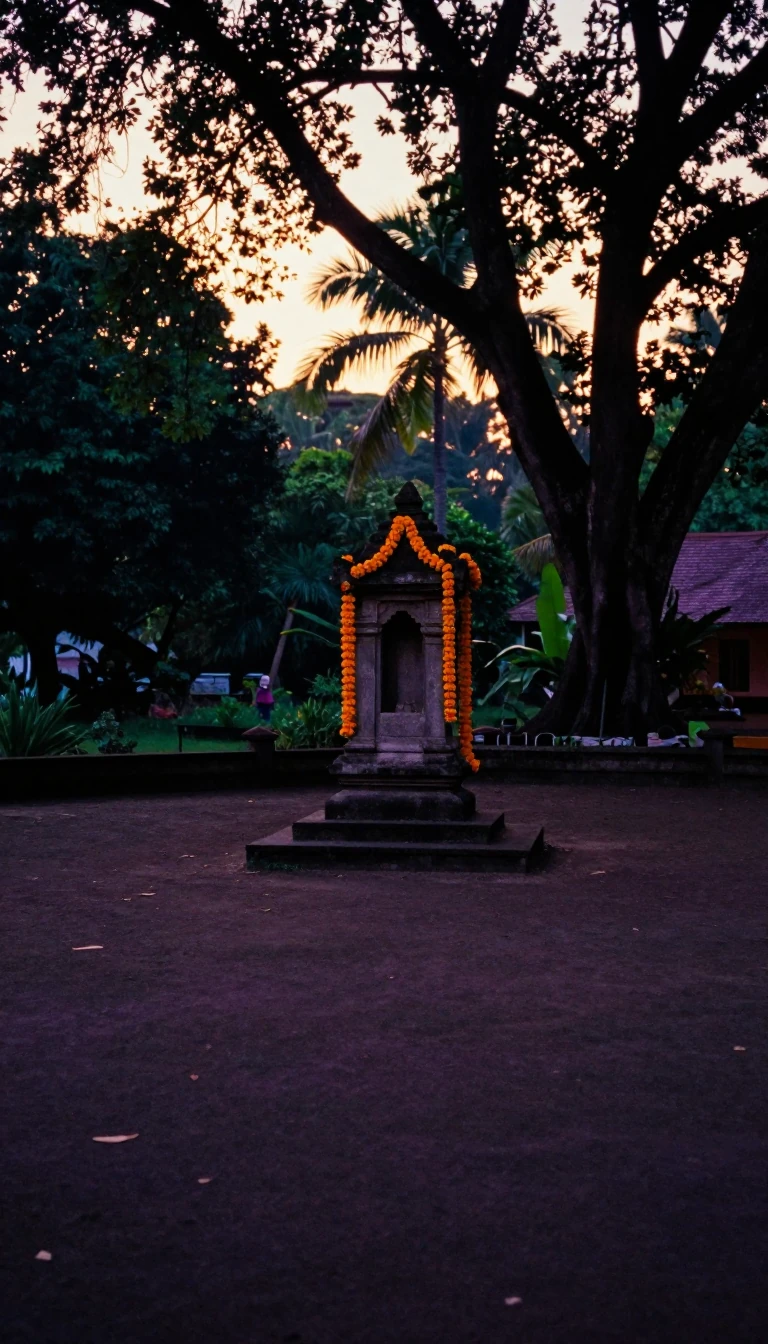
In short: Long before Jakarta became a sprawling metropolis, the Tarumanagara kingdom dominated western Java. Known for its sophisticated hydraulic engineering and early Hindu influence, this ancient power left behind mysterious stone inscriptions that were forgotten by locals for centuries until archaeologists finally deciphered them in the late 19th century.
Tarumanagara, believed to have existed between 358 and 669 CE, was an early Indianised kingdom centered in the region now known as Greater Jakarta, Bogor, and Bekasi. Its historical existence is primarily reconstructed from seven stone inscriptions, or prasasti, discovered near Bogor and Jakarta. These records, written in Sanskrit using Vengi letters, provide the earliest evidence of Hinduism in the western archipelago. The kingdom’s most famous ruler, Purnawarman, is frequently mentioned in these texts, which equate his authority with divine figures like Vishnu, Indra, and Surya.
The kingdom’s strategic location near the Sunda Strait allowed it to control vital trade routes connecting India, China, and Sumatra. Chinese chronicles from the Sui and Tang dynasties confirm that Tarumanagara maintained active diplomatic and trade relations, exchanging envoys with the Chinese court throughout the 6th and 7th centuries. Beyond trade, the kingdom was a center of advanced infrastructure; the Tugu inscription details how Purnawarman commissioned massive canal projects, such as the Gomati and Chandrabhaga, to manage flooding and transform coastal areas into productive agricultural land.
While Hinduism was the dominant faith among the ruling elite, archaeological evidence from the Batujaya complex—featuring brick temples and Buddhist votive tablets—confirms that Buddhism was also practiced. Despite its significance, Tarumanagara faded from local memory, unlike its successor, the Sunda kingdom. Its decline is linked to the 7th-century rise of the Srivijaya empire, which likely launched a naval invasion around 686 CE. Following this defeat, the remnants of the Tarumanagara court moved inland to Bogor, eventually evolving into the Sunda kingdom. Today, the legacy of Tarumanagara persists not only in archaeological sites but also in the etymology of local geography, such as the city of Bekasi, which historians believe derives from the ancient name Chandrabhaga.
Opens the Intellect+ feed with this card first. Swipe up for the next one.
Sources
- Summary by Intellect · source: Tarumanagara
To cite this card, link to https://intellectplus.co.uk/app/history-tarumanagara.
How we source, check and correct cards: Editorial standards.
General information, not professional advice. Spotted an error? Flag the card or see corrections and complaints.
Intellect Plus is a visual educational discovery platform for exploring fascinating facts and ideas. Brain Food, Not Brain Rot. What is Intellect Plus?
Related
More in Ancient · More in History · Latest · A–Z · All topics
