The bronze guardian of Crete was never explicitly described as a giant in antiquity
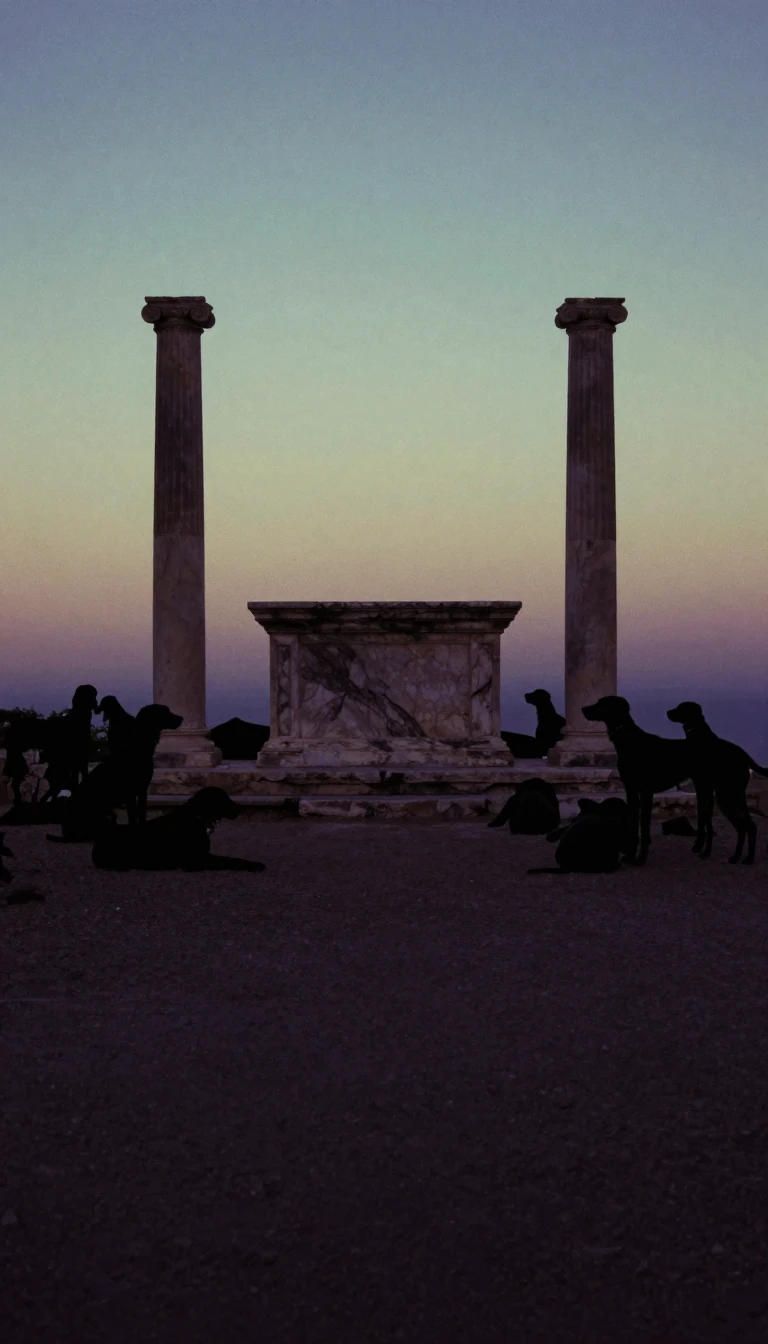
In short: Talos, the bronze protector of Crete, is often imagined as a towering mechanical giant. Yet, ancient sources offer no such description. Instead, they present a shifting figure—sometimes a man, sometimes a bull, and occasionally a law-bearing traveler—whose mythic death remains as varied as his origins.
In Greek mythology, Talos served as the guardian of Crete, tasked by Zeus to protect the island from invaders. The most famous account, found in the Argonautica by Apollonius of Rhodes, depicts him as a bronze being who hurled boulders at the Argo. Despite his reputation, the idea of him as a giant is a modern misconception; ancient texts never explicitly label him as such. Apollonius uses a metaphor comparing his death to a falling pine tree, which may have inspired later interpretations of his scale.
The traditions surrounding Talos are remarkably inconsistent. Pseudo-Apollodorus records conflicting theories: he was either a product of the Race of Bronze or a creation of Hephaestus. His form is equally debated, with some accounts describing him as a man and others as a bull. His death is similarly contested; while many versions involve Medea tricking him into draining his life-sustaining ichor by removing a bronze nail from his ankle, others suggest he was killed by the Argonaut Poeas with an arrow.
Beyond his role as a sentinel, Talos appears in diverse, often contradictory, contexts. Some sources link him to Sardinia, where he allegedly executed victims by jumping into flames while holding them. Others, such as the pseudo-Platonic dialogue Minos, offer a rationalized, euhemeristic view: Talos was merely a man who traveled Crete to display the city's laws inscribed on bronze tablets. Artistic depictions, such as those on 400 BCE kraters, consistently emphasize his vulnerability at the ankle, often featuring the death-spirit Thanatos, yet they reveal no consensus on his true nature or his ultimate purpose in the Cretan mythos.
Opens the Intellect+ feed with this card first. Swipe up for the next one.
Sources
- Summary by Intellect · source: Talos
To cite this card, link to https://intellectplus.co.uk/app/history-talos.
How we source, check and correct cards: Editorial standards.
General information, not professional advice. Spotted an error? Flag the card or see corrections and complaints.
Intellect Plus is a visual educational discovery platform for exploring fascinating facts and ideas. Brain Food, Not Brain Rot. What is Intellect Plus?
Related
More in History by country · More in History · Latest · A–Z · All topics
