Ancient Greeks imagined three distinct types of Cyclopes, from divine smiths to man-eating giants.
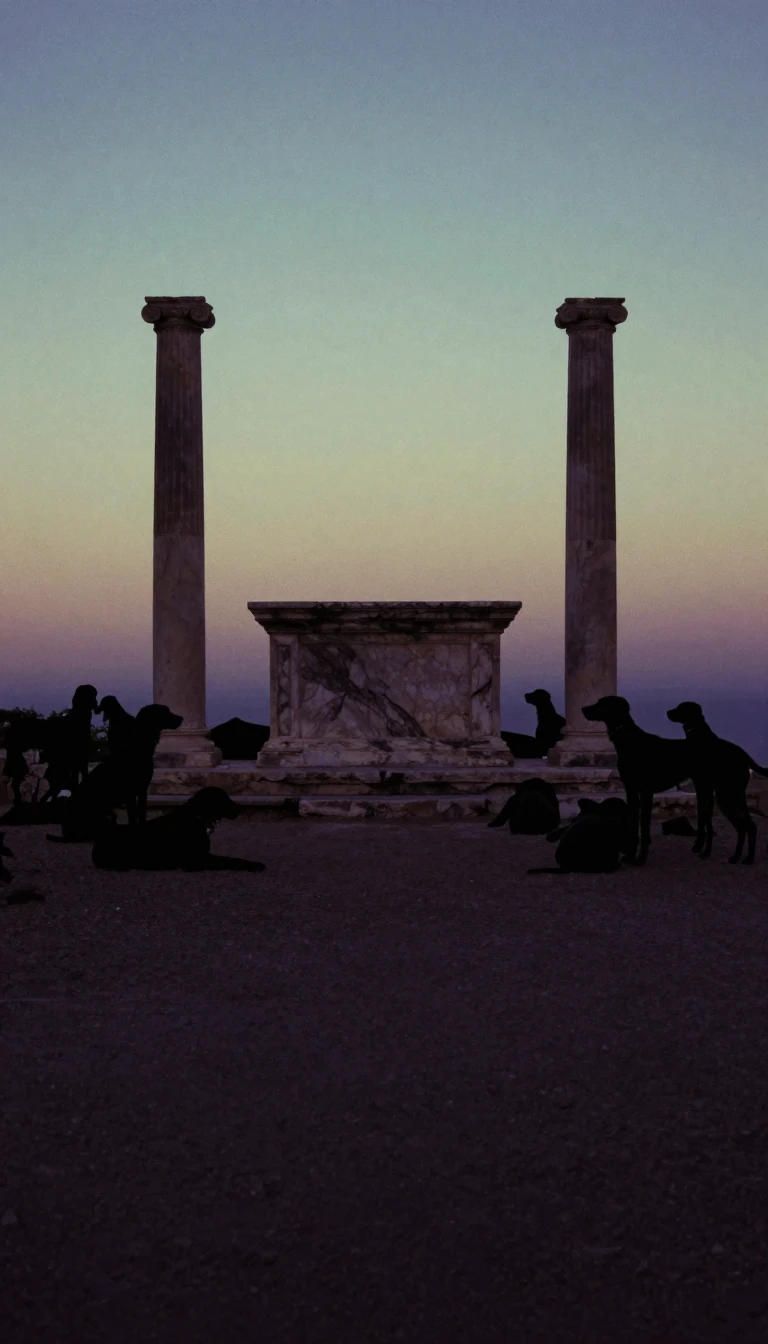
In short: The one-eyed giant of myth is not a single character, but a triple-layered archetype. Ancient writers distinguished between celestial thunderbolt-forgers, lawless cave-dwelling shepherds, and master builders of massive stone walls. These figures evolved over centuries, shifting from primordial allies of Zeus to terrifying monsters lurking in the shadows of Sicily.
In the earliest Greek tradition, Hesiod’s Theogony (c. 700 BC) introduces the primordial Cyclopes: Brontes, Steropes, and Arges. These three brothers, sons of Uranus and Gaia, were essential to the cosmic order. Imprisoned by their father, they were eventually freed by Zeus, whom they repaid by crafting his signature thunderbolt. These divine smiths were not merely monsters; they were skilled artisans whose strength and contrivances were vital to the gods' victory over the Titans. Later poets, including Callimachus and Virgil, reimagined these figures as assistants to the smith-god Hephaestus, laboring in volcanic forges beneath Mount Etna and the Aeolian Islands.
A starkly different image emerges in Homer’s Odyssey (c. 700 BC), which presents the Cyclopes as uncivilized, lawless shepherds. Unlike the divine craftsmen, these beings live in the 'world of men' on a remote island, lacking agriculture, ships, and social structures. Polyphemus, the most famous of this group, is a man-eating giant and son of Poseidon. While Homer remains vague about the appearance of Polyphemus’s kin, later writers like Euripides explicitly describe them as one-eyed sons of the sea god who reject the sacred Greek value of hospitality, preferring to slaughter and consume any strangers who stumble into their caves.
The third group, the Cyclopean wall-builders, bridges the gap between myth and architectural reality. Ancient Greeks attributed the massive, 'heaven-high' stone fortifications of Mycenae and Tiryns to these beings, as the stones appeared too heavy for ordinary humans to move. By the fifth century BC, these builders were celebrated as master masons. Whether viewed as divine smiths, savage shepherds, or legendary architects, the Cyclopes served as a versatile mythological tool, used to explain the origins of divine weaponry, the dangers of the uncivilized wild, and the impossible feats of ancient engineering.
Opens the Intellect+ feed with this card first. Swipe up for the next one.
Sources
- Summary by Intellect · source: Cyclopes
To cite this card, link to https://intellectplus.co.uk/app/ideas-cyclopes.
How we source, check and correct cards: Editorial standards.
General information, not professional advice. Spotted an error? Flag the card or see corrections and complaints.
Intellect Plus is a visual educational discovery platform for exploring fascinating facts and ideas. Brain Food, Not Brain Rot. What is Intellect Plus?
Related
More in Mythology · More in Ideas & Philosophy · Latest · A–Z · All topics
