Ancient Israel’s industrial apiaries reveal a sophisticated honey trade 3,000 years ago
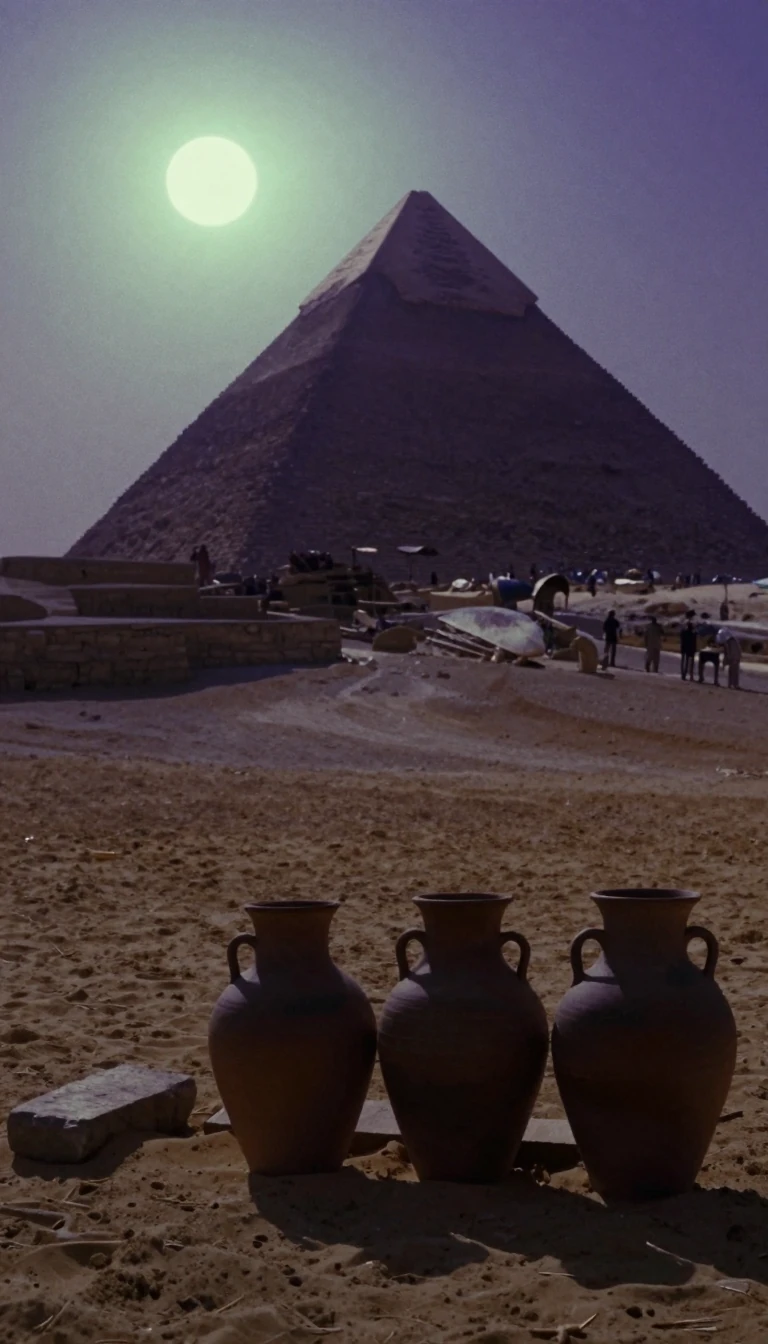
In short: Archaeologists at Tel Rehov discovered the world’s oldest known apiary, featuring hundreds of clay beehives from the 10th century BCE. DNA analysis suggests these ancient residents imported specialized, high-yield bees from Turkey, proving that commercial honey production was a highly organized, international industry long before modern agricultural practices took hold.
Tel Rehov, located in Israel’s Bet She’an Valley, served as a significant urban center during the Bronze and Iron Ages. Excavations led by Amihai Mazar between 1997 and 2012 revealed a complex history, including a massive Iron Age city that housed approximately 2,000 residents. The site’s strategic importance is highlighted by its mention in Egyptian records and the conquests of Pharaoh Shoshenq I around 925 BCE.
The most striking discovery at the site is an extensive apiary dating to the mid-10th through early 9th century BCE. Researchers unearthed 30 intact beehives and evidence of 100 to 200 more, arranged in orderly rows. These cylindrical, straw-and-clay structures were designed with a small entrance for bees, challenging the long-held assumption that biblical references to 'honey' referred only to fruit-based syrups. DNA testing of bee remains indicates the inhabitants imported a subspecies similar to the Anatolian bee, which was less aggressive and produced three to eight times more honey than local varieties.
Beyond its agricultural prowess, Tel Rehov is central to the Levant's chronological debates. The site contains stratified Greek pottery and extensive radiocarbon data, which scholars use to navigate the complex 'High' versus 'Low' chronology of the Iron Age. While some findings, such as a 2013 potsherd bearing a name reconstructed as 'Elisha,' invite speculation about biblical connections, the presence of fertility-focused altars alongside the beehives suggests a nuanced religious life that often complicates simple historical narratives.
The site’s legacy extends into the Byzantine period, where a nearby Jewish town maintained the name 'Rohob.' This later settlement left behind the 'Mosaic of Rehob,' a vital archaeological artifact detailing religious laws regarding the Land of Israel. Today, the findings from Tel Rehov—from its commercial beekeeping to its complex stratigraphy—continue to provide a rare, tangible glimpse into the economic and cultural life of the ancient Near East.
Opens the Intellect+ feed with this card first. Swipe up for the next one.
Sources
- Summary by Intellect · source: Tel Rehov
To cite this card, link to https://intellectplus.co.uk/app/history-tel-rehov.
How we source, check and correct cards: Editorial standards.
General information, not professional advice. Spotted an error? Flag the card or see corrections and complaints.
Intellect Plus is a visual educational discovery platform for exploring fascinating facts and ideas. Brain Food, Not Brain Rot. What is Intellect Plus?
Related
More in Modern · More in History · Latest · A–Z · All topics
