How a malarial swamp became the agricultural heart of northern Israel
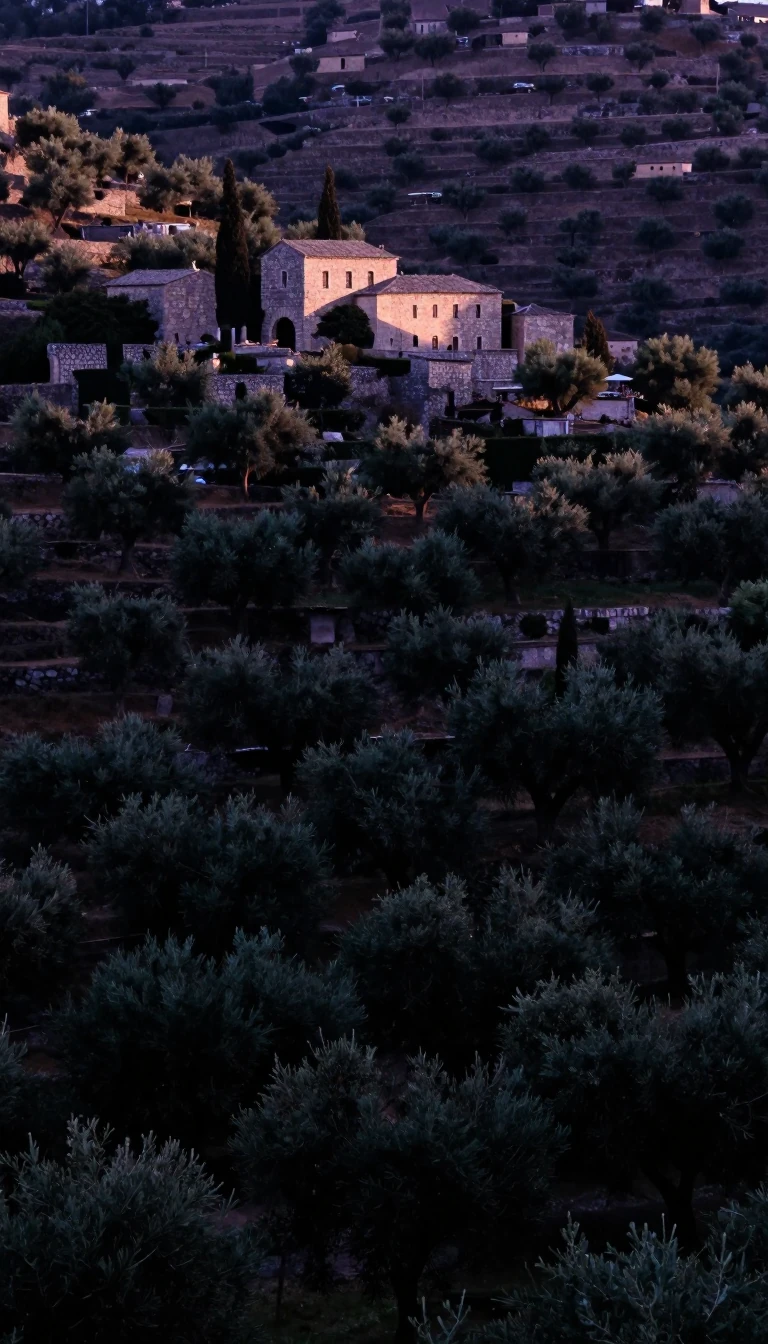
In short: For centuries, the Hula Valley was a desolate, mosquito-ridden marshland surrounding a shallow lake. In the 1950s, a massive engineering project drained the waters to create fertile farmland. Today, the region is a vital crossroads for migratory birds and a cautionary tale about the unintended consequences of environmental modification.
Located in northeastern Israel, the Hula Valley stretches along the upper path of the Jordan River. Historically, the area was defined by its low gradient, which trapped water and created vast swamps and the former Lake Hula. For generations, this environment was a breeding ground for malaria, limiting human settlement to small groups of villagers who harvested papyrus for weaving. While the region was once a rich hunting ground teeming with wild boar and water buffalo, it remained largely undeveloped until the 20th century.
The landscape changed dramatically in 1934 when the Palestine Land Development Company purchased the southern portion of the valley. Following the establishment of numerous communal settlements, a major reclamation project began in 1951. Engineers blasted away a basalt dike at the northern edge of the Sea of Galilee and constructed over 25 miles of canals to redirect the Jordan River. By 1958, the lake and its surrounding marshes had largely vanished, replaced by fields of cotton, peanuts, fruits, and grains. The planned city of Qiryat Shemona was later built to support the region's new industrial and urban needs.
The project’s success was short-lived in its original form. By the early 1990s, the region faced severe environmental setbacks, including a significant drop in groundwater levels that rendered some of the newly created farmland unusable. These unforeseen issues forced a shift in strategy, leading to efforts to restore parts of the valley to their natural wetland state. Today, the area serves as a critical stopover for millions of birds migrating between Africa, Europe, and Asia, highlighting the complex balance between human agricultural ambition and the preservation of ancient ecosystems.
Opens the Intellect+ feed with this card first. Swipe up for the next one.
Sources
- Summary by Intellect · source: Hula Valley | History, Description, & Wetlands | Britannica
- Also: Hula Valley
To cite this card, link to https://intellectplus.co.uk/app/places-hula-valley.
How we source, check and correct cards: Editorial standards.
General information, not professional advice. Spotted an error? Flag the card or see corrections and complaints.
Intellect Plus is a visual educational discovery platform for exploring fascinating facts and ideas. Brain Food, Not Brain Rot. What is Intellect Plus?
Related
More in Basics · More in Countries & Cities · Latest · A–Z · All topics
