The ancient cradle where Alexander the Great’s horse was born
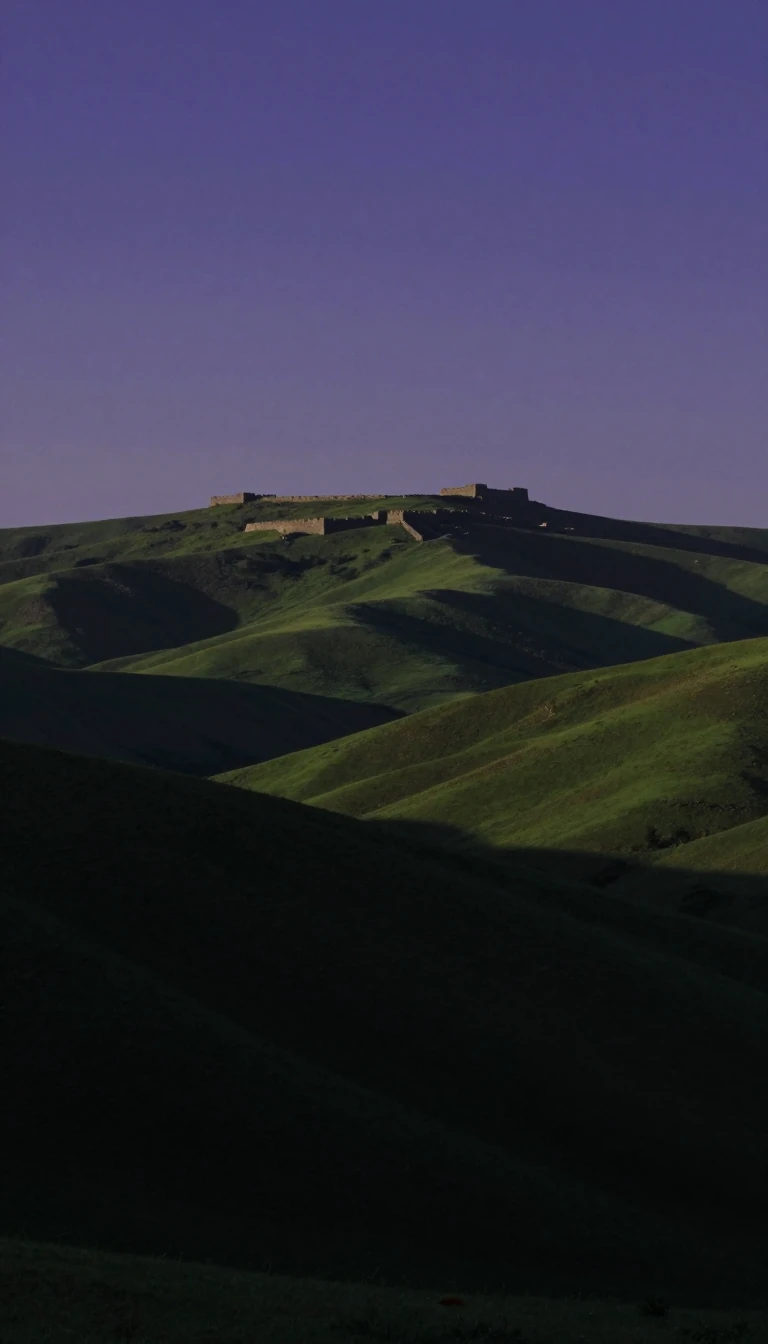
In short: Before it was a modern Greek region, Thessaly was the strategic heart of antiquity. From providing the legendary cavalry for Alexander the Great to hosting the mythological battle between Titans and Olympians, this land has served as both a military powerhouse and a crossroads of empires.
Thessaly's identity is rooted in deep antiquity, with its name likely predating Greek presence. Linguists suggest it may derive from a Pre-Greek form, *Kʷʰeťťal-, while its ancient inhabitants were known as the Thessaloi. In Homeric tradition, the region was called Aeolia—the kingdom of Aeolus—and served as a primary setting for the Odyssey. It is also famously cited in mythology as the site where the Titans fought the Olympians and where Jason and the Argonauts began their quest for the Golden Fleece.
The region's military significance became undeniable during the Hellenistic era. In the 4th century BC, Jason of Pherae revitalized its power, leading to a period where Thessalian cavalry was essential to Alexander the Great’s conquests at Issus and Gaugamela. Notably, his famous horse, Bucephalus, hailed from this region. However, this strategic importance often made it a target; in 480 BC, the Persians invaded, briefly seizing control before being defeated at Plataea the following year.
The medieval history of Thessaly is a complex tapestry of migration and shifting sovereignty. Following the Byzantine era, the region saw significant Slavic settlement and subsequent 're-Hellenization' efforts by emperors like Nicephorus I in the 8th century. It later became a site of intense competition between Frankish crusaders, independent despotates, and Serbian empires. By the late 14th century, the region was a mosaic of influences, including Albanian mercenary tribes and Catalan companies, before eventually falling under Ottoman rule in the late 1300s.
Today, Thessaly is one of Greece's 13 administrative regions, with its capital at Larissa. It remains a vital geographic link between Macedonia, Epirus, and Central Greece, preserving a legacy that spans from Neolithic cultures to the sophisticated military structures of the late Middle Ages.
Opens the Intellect+ feed with this card first. Swipe up for the next one.
Sources
- Summary by Intellect · source: Thessaly
To cite this card, link to https://intellectplus.co.uk/app/history-thessaly.
How we source, check and correct cards: Editorial standards.
General information, not professional advice. Spotted an error? Flag the card or see corrections and complaints.
Intellect Plus is a visual educational discovery platform for exploring fascinating facts and ideas. Brain Food, Not Brain Rot. What is Intellect Plus?
Related
More in Modern · More in History · Latest · A–Z · All topics
