The rugged frontier that once challenged the might of Rome and Macedonia
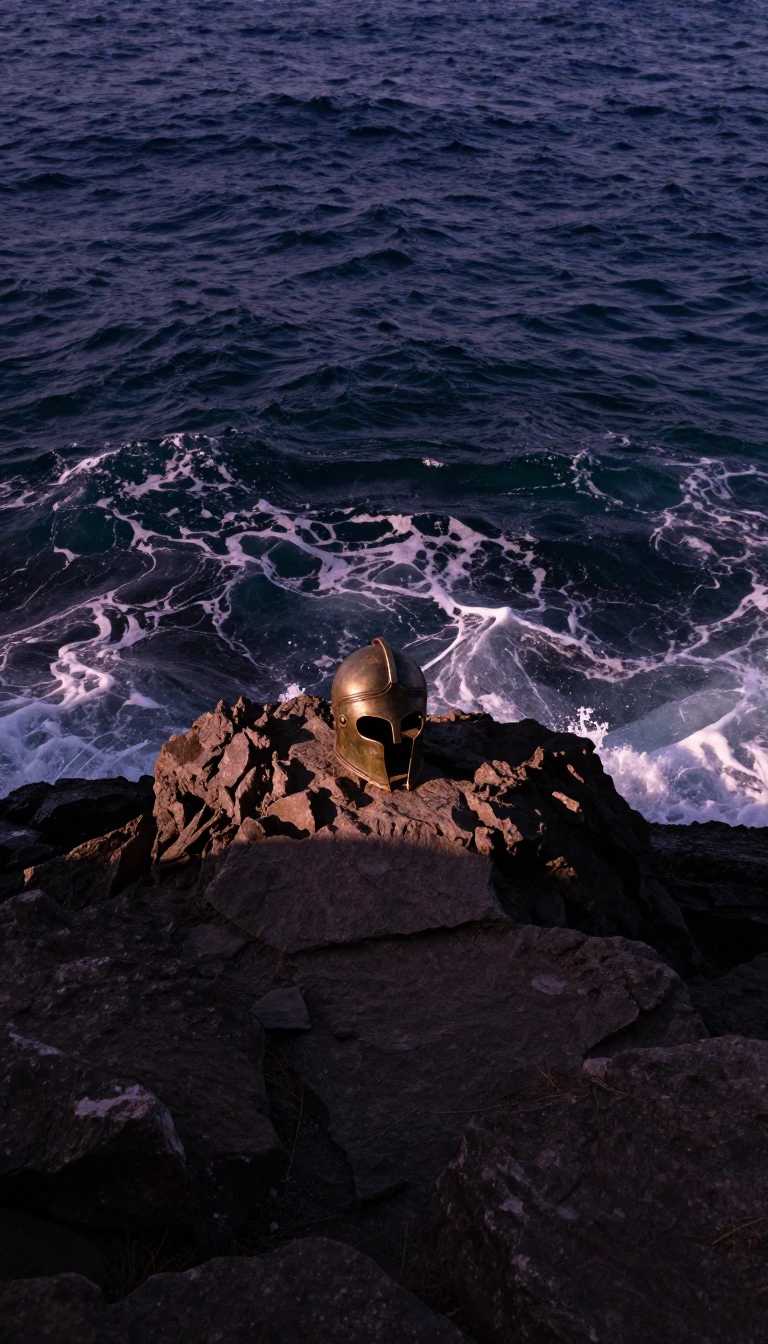
In short: From the shadow of the Pindus Mountains to the shores of the Ionian Sea, Epirus has always been a land of extremes. Once dismissed as a barbarian periphery, this mountainous region became the staging ground for kings and the home of ancient oracles.
The geography of Epirus is defined by steep limestone ridges that rise up to 8,600 feet, particularly the Pindus Mountains which separate the region from Macedonia and Thessaly. Because much of the territory sits on the windward side of these mountains, it receives more rainfall than any other part of mainland Greece. This high precipitation, combined with rugged terrain, has historically limited agriculture; while the north sees more cereal production, much of the land is restricted to pasture for sheep and goats.
Historically, the region was a mosaic of Greek-speaking tribes, including the Molossi, Thesproti, and Chaones. Unlike the organized city-states of the classical Greek world, these groups often lived in small village clusters. By the 5th century BCE, the historian Thucydides even categorized the Epirotes as "barbarians." However, the region held immense spiritual significance, hosting the Oracle of Zeus at Dodona and the Oracle of the Dead on the Acheron River, a site central to Homer’s Odyssey.
The political landscape shifted dramatically through various empires and conflicts. The Aeacidae, a branch of the Molossian royal house, expanded their influence through strategic marriages, such as that of Olympias to Philip II of Macedon. Later, the Molossian king Pyrrhus (319–272 BCE) brought prosperity through his military campaigns. Following the decline of the Aeacid monarchy in 232 BCE, the region transitioned into a federal state known as the Epirote League. After the Roman conquest and the subsequent division of the Empire in 395 CE, Epirus became the westernmost province of the Eastern Empire.
In the modern era, the region's borders have been shaped by significant upheaval, including the Ottoman annexation in 1430 and the various conflicts surrounding the Greek War of Independence. Today, the Greek portion of Epirus is organized into four regional units: Thesprotia, Ioánnina, Árta, and Préveza.
Opens the Intellect+ feed with this card first. Swipe up for the next one.
Sources
- Summary by Intellect · source: Epirus | Greece & Albania History | Britannica
- Also: Epirus (region)
To cite this card, link to https://intellectplus.co.uk/app/places-epirus-region.
How we source, check and correct cards: Editorial standards.
General information, not professional advice. Spotted an error? Flag the card or see corrections and complaints.
Intellect Plus is a visual educational discovery platform for exploring fascinating facts and ideas. Brain Food, Not Brain Rot. What is Intellect Plus?
Related
More in Regions and country subdivisions · More in Countries & Cities · Latest · A–Z · All topics
