Why the most famous tomb in Egyptology was likely never meant for a king
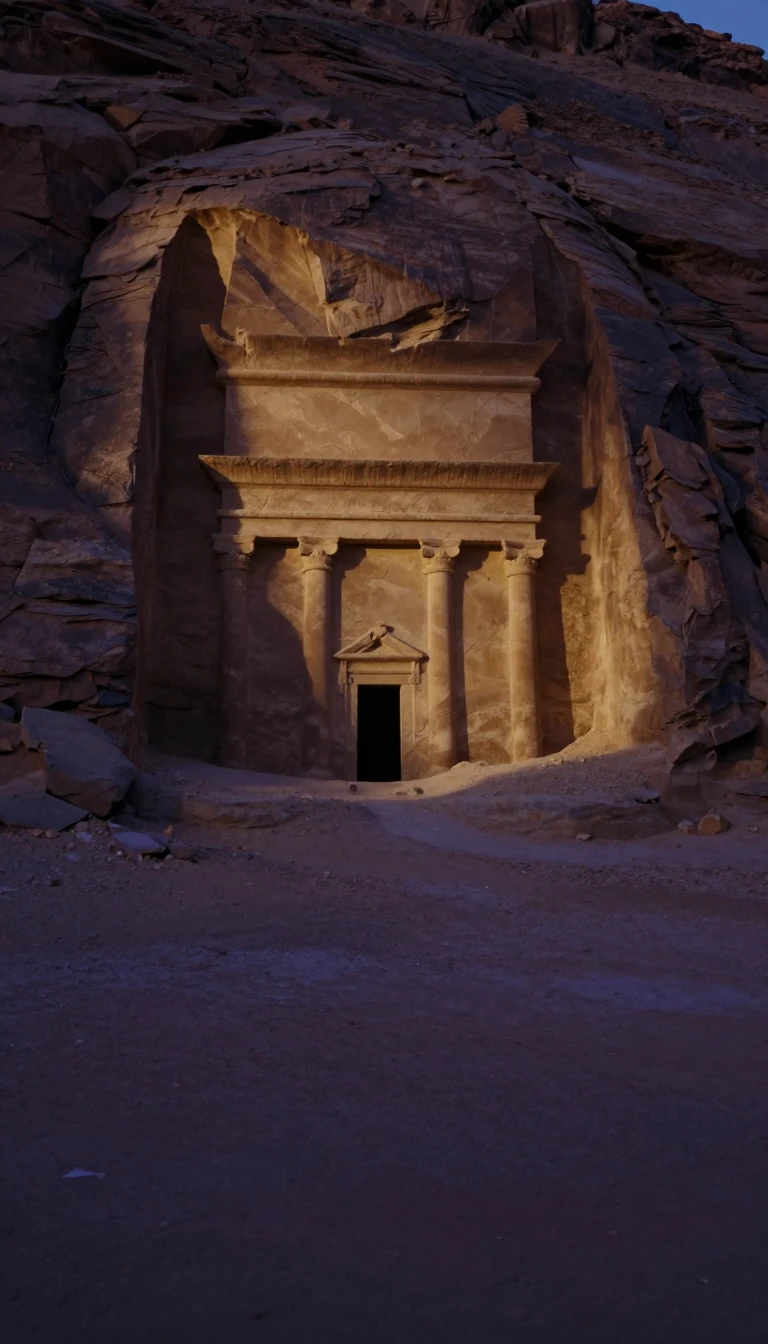
In short: Tutankhamun’s tomb, KV62, is an anomaly in the Valley of the Kings. Smaller than other royal burials and sparsely decorated, it was likely a non-royal tomb—possibly intended for his advisor Ay—that was hastily repurposed after the young pharaoh’s premature death. Its survival, however, remains a stroke of historical luck.
Tutankhamun reigned during the late Eighteenth Dynasty, roughly 1334 to 1325 BC. His tomb, discovered by Howard Carter and Lord Carnarvon in 1922, was uniquely preserved because its low position in the valley floor allowed it to be buried by debris from later construction and periodic flooding. While other royal tombs were systematically stripped of valuables during the Third Intermediate Period, KV62 remained hidden and largely undisturbed, despite being breached by robbers twice shortly after the burial.
The tomb’s layout reflects its hurried adaptation. Unlike the conventional bent-axis designs of the era, which turned left, KV62 turns right. It consists of four chambers: an antechamber, an annexe, a burial chamber, and a treasury. The burial chamber and treasury were likely added to the original structure to accommodate the king. The decorative program is equally unusual; only the burial chamber features wall paintings, and these were executed without the relief carving typical of the period. The north wall depicts Ay performing the Opening of the Mouth ritual, a clear attempt to legitimize his own succession by positioning himself as the heir to the deceased pharaoh.
The sheer density of the burial goods—numbering 5,398 objects—created a sensation known as 'Tutmania.' From chariots and weaponry in the annexe to the gilded throne in the antechamber, the items provide an unprecedented view of New Kingdom material culture. Yet, the tomb was far from pristine upon discovery. Moisture had dissolved leather into pitch and reduced textiles to black powder, while ancient restoration efforts left the chambers in disarray. Even after its discovery, the tomb faced threats from tourist traffic and water seepage, leading to the construction of a replica in 2014 to preserve the original site.
Controversy continues to surround the tomb’s architecture. In 2015, Egyptologist Nicholas Reeves proposed that plaster partitions in the burial chamber concealed hidden rooms, potentially belonging to Nefertiti. While radar scans in 2016 and 2018 found no such voids, a 2026 study using microgravity measurements has reignited the debate, suggesting that the mystery of what lies behind the walls of KV62 may not yet be fully solved.
Opens the Intellect+ feed with this card first. Swipe up for the next one.
Sources
- Summary by Intellect · source: Tomb of Tutankhamun
To cite this card, link to https://intellectplus.co.uk/app/history-tomb-of-tutankhamun.
How we source, check and correct cards: Editorial standards.
General information, not professional advice. Spotted an error? Flag the card or see corrections and complaints.
Intellect Plus is a visual educational discovery platform for exploring fascinating facts and ideas. Brain Food, Not Brain Rot. What is Intellect Plus?
Related
More in Ancient · More in History · Latest · A–Z · All topics
