Why three great Indian dynasties fought for decades over a single city throne
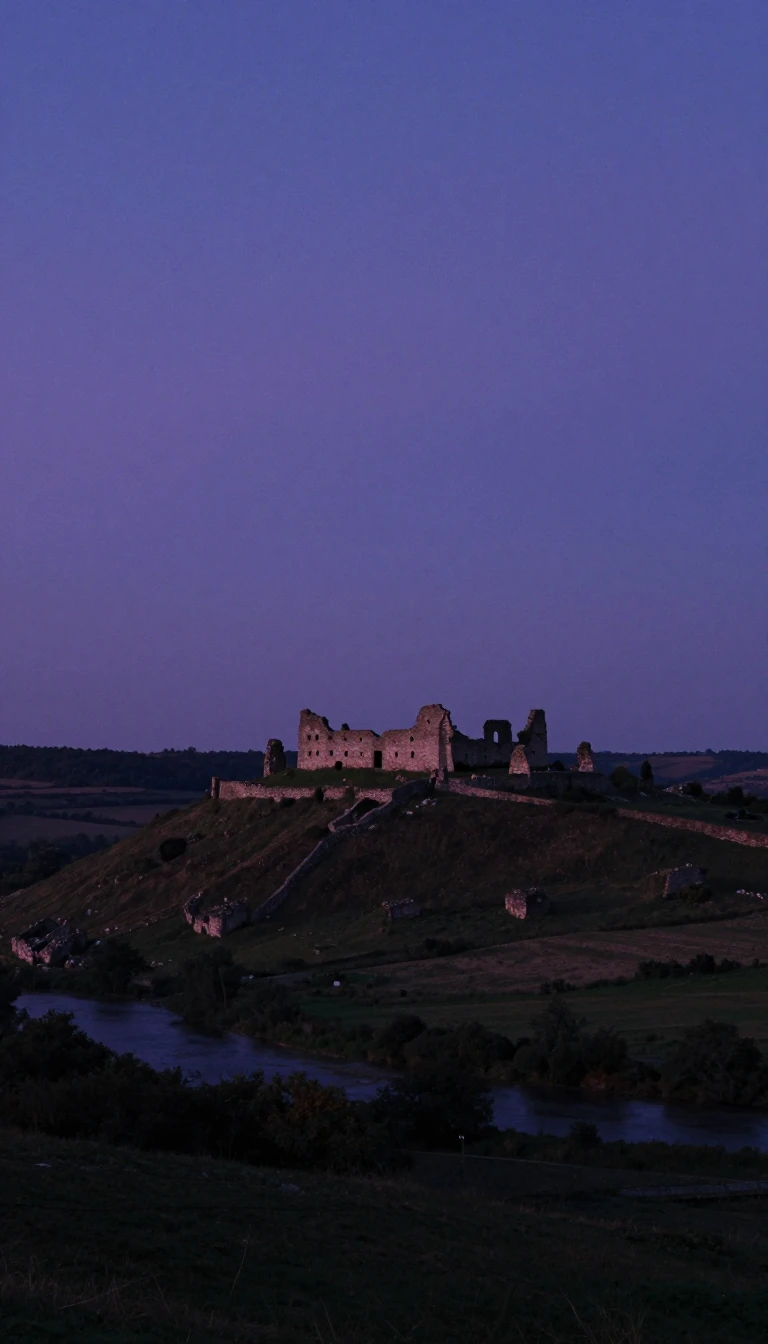
In short: Between 785 and 816, the Gurjara-Pratiharas, the Palas, and the Rashtrakutas engaged in a brutal power struggle. The prize was Kannauj, a city whose control signified imperial dominance over northern India. This conflict, often called the Tripartite Struggle, reshaped the political landscape of the subcontinent through shifting alliances and invasions.
The struggle for Kannauj was rooted in the decline of the Pushyabhuti dynasty, which had previously unified much of northern India under Harshavardhana. By the eighth century, the vacuum left by this collapse invited competition between the Gurjara-Pratiharas in the west and the Palas of Bengal in the east. The Rashtrakutas, a powerful dynasty based in the Deccan, frequently intervened to prevent either northern power from achieving total hegemony, effectively turning the conflict into a four-way struggle when including the local Ayudha rulers.
Early hostilities were driven by the ambitions of Vatsaraja of the Pratiharas and Dharmapala of the Palas. Vatsaraja initially seized Kannauj, but his victory was short-lived; the Rashtrakuta king Dhruva defeated him while he was returning home. Dhruva’s intervention was characteristic of the era’s shifting dynamics, as he sought to raid and weaken northern rivals rather than occupy territory permanently. This pattern of opportunistic invasion and vassalage defined the era, with rulers like Dharmapala later installing his own puppet, Chakrayudha, on the Kannauj throne.
The conflict reached its climax under Nagabhata II, who succeeded Vatsaraja. After surviving a devastating northern campaign by the Rashtrakuta king Govinda III, Nagabhata II seized Kannauj in 816, ending Ayudha rule. He subsequently defeated Dharmapala at the Battle of Monghyr, securing the city as his capital and adopting the title Paramabhattaraka. This decisive victory effectively concluded the decades-long struggle, cementing Pratihara dominance in the region.
Historians note that the rivalry between the Pratiharas and Rashtrakutas predated the Kannauj conflict, rooted in a contested frontier across Gujarat and Malwa. Epigraphical evidence, such as the Dashavatara Temple inscription, suggests the Rashtrakutas had established superiority over the Pratiharas as early as the reign of Dantidurga. These deep-seated regional tensions, combined with the prestige associated with the Kannauj throne, ensured that the struggle remained a defining feature of post-classical Indian politics for nearly half a century.
Opens the Intellect+ feed with this card first. Swipe up for the next one.
Sources
- Summary by Intellect · source: Tripartite Struggle
To cite this card, link to https://intellectplus.co.uk/app/history-tripartite-struggle.
How we source, check and correct cards: Editorial standards.
General information, not professional advice. Spotted an error? Flag the card or see corrections and complaints.
Intellect Plus is a visual educational discovery platform for exploring fascinating facts and ideas. Brain Food, Not Brain Rot. What is Intellect Plus?
Related
More in Post-classical · More in History · Latest · A–Z · All topics
