The silent protest that transformed the American national anthem
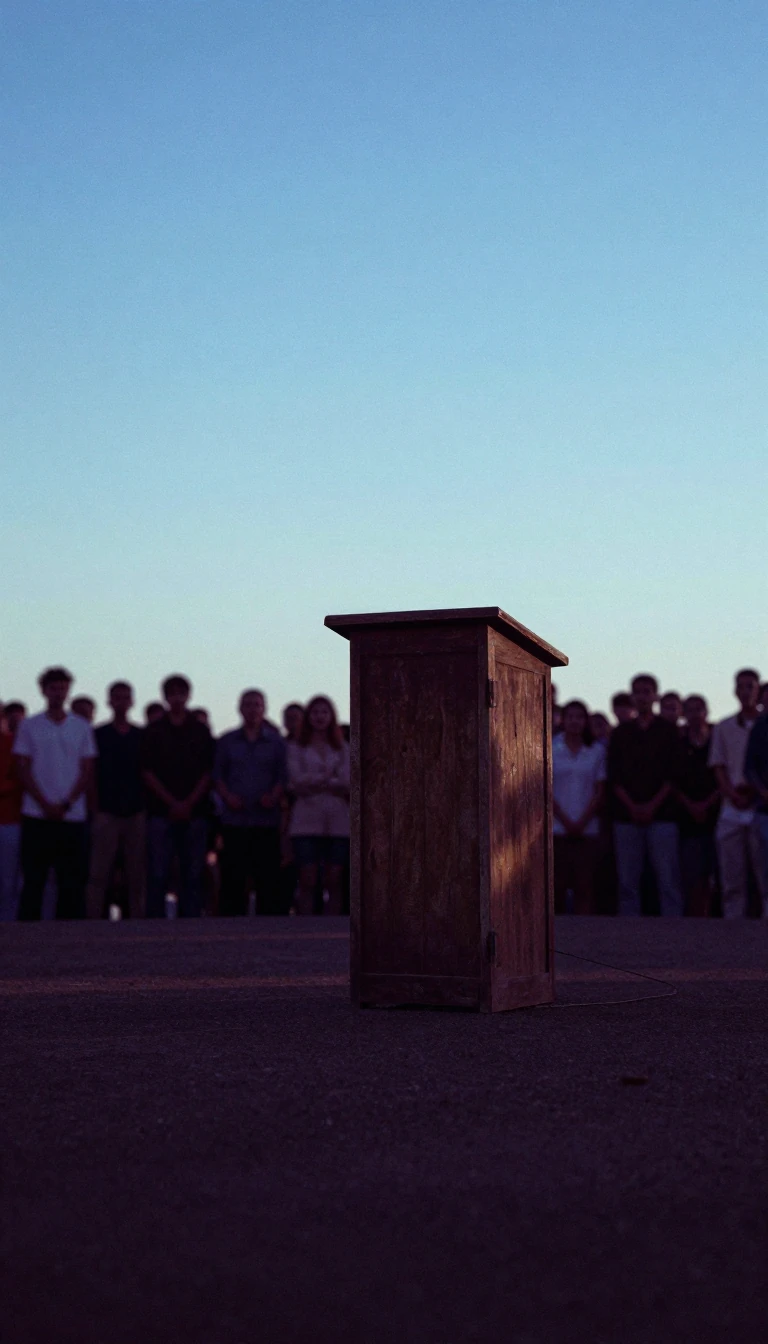
In short: In 2016, a single gesture during the national anthem ignited a global firestorm. What began as a quarterback sitting on the sidelines evolved into a widespread movement of athletes kneeling to highlight systemic racial injustice and police brutality, challenging how we perceive patriotism and the flag.
The controversy began in the 2016 NFL preseason when San Francisco 49ers quarterback Colin Kaepernick initially sat during 'The Star-Spangled Banner' before switching to kneeling. Alongside teammate Eric Reid, Kaepernick sought to draw attention to racial inequality and police brutality. Comparing the act to a flag lowered to half-mast during mourning, Reid characterised the kneeling position as an expression of respect. The decision to kneel rather than sit was influenced by Nate Boyer, a former NFL player and retired Green Beret. This shift aimed to maintain the protest as a peaceful gesture.
The movement expanded significantly in 201 and 2017. By September 2017, following criticisms from President Donald Trump, who suggested owners should fire players for disrespecting the flag, the protest became even more widespread. On September 24, 2017, in London, dozens of players from the Baltimore Ravens and Jacksonville Jaguars knelt, while other teams like the Seattle Seahawks and Tennessee Titans chose to remain in their locker rooms entirely. The backlash intensified after President Trump's September 22, 2017, comments, prompting NFL Commissioner Roger Goodell to defend the players. He argued that such divisive rhetoric failed to respect the league and its community impact.
The debate remains deeply polarized. Critics, including some fans and military veterans, view the act as disrespectful to the armed forces and the flag. Conversely, players like Cleveland Browns' Seth DeValve supported the movement, noting that while the U.S. provides great opportunity, it does not provide equal opportunity to everyone. While the intensity of the protests largely subsided by 2021, the conversation regarding the intersection of sports, social justice, and national symbols remains a defining moment in modern American culture. The anthem itself has a long history, written by Francis Scott Key during the War of 1812. Though it was a popular song for much of the 19th century, it was not officially designated as the national anthem until 1931.
Opens the Intellect+ feed with this card first. Swipe up for the next one.
Sources
- Summary by Intellect · source: National Anthem Protest | Pros, Cons, Debate, Arguments, Sports, First Amendment, Black Lives Matter, & Civil Rights | Britannica
- Also: U.S. national anthem kneeling protests
To cite this card, link to https://intellectplus.co.uk/app/history-u-s-national-anthem-kneeling-protests.
How we source, check and correct cards: Editorial standards.
General information, not professional advice. Spotted an error? Flag the card or see corrections and complaints.
Intellect Plus is a visual educational discovery platform for exploring fascinating facts and ideas. Brain Food, Not Brain Rot. What is Intellect Plus?
Related
More in Born on this day · More in History · Latest · A–Z · All topics
