The Ukrainian Soviet Socialist Republic: A Complex History of Sovereignty and State-Sponsored Terror
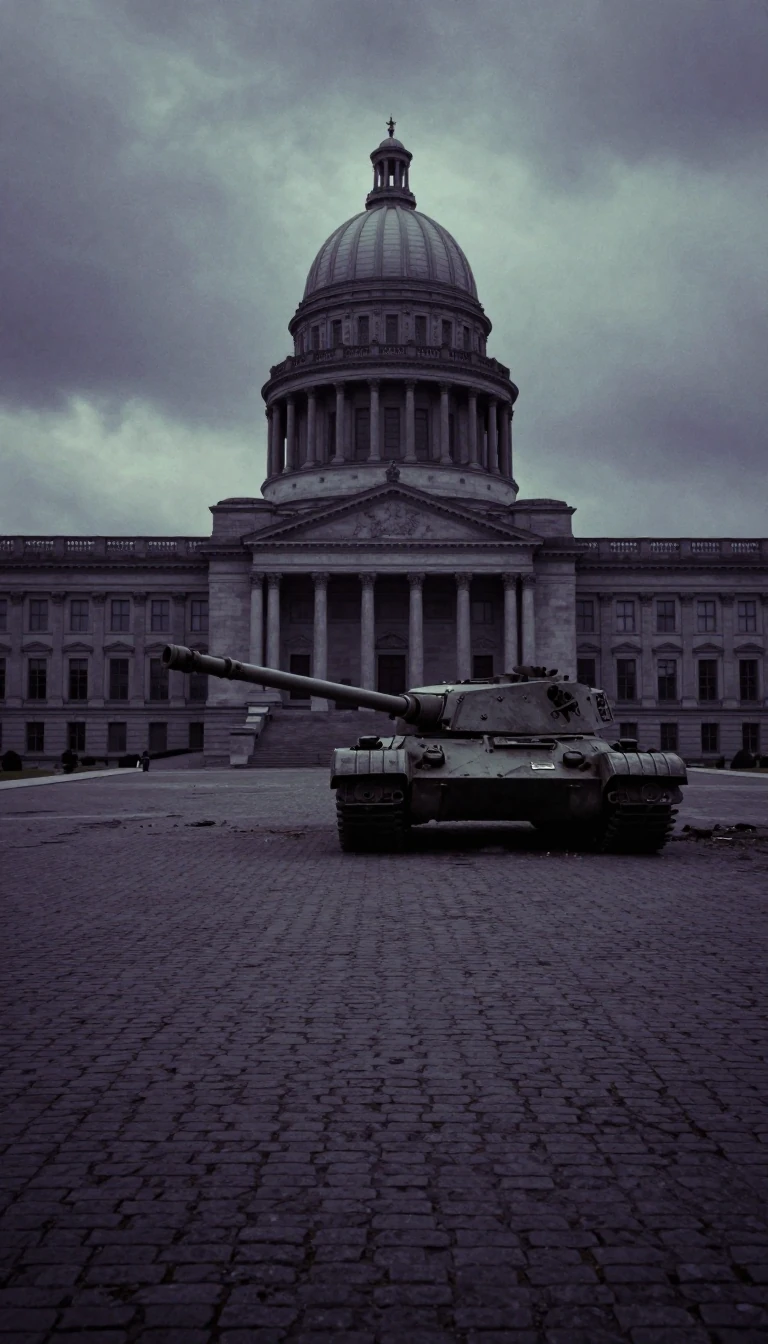
In short: From its turbulent birth during the Russian Revolution to its role as a founding United Nations member, the Ukrainian SSR existed as a paradox. It was a constituent republic of the Soviet Union that maintained a facade of national sovereignty while enduring decades of centralized control, famine, and systematic political purges.
The Ukrainian SSR emerged from the chaos of the Russian Civil War and the Ukrainian War of Independence. Following the Bolshevik defeat of the Ukrainian People's Republic, the republic was formally established and eventually became a founding member of the Soviet Union in 1922. While it possessed its own republican Communist Party, the reality was one of subordination to Moscow. By 1919, key sectors like defense, finance, and transport were already under the control of Russian commissariats, and the secret police, such as the Cheka and OGPU, operated as a state within a state to enforce central authority.
The 1920s saw a brief period of Ukrainization, a program designed to promote the Ukrainian language and culture to gain local support. However, this was abruptly halted by the early 1930s as Stalin’s regime pivoted toward aggressive collectivization and the suppression of what it termed bourgeois nationalism. This era culminated in the Holodomor, a catastrophic famine between 1932 and 1933. Driven by forced grain requisitions and the outlawing of private food movement, the famine resulted in millions of deaths. The Soviet government enforced a total blackout on the tragedy, which remained officially banned from discussion until the 1980s.
Stalinist terror further decimated the republic's leadership and intelligentsia throughout the 1930s. Through show trials and the invention of fictional counterrevolutionary organizations, the NKVD executed or imprisoned countless officials, engineers, and cultural figures. The republic’s borders were significantly altered during this period, particularly following the 1939 Molotov-Ribbentrop Pact, which facilitated the annexation of territories like Eastern Galicia and Volhynia. These regions underwent rapid, often violent, Sovietization before becoming a primary theater of conflict during the German-Soviet War in 1941, leading to massive military losses and further civilian suffering.
Opens the Intellect+ feed with this card first. Swipe up for the next one.
Sources
- Summary by Intellect · source: Ukrainian Soviet Socialist Republic
To cite this card, link to https://intellectplus.co.uk/app/history-ukrainian-soviet-socialist-republic.
How we source, check and correct cards: Editorial standards.
General information, not professional advice. Spotted an error? Flag the card or see corrections and complaints.
Intellect Plus is a visual educational discovery platform for exploring fascinating facts and ideas. Brain Food, Not Brain Rot. What is Intellect Plus?
Related
More in Empires & civilisations · More in History · Latest · A–Z · All topics
