Tuva: The remote Siberian republic that once printed stamps of trains it never had.
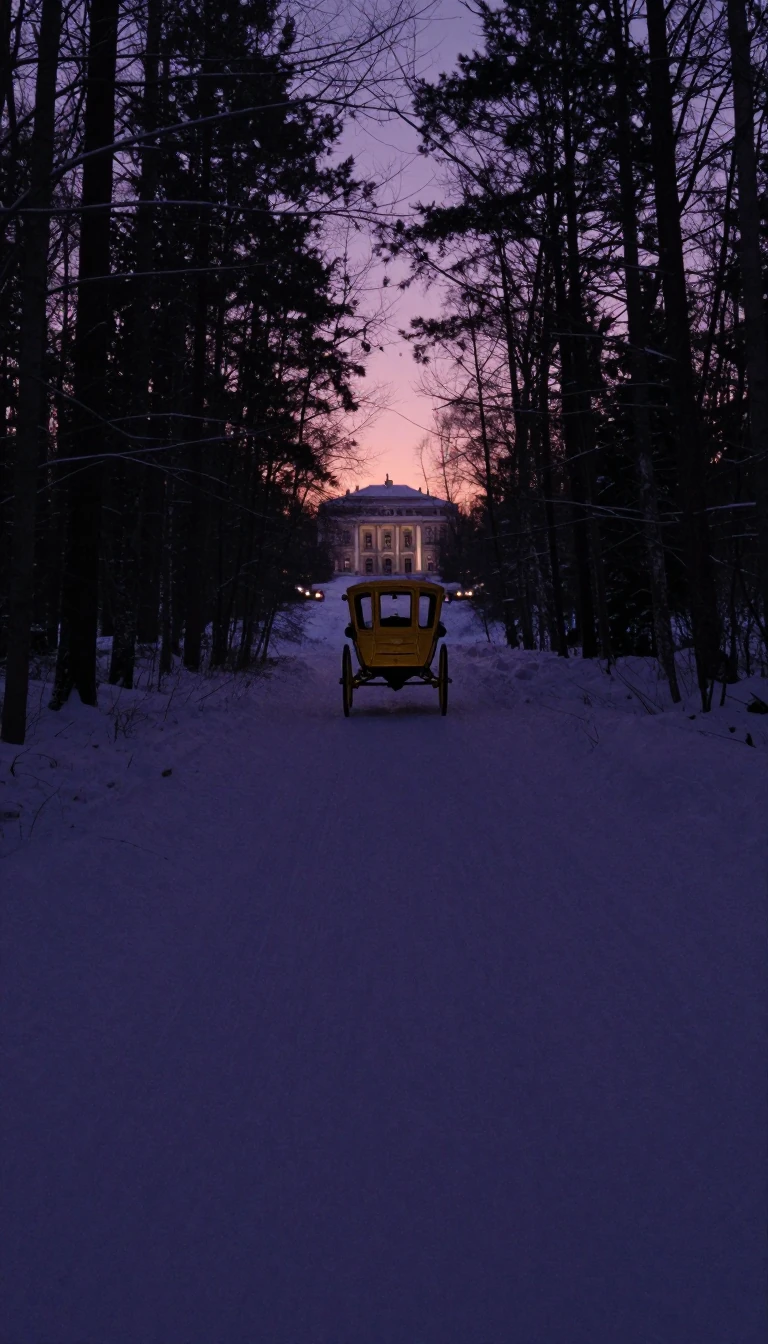
In short: Nestled at the geographical center of Asia, Tuva is a land of mountains, glaciers, and a unique history of shifting empires. Once a nominally independent state between the World Wars, this Siberian republic has navigated Chinese dynasties, Soviet annexation, and a complex cultural identity that remains distinct today.
Tuva, or Tyva, is a mountainous republic in southern Siberia, defined by the Sayan and Tannu-Ola ranges. Its territory, covering over 170,000 square kilometers, has been controlled by a succession of powers, including the Xiongnu, the Mongol Empire, and the Qing dynasty. In 1914, it became a Russian protectorate under Tsar Nicholas II, eventually transitioning into the nominally independent Tuvan People's Republic in 1921. This period of independence was marked by the curious issuance of postage stamps depicting locomotives, despite the fact that the region possessed no railways at the time.
The republic's political trajectory shifted dramatically under Soviet influence. In 1929, the Soviet Union orchestrated a coup to replace the government, and by 1944, Tuva was formally annexed into the Russian Soviet Federative Socialist Republic. This era saw the systematic suppression of Buddhist and Mongol influences, alongside the introduction of a Cyrillic alphabet. Following the dissolution of the Soviet Union in 1990, the region experienced significant social upheaval, including an exodus of ethnic Russians and the rise of nationalist movements, before signing the 1992 treaty that established it as a republic within the Russian Federation.
Today, Tuva maintains a unique cultural and religious landscape. It is one of the few Turkic groups primarily adhering to Tibetan Buddhism, a tradition that has flourished since the 13th century alongside native shamanistic practices. With a population of over 336,000, the republic remains remote and challenging to access, though infrastructure projects like the Kuragino–Kyzyl railway, scheduled for 2026, aim to bridge this isolation. Despite its integration into modern Russia, Tuva retains a distinct identity, evidenced by its official languages, its 32-member Great Khural parliament, and a demographic where ethnic Tuvans comprise nearly 89% of the population.
Opens the Intellect+ feed with this card first. Swipe up for the next one.
Sources
- Summary by Intellect · source: Tuva
To cite this card, link to https://intellectplus.co.uk/app/history-tuva.
How we source, check and correct cards: Editorial standards.
General information, not professional advice. Spotted an error? Flag the card or see corrections and complaints.
Intellect Plus is a visual educational discovery platform for exploring fascinating facts and ideas. Brain Food, Not Brain Rot. What is Intellect Plus?
Related
More in Empires & civilisations · More in History · Latest · A–Z · All topics
