British Army uniforms are colour-coded by regiment, and the colours carry history
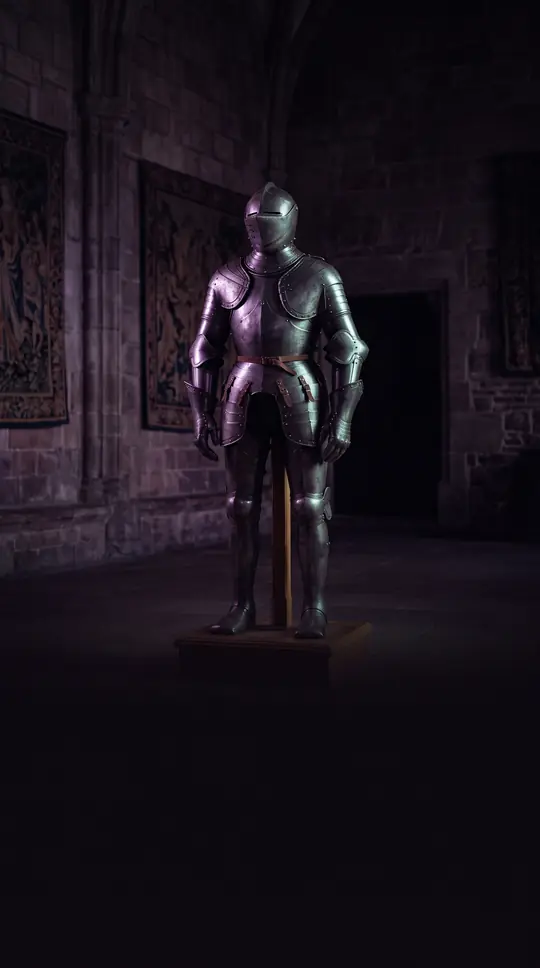
In short: Walk past a British soldier and the uniform tells a story. Every regiment and corps has its own pattern, and colours, plumes and headgear often trace back centuries. Full dress, the most elaborate order, still marks identity and tradition, and a single facing colour can reveal a unit's heritage at a glance.
The British Army's uniforms currently fall into twelve categories, running from ceremonial dress to combat clothing. Within each category the design is tied to the particular regiment or corps a soldier serves in. Full dress shows the most variation between units, while the other orders share fewer distinctions, though some regimental identity runs through all of them. Officers above the rank of full colonel usually wear a staff uniform rather than regimental dress, identified by a coloured band on the cap and matching patches on the gorget.
Full dress is the most traditional order, typically a high-necked tunic in scarlet, dark blue or rifle green paired with ornate headwear. It was pulled from general issue in 1914, yet the Army Dress Regulations still list it and describe it as the benchmark against which every other order is measured. Each pattern is approved by the Army Dress Committee and is generally a modified version of pre-1914 designs. Today it is still put on for ceremonial occasions by the Guards regiments, the Household Cavalry and the King's Troop of the Royal Horse Artillery.
Colour carries meaning too. Light cavalry regiments and the Royal Artillery have favoured blue since the eighteenth century, while rifle regiments wear green, and the regulations assign each unit an allotted facing colour. Where full dress is not in use, the notional colour can be read from mess dress, provided the regiment has not been amalgamated. Some units, such as the Intelligence Corps, SAS and Special Reconnaissance Regiment, never had a full dress design, so their colours are inferred from other sources. Headgear also reveals lineage: bearskins for the Guards, metal helmets with coloured plumes for some cavalry, and black fur busbies for several hussar and artillery units. Berets are worn by airborne and special units in every order of dress.
Opens the Intellect+ feed with this card first. Swipe up for the next one.
Sources
- Summary by Intellect · source: Uniforms of the British Army
To cite this card, link to https://intellectplus.co.uk/app/history-uniforms-of-the-british-army.
How we source, check and correct cards: Editorial standards.
General information, not professional advice. Spotted an error? Flag the card or see corrections and complaints.
Intellect Plus is a visual educational discovery platform for exploring fascinating facts and ideas. Brain Food, Not Brain Rot. What is Intellect Plus?
Related
More in History · Latest · A–Z · All topics
