Why do modern armies still wear the colourful, ornate uniforms of the 19th century?
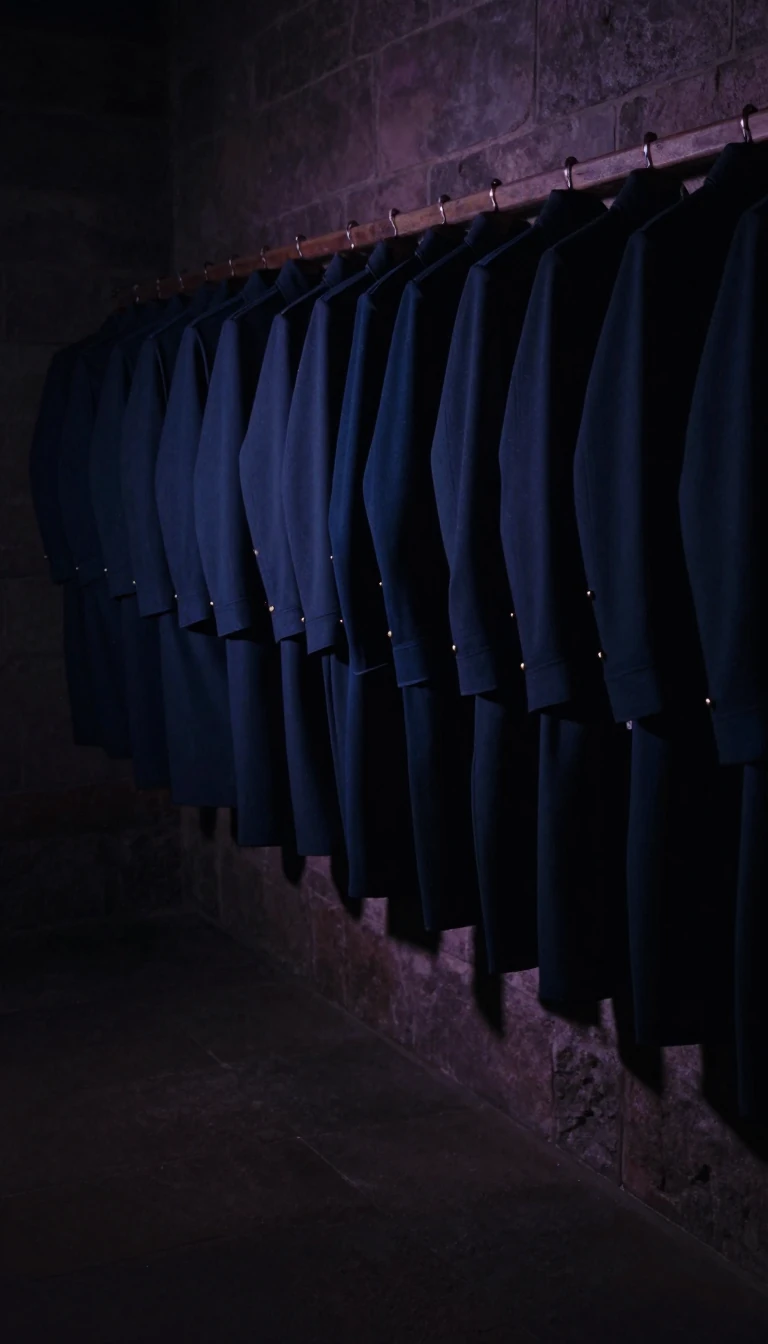
In short: Full dress uniforms are the most formal military attire, often featuring gold epaulettes and scarlet tunics. While these elaborate styles originated as standard combat gear in the 18th and 19th centuries, they were relegated to ceremonial use as practical, drab uniforms became the standard for active service after World War I.
The evolution of the full dress uniform reflects a shift from battlefield necessity to symbolic tradition. In the 19th century, armies maintained distinct, colourful uniforms to foster unit pride and aid recruitment. For instance, in 1913, French soldiers wore red trousers, while British regiments were known for their scarlet tunics and German forces for Prussian blue. These designs were not merely decorative; they were the standard dress for both parade and off-duty wear, known as walking out dress.
Following the devastation of World War I, many nations abandoned these 'peacock' uniforms. Republican, fascist, and communist regimes often sought to distance themselves from the imperial past, while others cited the high cost and changing nature of modern warfare as reasons to move toward simpler, functional clothing. Today, full dress is typically reserved for ceremonial guard units, military bands, and specific academies, such as the Royal Military College of Canada, which has maintained its 1876-style uniform with only minor modifications.
Despite the trend toward drabness, some nations have reintroduced traditional elements to emphasize national identity. The French Army, following the end of conscription, brought back kepis and fringed epaulettes for parade wear. Similarly, the Chilean Army uses uniforms inspired by the 19th-century War of Independence and early-20th-century Prussian styles for ceremonial units. In countries like the UK and Canada, regimental traditions remain strong, with specific units authorized to wear full dress uniforms that distinguish them from the rest of the armed forces, often at the expense of the individual or the regiment's own allowance.
While the term 'dress uniform' is sometimes used generically, full dress remains the most formal category, serving as the military equivalent to white tie or morning dress. Whether it is the Royal Canadian Mounted Police's iconic Red Serge or the Argentine Army's high-collar blue coats, these garments serve as living links to history, preserving the aesthetic heritage of military institutions even as the nature of combat has fundamentally changed.
Opens the Intellect+ feed with this card first. Swipe up for the next one.
Sources
- Summary by Intellect · source: Full dress uniform
- Also: Wikidata — dress uniform · CC0
- Also: Wikidata — Full Dress Uniform · CC0
To cite this card, link to https://intellectplus.co.uk/app/places-full-dress-uniform.
How we source, check and correct cards: Editorial standards.
General information, not professional advice. Spotted an error? Flag the card or see corrections and complaints.
Intellect Plus is a visual educational discovery platform for exploring fascinating facts and ideas. Brain Food, Not Brain Rot. What is Intellect Plus?
Related
More in Countries and other regions · More in Countries & Cities · Latest · A–Z · All topics
