From colourful vanity to tactical camouflage: the evolution of the modern military uniform
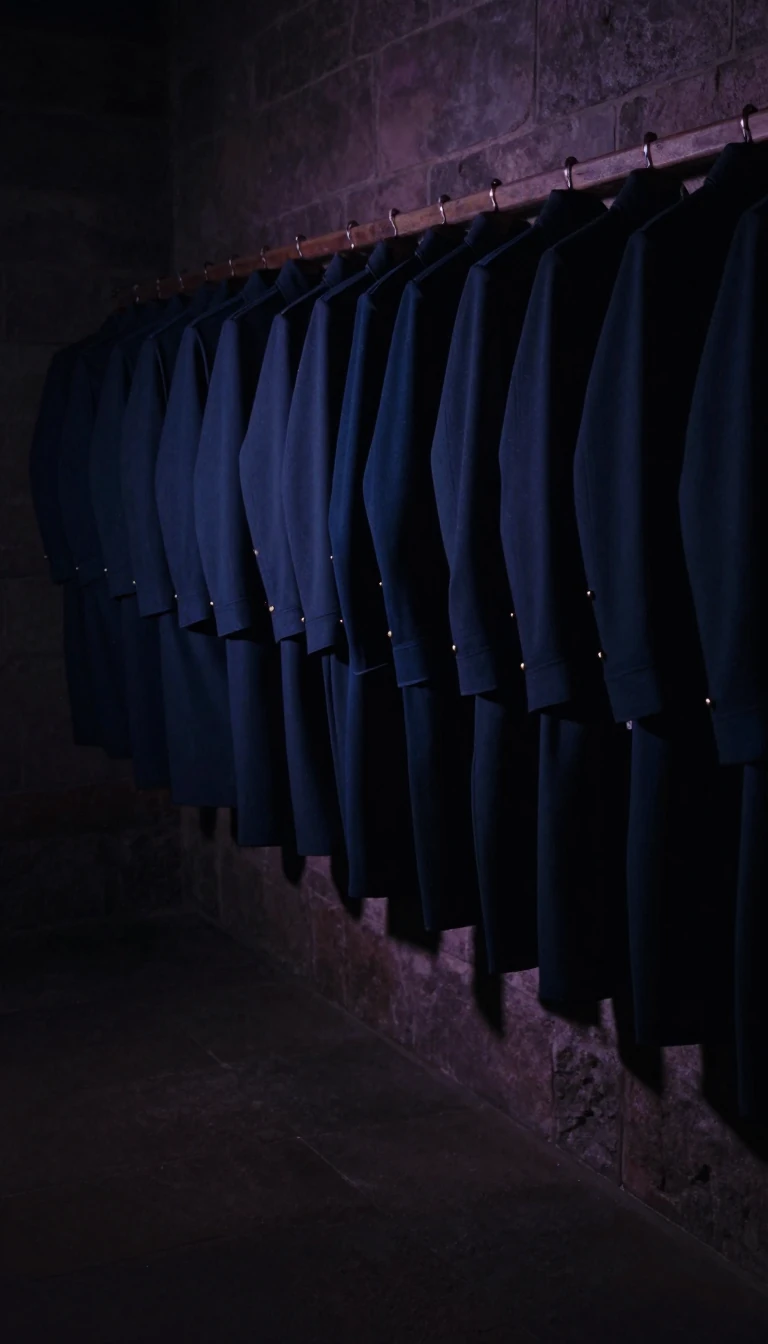
In short: For centuries, soldiers marched into battle wearing vibrant, ornamental clothing that prioritized status over survival. It was not until the 20th century that the harsh realities of industrial warfare forced armies to abandon these elaborate displays in favor of the drab, functional camouflage we recognize on the modern battlefield today.
The concept of the military uniform as a standardized, state-issued garment is a relatively recent development. Before the 17th century, most soldiers wore civilian clothing, with allegiance often marked only by makeshift 'field signs' like scarves or foliage. Even as professional standing armies emerged in Europe, uniformity was inconsistent. In the English New Model Army of 1645, for instance, soldiers were clothed in standard civilian-style coats, but regimental identity was often left to the personal taste and wealth of individual colonels.
By the 18th century, European armies had adopted standardized uniforms, though these remained deeply tied to social hierarchy and display. Officers, who typically paid for their own attire, often resisted standardization, viewing it as a form of demeaning livery. Uniforms were frequently colorful—red for the British, white for the French and Austrians, and blue for the Prussians—with elaborate facings and braiding. These outfits were intended to impress, with French Napoleonic Guard uniforms costing up to 2,000 francs, a staggering sum compared to the 200-250 francs for a standard infantryman's kit.
The transition to practical, drab field dress was slow and resisted by traditionalists. While the British began experimenting with khaki in India as early as 1848, many armies clung to bright colors for parade and active service well into the early 20th century. It took the sheer scale and lethality of the First World War to finally end the era of ornamental dress. By 1916, the demands of modern combat and the need for financial economy had forced all major powers to adopt functional, muted colors like khaki, grey, or sky blue, and to introduce protective gear like the steel helmet.
This shift marked a fundamental change in military philosophy: the uniform evolved from a tool for identification and social display into a specialized piece of equipment. Today, military textile science governs the design of everything from formal mess dress to combat gear, reflecting a legacy that stretches from the Roman Empire's early attempts at standardization to the global influence of the Royal Navy's 19th-century designs.
Opens the Intellect+ feed with this card first. Swipe up for the next one.
Sources
- Summary by Intellect · source: Military uniform
To cite this card, link to https://intellectplus.co.uk/app/culture-military-uniform.
How we source, check and correct cards: Editorial standards.
General information, not professional advice. Spotted an error? Flag the card or see corrections and complaints.
Intellect Plus is a visual educational discovery platform for exploring fascinating facts and ideas. Brain Food, Not Brain Rot. What is Intellect Plus?
Related
More in Clothing and fashion · More in Cultures · Latest · A–Z · All topics
