From hit-and-run raiders to kings of England: the Viking transformation of the British Isles
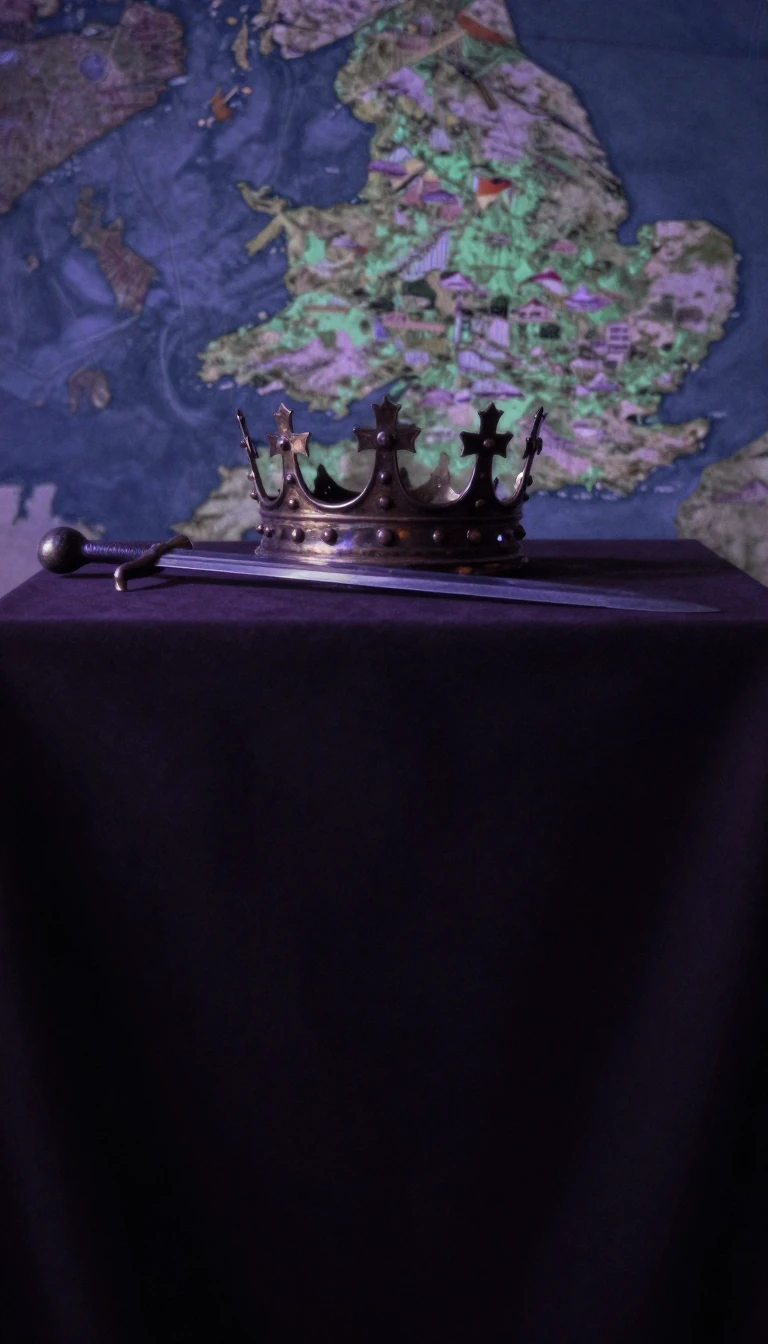
In short: Between the 8th and 11th centuries, Scandinavian visitors evolved from opportunistic coastal raiders into permanent settlers and monarchs. This shift fundamentally altered the political, cultural, and linguistic landscape of Britain and Ireland, turning isolated monastic targets into the foundation of a new, unified kingdom under the Danelaw and beyond.
Viking activity in the British Isles began in the late 8th century, characterized by swift, violent raids on isolated, wealthy monasteries like Lindisfarne in 793. These early incursions were often uncoordinated, but by 865, the strategy shifted toward large-scale colonization. The arrival of the Great Heathen Army, led by figures such as Ivar the Boneless and Halfdan Ragnarsson, marked a transition from looting to territorial conquest. By 876, Halfdan had begun distributing Northumbrian land to his followers, establishing the Danelaw—a region under Viking political influence that stood in contrast to the Anglo-Saxon kingdoms of the south and west.
The Anglo-Saxon response was complex and often desperate. King Alfred the Great of Wessex, forced into hiding in 878, eventually regrouped to defeat the Viking leader Guthrum at the Battle of Edington. This victory led to a formal treaty defining territorial boundaries. Alfred’s government implemented innovative defensive measures, including the construction of fortified towns known as burhs and the establishment of a standing navy and militia system. Despite these efforts, the threat persisted, leading to the payment of massive sums of silver known as Danegelds to buy peace from Scandinavian invaders.
The conflict culminated in the 11th century with the rise of Cnut the Great, who established a North Sea Empire encompassing Denmark, England, and Norway. This era of Viking dominance was marked by both brutal warfare—such as the St. Brice's Day massacre of Danes in 1002—and administrative integration. Archaeological evidence, including hoards of coins and runestones like those found in Sweden, underscores the scale of these interactions. By the time the last Norse king of Northumbria, Eric Bloodaxe, was expelled in 954, the Viking presence had irrevocably reshaped the British Isles, leaving a legacy of cultural exchange and political unification that defined the late Early Middle Ages.
Opens the Intellect+ feed with this card first. Swipe up for the next one.
Sources
- Summary by Intellect · source: Viking activity in the British Isles
To cite this card, link to https://intellectplus.co.uk/app/history-viking-activity-in-the-british-isles.
How we source, check and correct cards: Editorial standards.
General information, not professional advice. Spotted an error? Flag the card or see corrections and complaints.
Intellect Plus is a visual educational discovery platform for exploring fascinating facts and ideas. Brain Food, Not Brain Rot. What is Intellect Plus?
Related
More in Post-classical · More in History · Latest · A–Z · All topics
