In 536, the sun lost its brightness, triggering a global catastrophe and years of darkness.
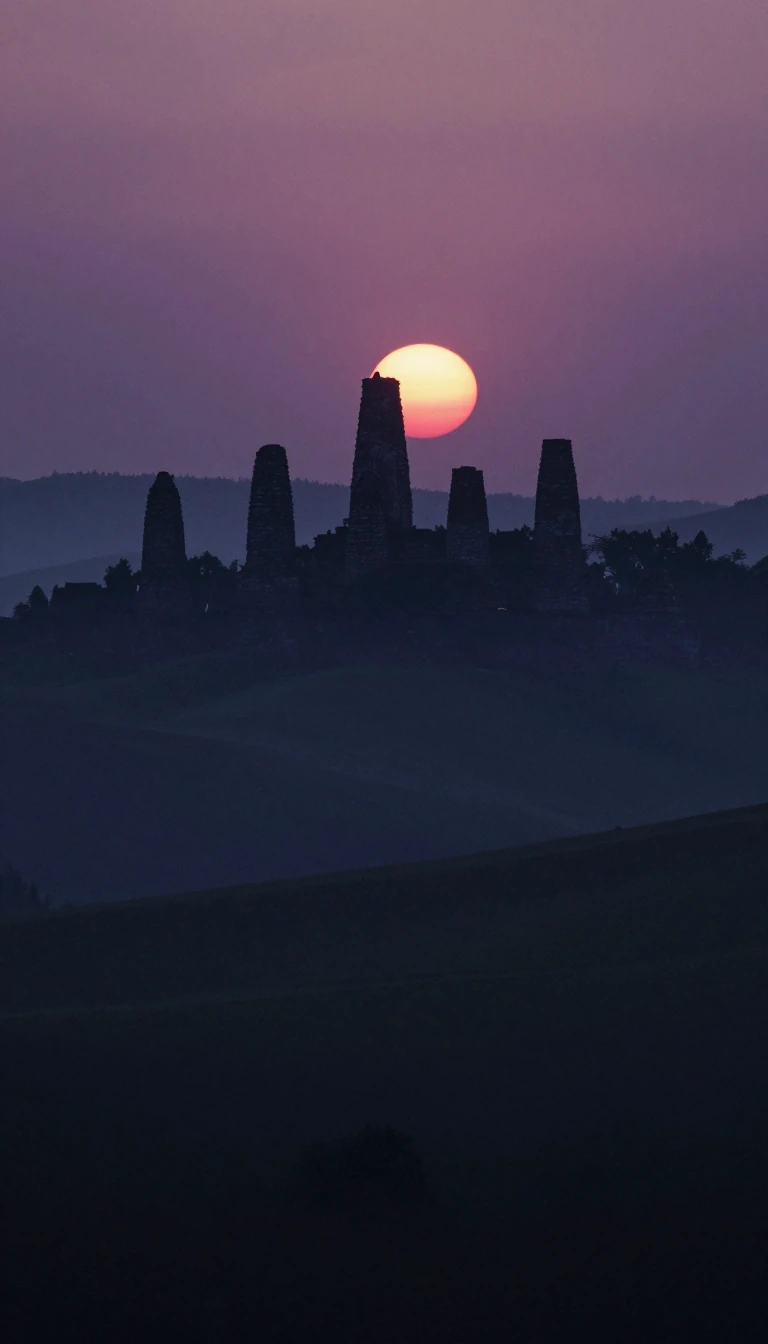
In short: Imagine a world where the sun turns pale, shadows vanish at noon, and summer heat disappears. In 536, a mysterious atmospheric veil plunged the Northern Hemisphere into a brutal, multi-year volcanic winter. This climatic collapse triggered widespread famine, mass mortality, and perhaps even the origins of our darkest mythological legends.
In early 536, a massive volcanic eruption ejected sulfate aerosols into the atmosphere, creating a dense veil that blocked solar radiation. Contemporary observers, including the Roman historian Procopius, described the sun as having the dimness of an eclipse. By 538, the Roman statesman Cassiodorus noted that the sun’s rays appeared bluish, the moon lost its splendor, and the seasons became hopelessly jumbled. This cooling was not a one-time event; subsequent eruptions in 539, 540, and 547 extended the misery, initiating the Late Antique Little Ice Age that persisted until 660.
The human cost was staggering. Across the globe, from the Guanzhong region of China to the British Isles, societies faced catastrophic crop failures and famine. In Guanzhong, records suggest 70 to 80 percent of the population perished. The scarcity was so extreme that grain became virtually impossible to purchase, even with gold. This period of suffering is often linked to the Plague of Justinian and may have influenced major geopolitical shifts, including the decline of the Sasanian and Gupta Empires, and the rise of new cultural forces.
While the exact source of the 536 eruption remains debated, recent geochemical analysis of cryptotephra suggests at least three synchronous events, likely originating from North America, the eastern Aleutians, and the Northern Cordilleran volcanic province. Earlier theories pointing to volcanoes like Krakatoa or Rabaul have been largely ruled out by modern dating. Beyond the physical devastation, the event left a deep scar on human culture; Scandinavian elites buried hoards of gold to appease the gods, and many scholars believe the memory of this sunless era inspired the terrifying legends of Fimbulwinter and Ragnarök.
Opens the Intellect+ feed with this card first. Swipe up for the next one.
Sources
- Summary by Intellect · source: Volcanic winter of 536
To cite this card, link to https://intellectplus.co.uk/app/history-volcanic-winter-of-536.
How we source, check and correct cards: Editorial standards.
General information, not professional advice. Spotted an error? Flag the card or see corrections and complaints.
Intellect Plus is a visual educational discovery platform for exploring fascinating facts and ideas. Brain Food, Not Brain Rot. What is Intellect Plus?
Related
More in Post-classical · More in History · Latest · A–Z · All topics
