The 1815 eruption of Mount Tambora triggered a global climate disaster and economic collapse.
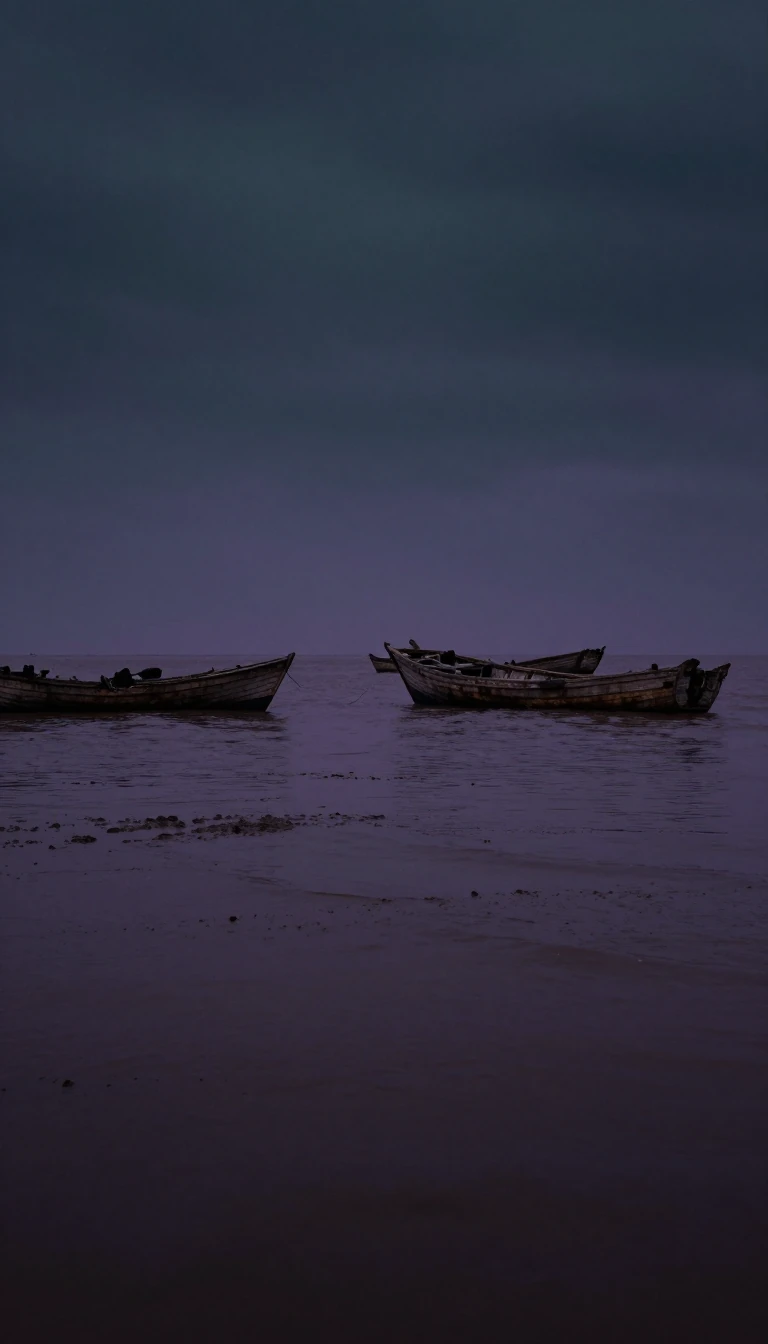
In short: In April 1815, Indonesia's Mount Tambora unleashed the most destructive explosion in 10,000 years. By ejecting 100 cubic kilometers of debris into the atmosphere, it blocked the sun, caused a volcanic winter, and sparked a global famine that reshaped history, from the opium trade to the birth of gothic literature.
The 1815 eruption of Mount Tambora on Sumbawa Island was a cataclysmic event that killed 10,000 people immediately and altered the Earth's climate for years. By spewing massive quantities of ash and gas into the stratosphere, the volcano created a veil that absorbed heat and reflected solar radiation. This led to a global temperature drop of approximately 3°C, resulting in the infamous 'Year without a Summer' in 1816. The cooling effect was so severe that crops failed across Europe, North America, and Asia, triggering widespread famine, riots, and economic instability.
The consequences were profound and far-reaching. In the United States, the agricultural crisis contributed to the Panic of 1819, the nation's first major economic depression, as farmers migrated westward in search of viable land. In Europe, the scarcity of food and the dreary, cold weather forced writers indoors, leading to the creation of iconic works like Mary Shelley's Frankenstein. Meanwhile, in Asia, the disruption of monsoon patterns and environmental changes in the Bay of Bengal are linked to the mutation of cholera, which sparked a pandemic killing tens of millions.
The eruption also left a lasting mark on global trade and exploration. In China's Yunnan province, the three-year famine caused by the volcanic winter led farmers to abandon traditional crops in favor of poppies, eventually establishing the region as a major opium producer. In the Arctic, the disruption of wind and currents caused sea ice to break up, prompting a renewed, albeit ultimately unsuccessful, British search for the Northwest Passage. Today, the 6-to-7-kilometer-wide caldera remains a site of intense scientific monitoring, serving as a stark reminder of the interdependence between human civilization and the volatile natural systems of our planet.
Opens the Intellect+ feed with this card first. Swipe up for the next one.
Sources
- Summary by Intellect · source: The Eruption of Mount Tambora (1815-1818) - Climate in Arts and History
- Also: Mount Tambora
To cite this card, link to https://intellectplus.co.uk/app/places-mount-tambora.
How we source, check and correct cards: Editorial standards.
General information, not professional advice. Spotted an error? Flag the card or see corrections and complaints.
Intellect Plus is a visual educational discovery platform for exploring fascinating facts and ideas. Brain Food, Not Brain Rot. What is Intellect Plus?
Related
More in Mountain peaks and volcanos · More in Countries & Cities · Latest · A–Z · All topics
