How a medieval Indian empire built a global trade network from the Deccan Plateau
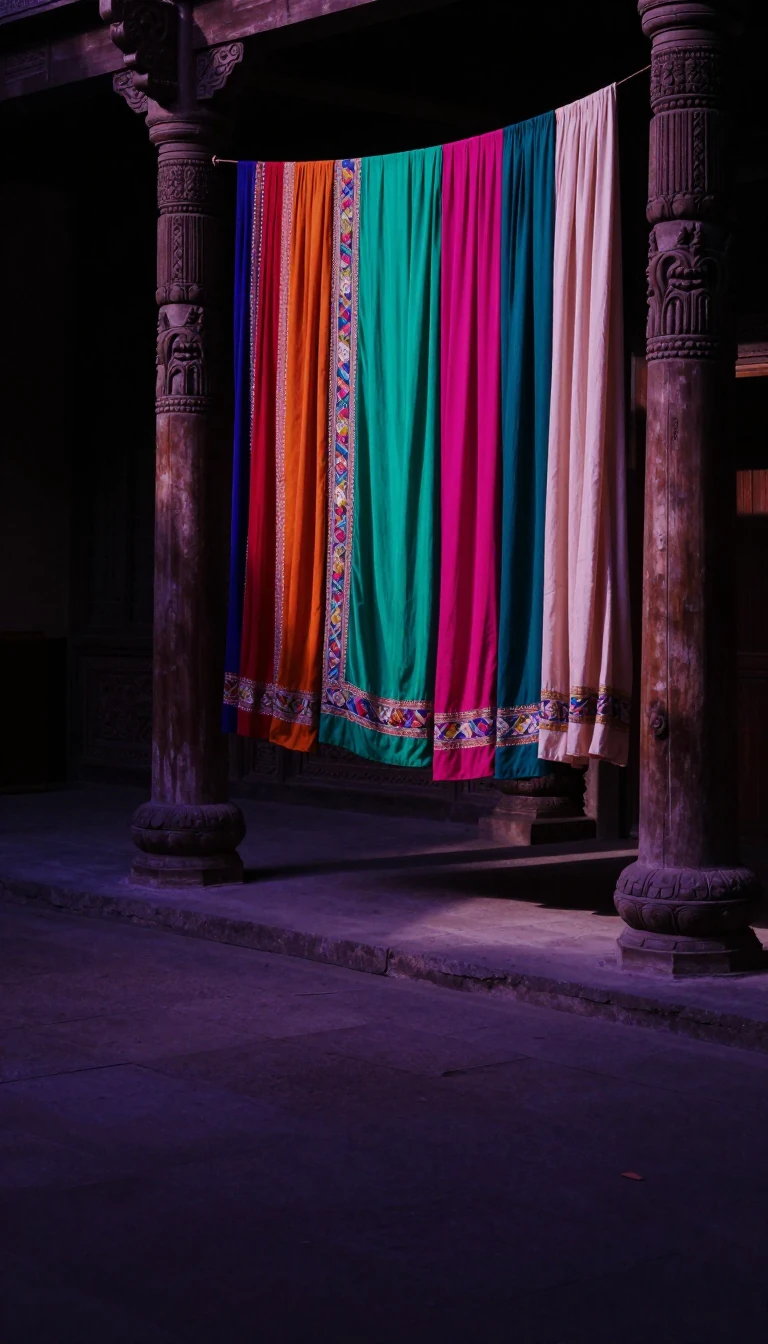
In short: Between the 10th and 12th centuries, the Western Chalukya Empire dominated South India, balancing fierce regional wars with a sophisticated, decentralized administration. While their kings fought for control of fertile river valleys, their merchant guilds forged trade links stretching from Song dynasty China to the Abbasid Caliphate in Baghdad.
The Western Chalukya Empire emerged in 973 when Tailapa II, a feudatory of the Rashtrakuta dynasty, seized power during a period of political confusion. By moving their capital to Kalyani under Someshvara I, the dynasty consolidated control over the western Deccan. At its peak under Vikramaditya VI, the empire spanned from the Narmada River in the north to the Kaveri River in the south, maintaining a complex, decentralized structure where feudatory clans managed autonomous provinces and paid annual tribute.
The empire’s economic engine was driven by agriculture and a highly organized corporate sector. Land tax was meticulously assessed based on soil quality and crop type, while professional guilds—most notably the Ainnurruvar, or 500 Svamis of Ayyavolepura—transcended political borders to conduct extensive international trade. These merchants exported textiles, spices, and jewels to destinations as far as Persia, Arabia, and Egypt, while importing Arabian horses, which were a high-value commodity. This commercial success was supported by a stable monetary system featuring gold coins like the Gadyanaka.
The 12th century brought significant social and political shifts. The rise of the Virashaiva movement, led by Basavanna, introduced a faith that challenged caste norms and emphasized the dignity of labor. However, constant warfare with the imperial Cholas and internal strife among subordinates eventually exhausted the state. By 1189, the dynasty collapsed under pressure from rising powers like the Seuna and Hoysala, leaving behind a legacy of transitional architecture and a rich literary tradition in Kannada and Sanskrit that remains a cornerstone of South Indian history.
Opens the Intellect+ feed with this card first. Swipe up for the next one.
Sources
- Summary by Intellect · source: Western Chalukya Empire
To cite this card, link to https://intellectplus.co.uk/app/history-western-chalukya-empire.
How we source, check and correct cards: Editorial standards.
General information, not professional advice. Spotted an error? Flag the card or see corrections and complaints.
Intellect Plus is a visual educational discovery platform for exploring fascinating facts and ideas. Brain Food, Not Brain Rot. What is Intellect Plus?
Related
More in Post-classical · More in History · Latest · A–Z · All topics
