For nearly forty years, the Catholic Church was split between two, then three, popes.
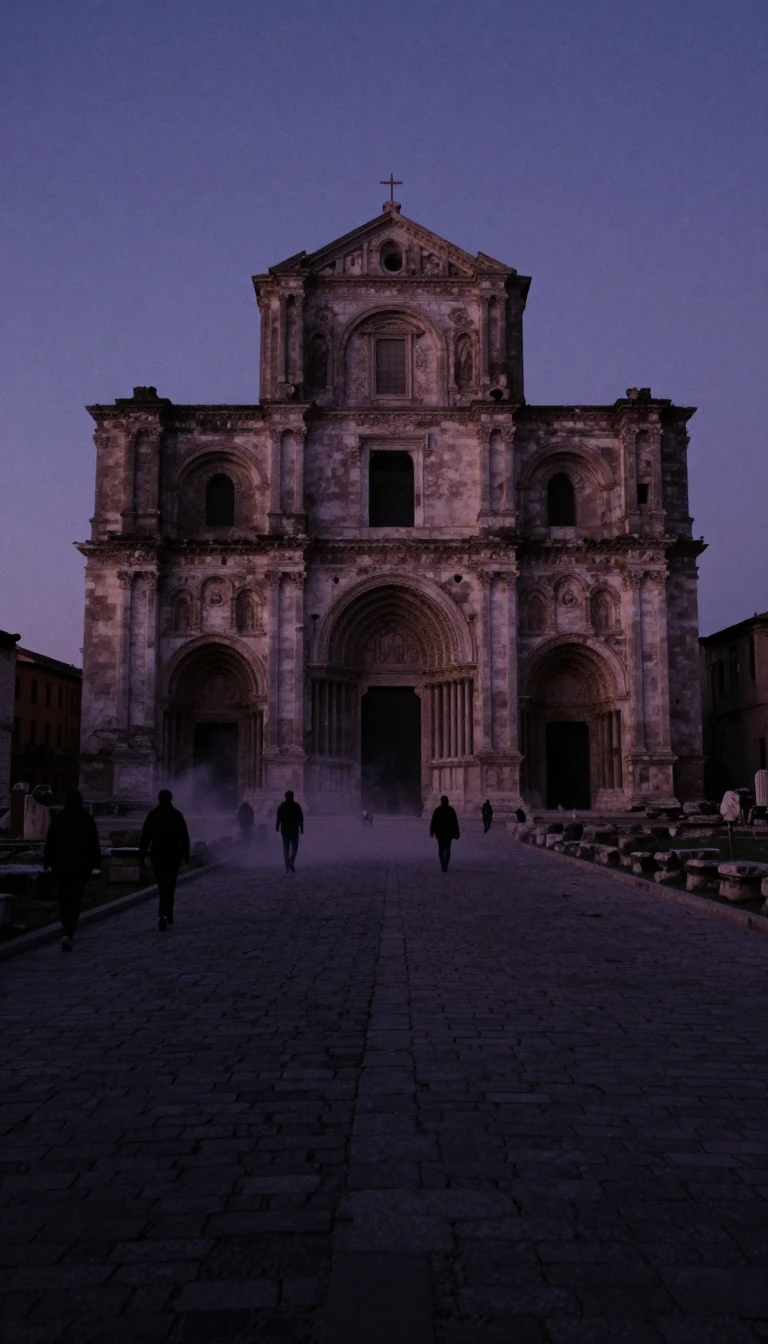
In short: From 1378 to 1417, the Western Schism fractured Christendom. Rival factions in Rome and Avignon—and later Pisa—simultaneously claimed the papacy, driven by political allegiances and international power struggles. This crisis of legitimacy eroded the Church's authority, leaving a legacy of confusion that persists in modern papal numbering systems.
The schism began in 1378 following the death of Gregory XI, who had returned the papacy to Rome after seventy years in Avignon. When the Roman cardinals elected Urban VI under pressure from rioting crowds, a group of French cardinals fled, declared the election invalid due to intimidation, and elected Clement VII. This created two competing papal lines, with monarchs across Europe choosing sides based on their own political interests. France and its allies supported the Avignon papacy, while others, including England and parts of Italy, backed the Roman line.
Attempts to resolve the deadlock through a council initially failed because canon law required a pope to convene one. By 1409, the Council of Pisa attempted to depose both existing claimants and elect a new pope, Alexander V. Instead of ending the division, this created a third line of claimants. The crisis was only resolved by the Council of Constance (1414–1418), which secured the resignation or deposition of the Roman, Avignonese, and Pisan claimants, eventually electing Martin V as the sole pope.
The Church never officially declared which of the three lines was legitimate, and modern scholars remain divided. While the Roman line is now retroactively recognized as the sole legitimate succession, the confusion left permanent marks on history. For instance, when Angelo Giuseppe Roncalli chose the name John XXIII in 1958, he inadvertently highlighted the historical mess, as the previous John XXIII was a Pisan antipope. Today, the Church classifies the Pisan and Avignon claimants as antipopes, yet the numbering of subsequent popes remains unchanged, preserving a visible gap in the sequence.
Opens the Intellect+ feed with this card first. Swipe up for the next one.
Sources
- Summary by Intellect · source: Western Schism
To cite this card, link to https://intellectplus.co.uk/app/history-western-schism.
How we source, check and correct cards: Editorial standards.
General information, not professional advice. Spotted an error? Flag the card or see corrections and complaints.
Intellect Plus is a visual educational discovery platform for exploring fascinating facts and ideas. Brain Food, Not Brain Rot. What is Intellect Plus?
Related
More in Post-classical · More in History · Latest · A–Z · All topics
