Xanthi was once called the Lady and Noblewoman of Thrace
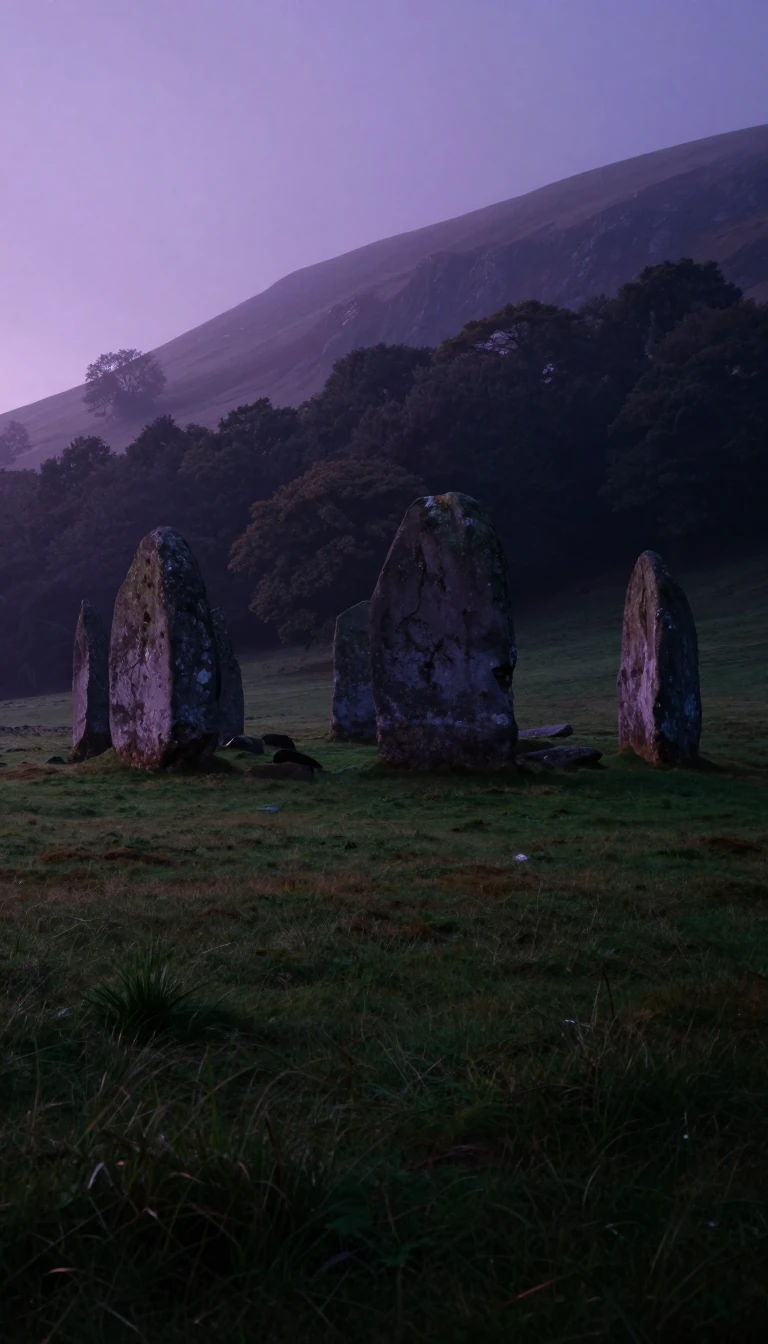
In short: Tucked beneath the Rhodope Mountains in northeastern Greece, Xanthi is known for its distinctive old town, where Byzantine churches stand beside neoclassical merchant mansions and Ottoman-era mosques. Its history is layered too, shaped by raids, depopulation, shifting empires and repeated changes of rule. Here is how one city's story reflects the turbulence of an entire region.
Xanthi sits on the foot of the Rhodope Mountains, divided by the Kosynthos River into a western part holding the old and modern town and an eastern part with a rich natural setting. The old quarter, known locally as Palia Poli, is admired across Greece for its architecture, which blends Byzantine Greek churches, eighteenth and nineteenth century neoclassical mansions built by Greek merchants, and Ottoman-era mosques. Because of this beauty, the city is often called the Lady and Noblewoman of Thrace.
The origins of the city are obscure. Its name may come from a daughter of Oceanus and Tethys, or from Xanthi, one of the Amazons said to have ruled the region, according to legend. Some scholars identify it with the ancient city of Xantheia, which the geographer Strabo mentioned in the first century BC, although no other ancient historian mentions it. Xanthi first appears in written records in 879, when a bishop of Xantheia took part in the Fourth Council of Constantinople. It later became a prosperous stronghold in the Byzantine era and, after the Ottoman conquest of the region in 1361, a centre of the Ottoman empire. The sources describe the region as depopulated and heavily damaged during earlier periods of raids and conflict, and Ottoman authorities brought settlers from Asia Minor to repopulate it.
Tobacco shaped the city's fortunes. By 1715 Xanthi and the nearby town of Genisea were renowned for the quality of their tobacco, and the European tobacco trade brought prosperity. Two earthquakes in March and April 1829 levelled the city, but rebuilding began immediately and the disaster shaped later development. In 1870 Genisea burned, and its services moved to Xanthi, which then had about 10,000 inhabitants. A rail line arrived in 1891, followed by schools and associations.
Xanthi's modern history was shaped by shifting rule. Bulgarian forces captured the city in November 1912 during the First Balkan War, and Greek forces took it in July 1913. Under the Treaty of Bucharest it passed to Bulgaria until the end of the First World War. Greek troops entered on 4 October 1919, a date the city still marks as its liberation. During the Second World War, Bulgarian authorities administered the region after the German invasion of Greece, and the sources record the deportation of the city's Jewish community in 1943, from which only six people survived. Today the city is celebrated for its annual carnival and its multicultural character.
Opens the Intellect+ feed with this card first. Swipe up for the next one.
Sources
- Summary by Intellect · source: Xanthi
To cite this card, link to https://intellectplus.co.uk/app/history-xanthi.
How we source, check and correct cards: Editorial standards.
General information, not professional advice. Spotted an error? Flag the card or see corrections and complaints.
Intellect Plus is a visual educational discovery platform for exploring fascinating facts and ideas. Brain Food, Not Brain Rot. What is Intellect Plus?
Related
More in Military leaders, personnel, and theorists · More in History · Latest · A–Z · All topics
