The Yayoi period transformed Japan from a hunter-gatherer society into a stratified agricultural power.
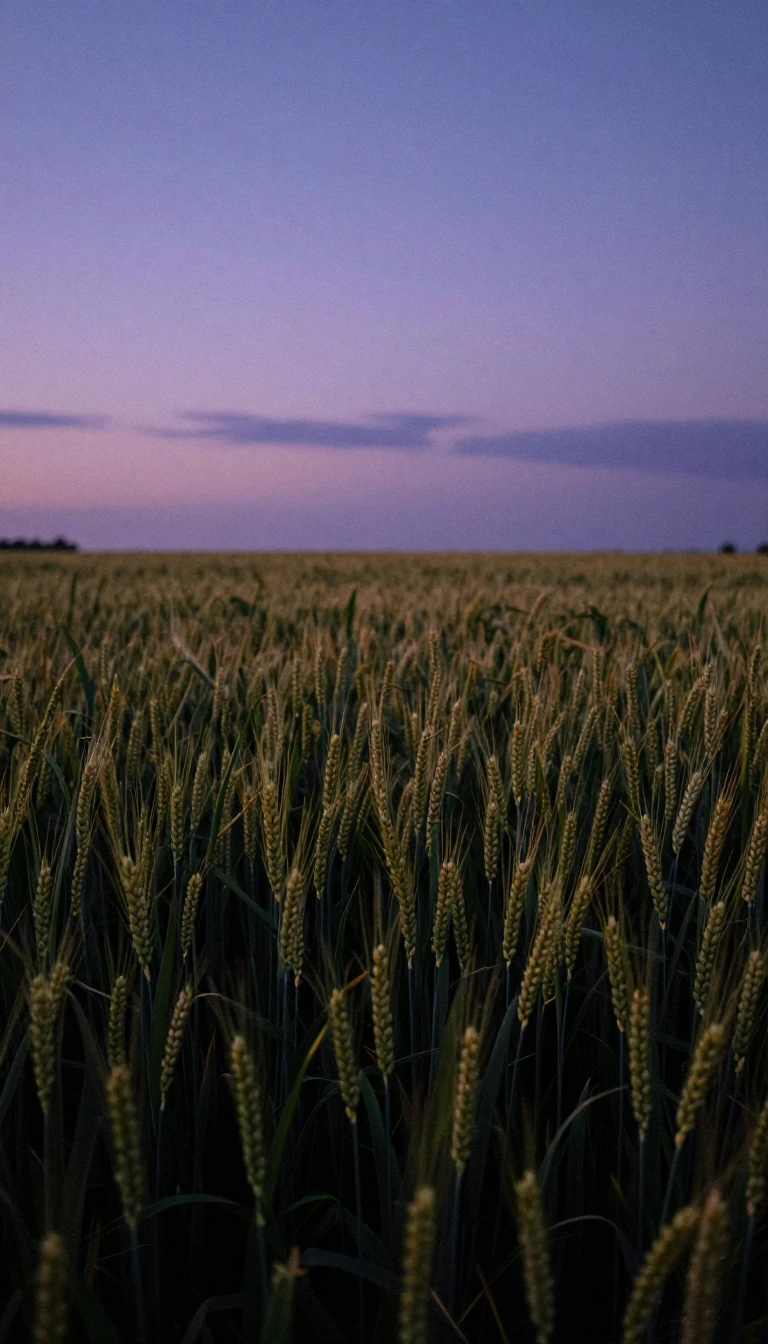
In short: Between 300 BC and AD 300, Japan underwent a radical shift. Migrants from the Korean Peninsula introduced wet-rice farming, iron tools, and complex social hierarchies. This era, known as the Yayoi period, laid the foundation for the modern Japanese state, blending new continental influences with indigenous Jōmon traditions.
The Yayoi period, generally dated from circa 300 BC to AD 300, marks the transition from the hunter-gatherer Jōmon era to a productive economy defined by intensive wet-rice agriculture. This shift was driven by migrants from the Korean Peninsula and southern regions who brought advanced metallurgical techniques, weaving, and permanent settlement patterns. While some scholars argue that a population increase of roughly four million people suggests an internal shift toward farming rather than mass migration alone, archaeological evidence confirms a significant influx of continental farmers who eventually assimilated with the indigenous population.
Social complexity surged during this time. As grain storage and land ownership created wealth, society became increasingly stratified. Chinese historical texts from the 3rd century describe a land of scattered tribal communities characterized by violent struggles, noting that people used tattoos to signal social status. By the 1st century AD, regional powers had emerged, leading to the formation of the political entity known as Wa-koku. The era also saw the rise of powerful figures like Queen Himiko, who assumed the throne of Wa as a spiritual leader following a major civil war.
The cultural legacy of the Yayoi period is profound. Linguists and archaeologists largely agree that the Japonic language family spread through the Japanese archipelago during this time. Furthermore, the period established enduring cultural practices, such as clapping hands in worship—a tradition still observed in Shinto shrines today. By the mid-3rd century, the Yayoi period transitioned into the Kofun period, signaled by the emergence of large, keyhole-shaped burial mounds, though the precise timing of this transition remains a subject of scholarly debate.
The physical transformation of the population was equally striking. Skeletal remains reveal that Yayoi people were generally 2.5–5 cm taller than their Jōmon predecessors, with flatter faces and shallower-set eyes. This distinct physical type, with minor Jōmon admixture, became the standard for the Japanese population by the Kofun period. Today, the Yayoi period is recognized not as a single ethnic event, but as a complex process of cultural and biological mixing that forged the roots of modern Japan.
Opens the Intellect+ feed with this card first. Swipe up for the next one.
Sources
- Summary by Intellect · source: Yayoi period
To cite this card, link to https://intellectplus.co.uk/app/history-yayoi-period.
How we source, check and correct cards: Editorial standards.
General information, not professional advice. Spotted an error? Flag the card or see corrections and complaints.
Intellect Plus is a visual educational discovery platform for exploring fascinating facts and ideas. Brain Food, Not Brain Rot. What is Intellect Plus?
Related
More in History by continent and region · More in History · Latest · A–Z · All topics
