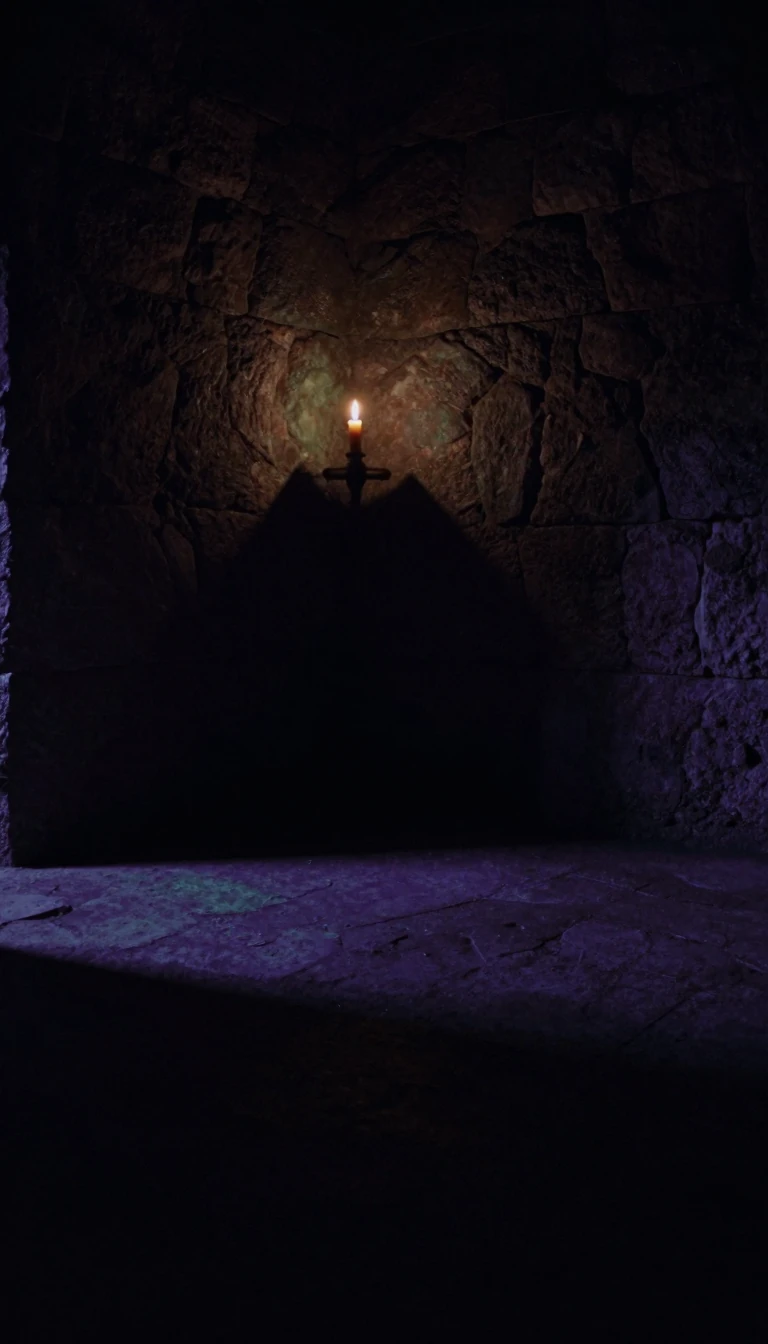
Born in a dungeon’s shadow, this leader guided a global faith through decades of exile.
In short: ʻAbdu'l-Bahá, the eldest son of the Baháʼí Faith’s founder, spent most of his life as a prisoner of the Ottoman Empire. Despite being born into aristocratic privilege, he endured decades of confinement, yet emerged to lead his community, preserve its unity, and spread its message across the Western world.
Born ʻAbbás in Tehran in 1844, ʻAbdu'l-Bahá’s life was defined by the persecution of his father, Baháʼu'lláh. By age eight, his family’s wealth was looted, and he witnessed his father’s imprisonment in the subterranean Síyáh-Chál dungeon. Following his father’s exile, he spent years in Baghdad, Istanbul, and Edirne before being confined to the prison-city of ʻAkká in 1868. He remained a prisoner there for forty years, enduring horrendous conditions, disease, and the loss of his brother, Mírzá Mihdí, until the 1908 Young Turk Revolution finally secured his freedom.
Appointed as his father’s successor in 1892, ʻAbdu'l-Bahá faced internal challenges from his half-brother, Muhammad ʻAlí, who sought to usurp leadership by questioning ʻAbdu'l-Bahá’s status. To clarify his role, he adopted the title ʻAbdu'l-Bahá, meaning 'Servant of Bahá,' emphasizing his position as a servant rather than a manifestation of God. Through his Will and Testament, he established the Baháʼí administrative order, including the Guardianship and the Universal House of Justice, ensuring the faith’s doctrinal integrity and preventing the schisms that often plagued other religious movements.
After his release in 1908, ʻAbdu'l-Bahá traveled extensively through Egypt, Europe, and North America to share the Baháʼí teachings. During World War I, he was confined to Haifa, where he worked to avert famine, eventually earning a knighthood from the British Empire. By the time of his death in 1921, he had transformed a small, persecuted group into a growing international community, leaving behind a legacy of service, intellectual discourse, and a structured administrative framework that continues to guide the faith today.
Opens the Intellect+ feed with this card first. Swipe up for the next one.
Sources
- Summary by Intellect · source: ʻAbdu'l-Bahá
To cite this card, link to https://intellectplus.co.uk/app/ideas-abdu-l-bah.
How we source, check and correct cards: Editorial standards.
General information, not professional advice. Spotted an error? Flag the card or see corrections and complaints.
Intellect Plus is a visual educational discovery platform for exploring fascinating facts and ideas. Brain Food, Not Brain Rot. What is Intellect Plus?
Related
More in Philosophers · More in Ideas & Philosophy · Latest · A–Z · All topics
