The lethal botanical legend behind the saliva of Cerberus
In short: From the arrows of ancient hunters to the potential execution of Socrates, the Aconitum genus has shaped human history through its extreme toxicity. Known as monkshood or wolfsbane, this beautiful but deadly perennial carries a chemical potency capable of stopping a human heart with just a single gram.
The genus Aconitum, comprising over 250 species, is defined by its potent alkaloids, including aconitine, mesaconitine, and pseudaconitine. These toxins are most concentrated in the plant's roots and tubers. The physiological impact is devastating: ingesting as little as 1 gram of plant material, or 2 mg of aconitine, can lead to death via respiratory paralysis or heart failure. Even skin contact can trigger numbness, tingling, and dizziness within an hour, with fatal outcomes often occurring within two to six hours.
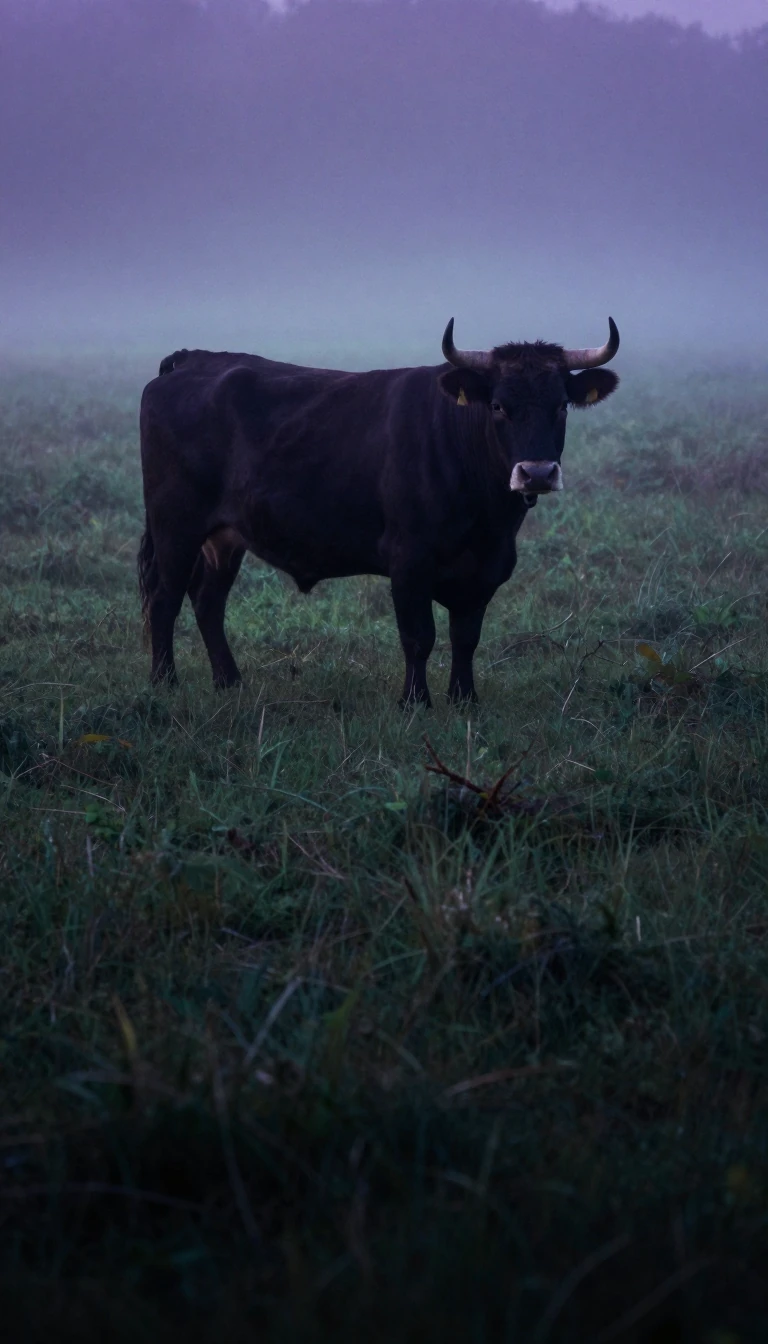
This toxicity has cemented the plant's place in both myth and warfare. Ancient Greek legends suggest the goddess Hecate invented the plant, while the poet Ovid claimed it sprang from the saliva of Cerberus, the three-headed guardian of Hades. This myth may have had a basis in clinical observation; the symptoms of aconite poisoning—such as frothy saliva and vertigo—closely resemble rabies. Historically, the plant's juice was used to tip arrows for hunting wolves, bears, and even whales, and it appears in the Rigveda as a component of poisoned shafts.
Beyond its use as a weapon, Aconitum has a complex medicinal and cultural legacy. In Ming China, evidence from the 14th-century tomb of the doctor Xia Quan suggests the plant was used as an anesthetic. However, its use remains highly controversial and dangerous. In 2021, the president of Kyrgyzstan, Sadyr Japarov, faced backlash and social media removal after promoting aconite root as a COVID-19 treatment, an action that led to several hospitalizations due to poisoning.
In the garden, the genus is prized for its striking blue, purple, and white flowers, often featuring a 'galea' or helmet-shaped sepal. While some hybrids win horticultural awards, the genus lacks the 'double-flowered' forms common in related plants like Ranunculus. It remains a plant of caution, requiring protective gloves for any handling to avoid the onset of neurological and cardiovascular distress.
Opens the Intellect+ feed with this card first. Swipe up for the next one.
Sources
- Summary by Intellect · source: Aconitum
To cite this card, link to https://intellectplus.co.uk/app/ideas-aconitum.
How we source, check and correct cards: Editorial standards.
General information, not professional advice. Spotted an error? Flag the card or see corrections and complaints.
Intellect Plus is a visual educational discovery platform for exploring fascinating facts and ideas. Brain Food, Not Brain Rot. What is Intellect Plus?
Related
More in Philosophers · More in Ideas & Philosophy · Latest · A–Z · All topics
