The beautiful, deadly shrub that has fascinated civilizations for over two millennia
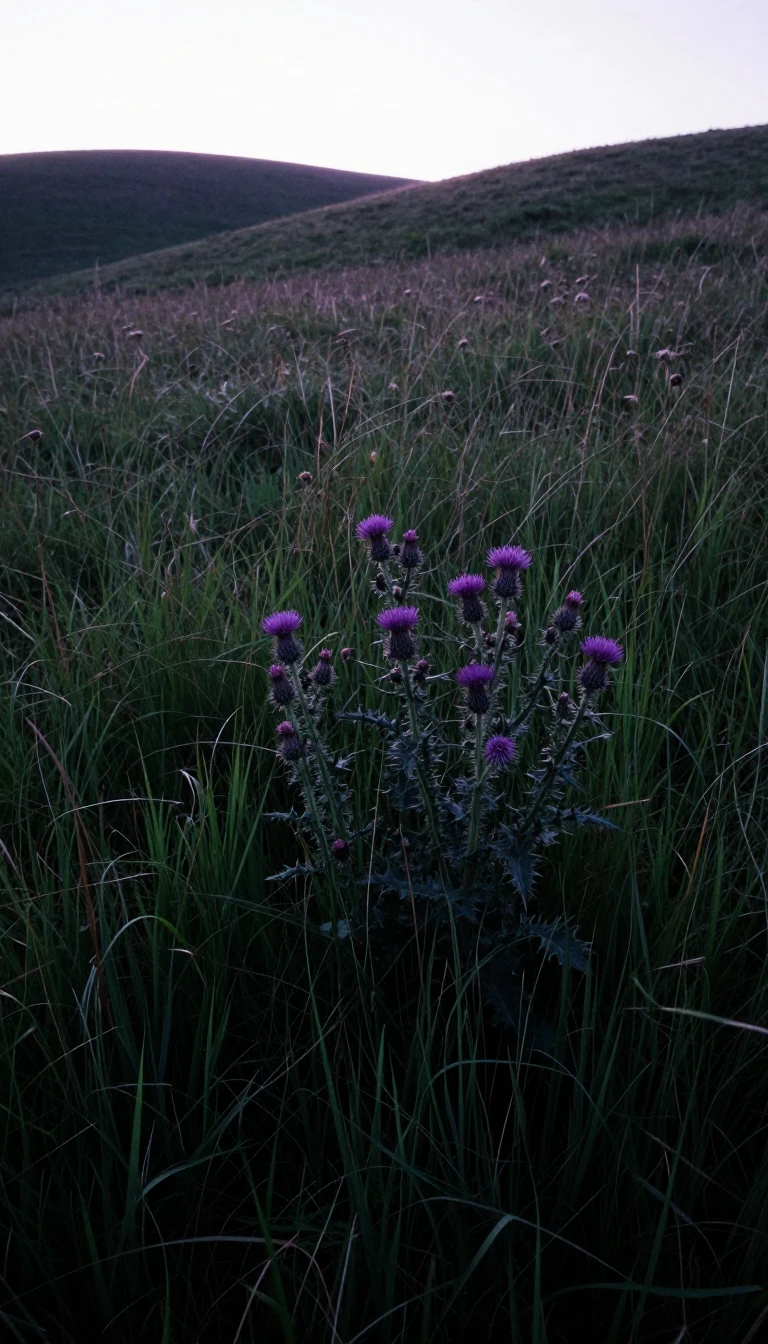
In short: Oleander is a paradox of the botanical world. Prized for its vibrant, fragrant blooms and extreme durability in harsh climates, it is also a potent source of cardiac glycosides. While its bitter taste usually deters consumption, its complex history spans from ancient medicine to modern landscaping and even suspected oracular trances.
Nerium oleander, the sole species in its genus, is a resilient shrub native to a vast region stretching from Morocco to India and southern China. Its ability to thrive in poor soils, intense heat, and drought has made it a staple of Mediterranean and subtropical landscapes for thousands of years. In the United States, it is a common sight along highways, with an estimated 25 million plants lining California roadsides alone. Its hardiness is so legendary that it was planted extensively on Galveston Island following the 1900 hurricane, earning the city its nickname, the 'Oleander City'.
The plant's toxicity is as famous as its beauty. It contains potent cardiac glycosides, including oleandrin, which can cause severe gastrointestinal distress and lethal heart arrhythmias in humans and grazing animals like horses. Despite these dangers, human mortality remains low due to the plant's intense bitterness. However, the plant has a dark, storied past. Some researchers suggest that the Oracle of Delphi’s famous trances may have been induced by inhaling smoke or chewing leaves from the shrub, while ancient writers like Theophrastus once claimed its root, when mixed with wine, could improve one's mood.
Today, oleander faces a modern threat: oleander leaf scorch. First identified in Palm Springs in 1992, this bacterial disease, spread by the glassy-winged sharpshooter, has devastated hundreds of thousands of shrubs. The pathogen, identified as Xylella fastidiosa subspecies sandyi, clogs the plant's water-conducting tissue, leading to a slow, yellowing death that mimics drought stress. With no known cure, the only effective management strategy is to prune infected plants to the ground. Despite this, the plant remains a beloved ornamental, with over 400 named cultivars ranging from dwarf varieties to double-flowered, fragrant hybrids that continue to grace gardens worldwide.
Opens the Intellect+ feed with this card first. Swipe up for the next one.
Sources
- Summary by Intellect · source: Nerium
- Also: GBIF — Alheli extranjero (Nerium oleander) · http://creativecommons.org/licenses/by/4.0/legalcode
To cite this card, link to https://intellectplus.co.uk/app/gardening-nerium.
How we source, check and correct cards: Editorial standards.
General information, not professional advice. Spotted an error? Flag the card or see corrections and complaints.
Intellect Plus is a visual educational discovery platform for exploring fascinating facts and ideas. Brain Food, Not Brain Rot. What is Intellect Plus?
Related
More in Plants · More in Gardening · Latest · A–Z · All topics
