Alala: The Ancient Greek Personification of the War Cry That Echoed Into Modern History
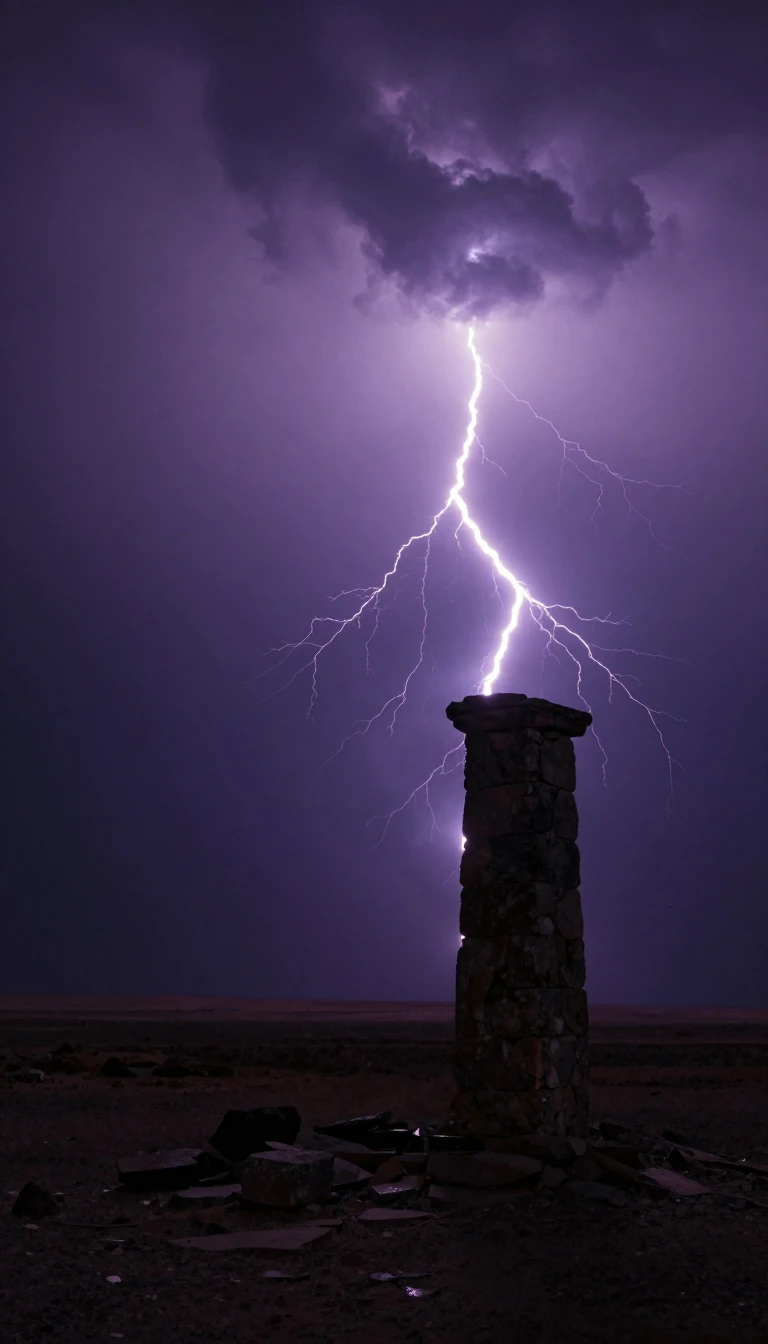
In short: In Greek mythology, Alala was not merely a sound but a divine entity, the personification of the battle-cry. Daughter of the war god Polemos, she served as a terrifying prelude to combat. Her legacy stretches from the ancient battlefield to the controversial political movements of the twentieth century.
The name Alala originates from the onomatopoeic Greek term alalē, representing the primal sound of a war-cry. Ancient soldiers utilized this vocal weapon to sow panic among their enemies. Athenians, in particular, were said to adopt this cry to mimic the owl, the sacred bird of their patron goddess, Athena. The poet Pindar described Alala as the daughter of Polemos, the personification of war itself. He characterized her as a precursor to the clash of spears, a figure to whom men offered a grim, holy sacrifice of death in defense of their city.
As an attendant of Ares, Alala occupied a place within the god's formidable entourage, which included his sons Phobos and Deimos, as well as Eris, the personification of discord, and her various children representing the horrors of battle. The connection to Ares was so profound that the god himself was sometimes referred to by the epithet Alalaxios. This divine association underscores the role of the war-cry as an essential, almost ritualistic, component of ancient Greek warfare, bridging the gap between human aggression and mythological terror.
The influence of this ancient cry persisted long after the classical era. In August 1917, the poet Gabriele D'Annunzio synthesized the Greek term with a Sardinian shout to create 'Eja Eja Alala', intending it as a refined replacement for the 'barbaric' Hip Hip Hurrah. Initially used by aviation corps during World War I, the phrase became linked to the 1919 capture of Fiume and was subsequently co-opted by the Fascist movement. By 1926, the cry had even migrated into literature, serving as the title for a poetry collection by the Polish writer Artur Maria Swinarski, illustrating the enduring, if transformed, power of this ancient invocation.
Opens the Intellect+ feed with this card first. Swipe up for the next one.
Sources
- Summary by Intellect · source: Alala
To cite this card, link to https://intellectplus.co.uk/app/ideas-alala.
How we source, check and correct cards: Editorial standards.
General information, not professional advice. Spotted an error? Flag the card or see corrections and complaints.
Intellect Plus is a visual educational discovery platform for exploring fascinating facts and ideas. Brain Food, Not Brain Rot. What is Intellect Plus?
Related
More in Greek mythology · More in Ideas & Philosophy · Latest · A–Z · All topics
