Alfred Noyes: The Traditionalist Poet Who Once Called Ulysses Literary Bolshevism
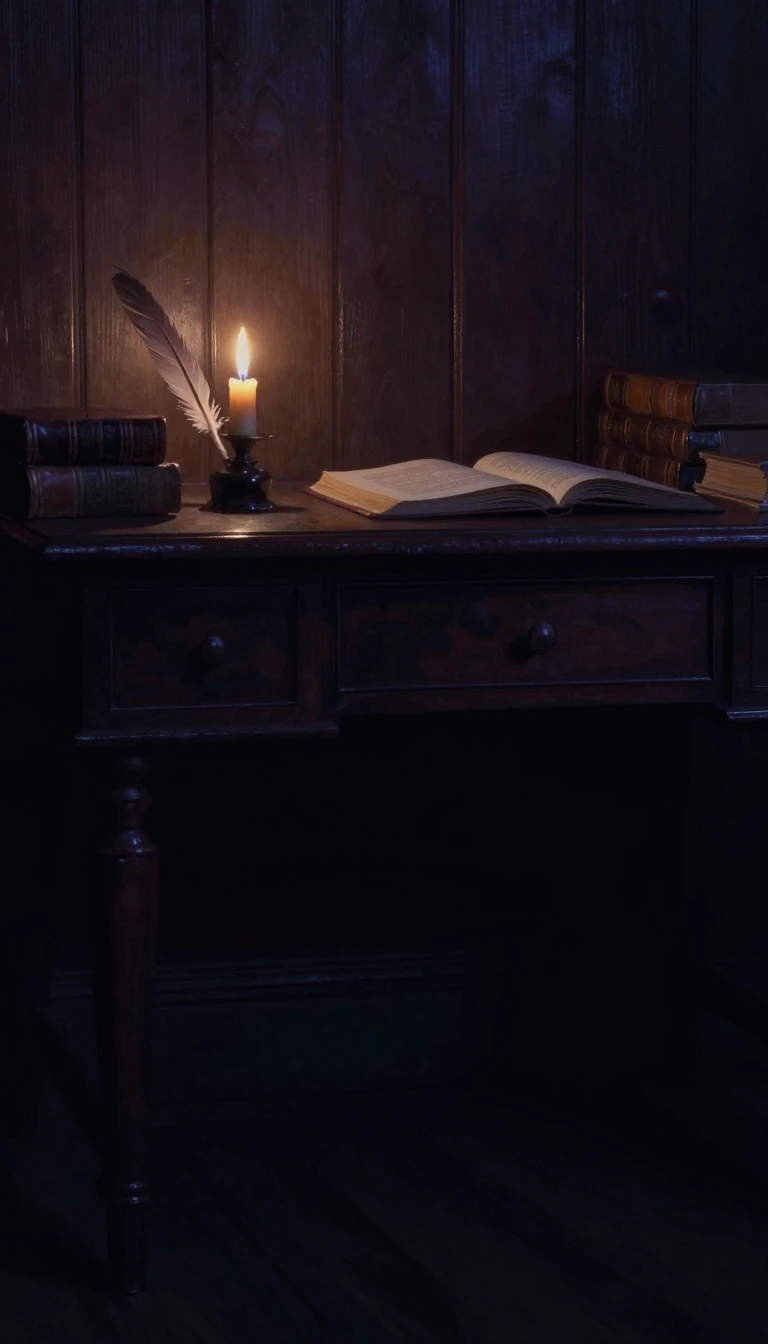
In short: Alfred Noyes was a celebrated English traditionalist whose lyrical verse and ballads captured the public imagination in the early 20th century. While his work thrived on classic narrative structures, he became a fierce critic of modernism, famously condemning James Joyce’s Ulysses as the foulest book ever printed.
Alfred Noyes was a traditionalist English poet whose early career was defined by patriotic fervor and a deep love for the sea. Born in 1880, he rose to prominence with his first volume, The Loom of Years, published in 1902 while he was still a student at Oxford. His work was lauded by literary giants like W. B. Yeats and George Meredith, and he enjoyed significant popularity with the book-buying public for his first two decades of writing. His most enduring work, The Highwayman, remains a staple of British literary culture, even being voted the nation's 15th favorite poem in a 1995 BBC poll.
Noyes viewed himself as a successor to the great tradition of English literature, citing Chaucer, Shakespeare, Milton, and Tennyson as the greatest writers in the language. This reverence for classical form led him to disdain the rise of literary modernism. He viewed the works of figures like T. S. Eliot, Arnold Bennett, and Marcel Proust as harmful to society. His contempt for James Joyce was particularly intense; he labeled Ulysses as both obscure and vulgar, even going so far as to describe it as 'Literary Bolshevism' in a 1922 article for the Sunday Chronicle.
Beyond his poetry, Noyes had a significant academic career, serving as a visiting professor at Princeton University from 1914 to 1923, where he taught students including F. Scott Fitzgerald and Edmund Wilson. His commitment to traditional narrative forms aligns with the historical definition of the ballad—a genre characterized by its focus on climactic situations and dramatic, sensational effects. While the ballad form relies on oral transmission and constant variation to remain alive, Noyes’ own work was fixed in print, reflecting his role as a bridge between the traditional folk-inspired narrative and the structured, published poetry of the early 20th century.
Opens the Intellect+ feed with this card first. Swipe up for the next one.
Sources
- Summary by Intellect · source: Alfred Noyes | Victorian Poet, Ballads, Narrative Poems | Britannica
- Also: Alfred Noyes
To cite this card, link to https://intellectplus.co.uk/app/ideas-alfred-noyes.
How we source, check and correct cards: Editorial standards.
General information, not professional advice. Spotted an error? Flag the card or see corrections and complaints.
Intellect Plus is a visual educational discovery platform for exploring fascinating facts and ideas. Brain Food, Not Brain Rot. What is Intellect Plus?
Related
More in Writers · More in Ideas & Philosophy · Latest · A–Z · All topics
