Why the most philosophical French Romantic poet prescribed total isolation for his peers
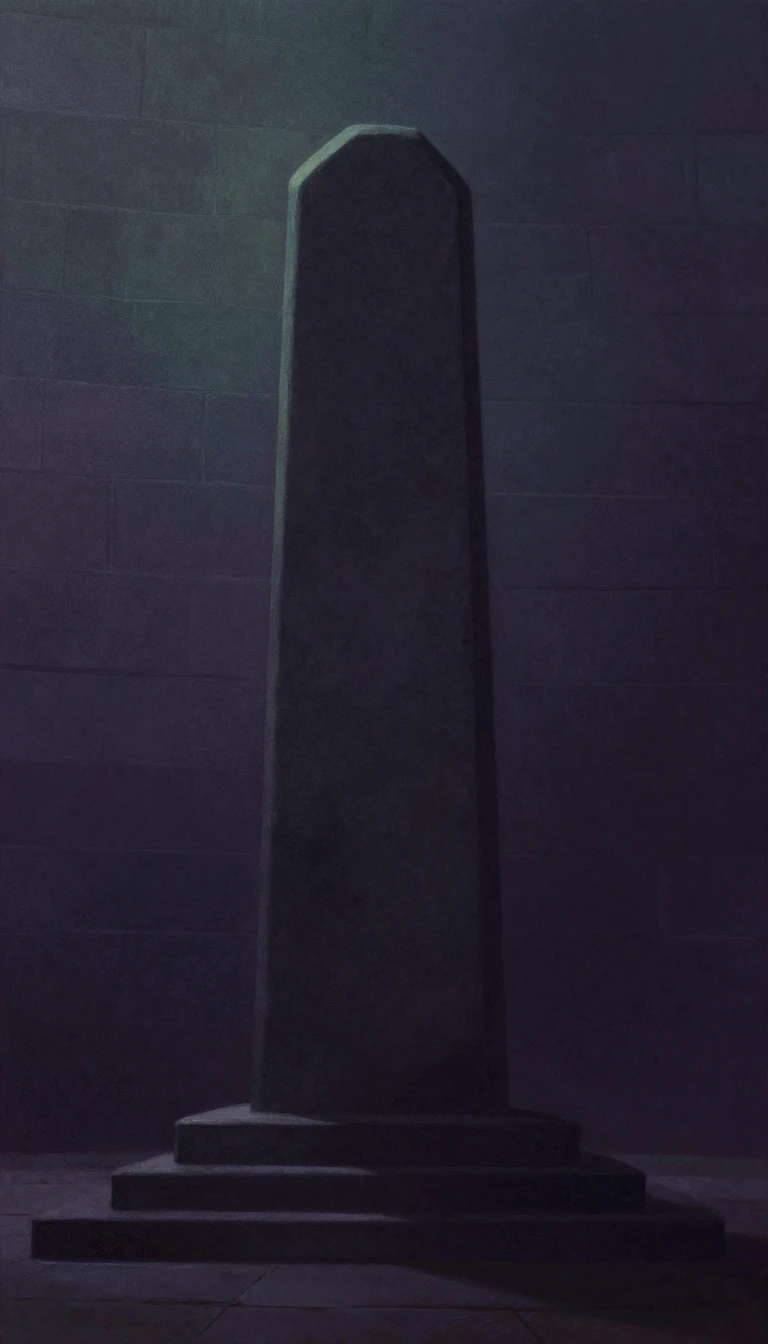
In short: Alfred de Vigny, a central figure of French Romanticism, concluded that poets must detach from political life to preserve their art. Haunted by the tragic fates of writers like Thomas Chatterton, Vigny argued that society inevitably ostracizes the genius, forcing the artist to seek refuge in an intellectual ivory tower.
Born in 1797 to an aristocratic family diminished by the French Revolution, Alfred de Vigny initially sought glory in the military. He served as a second lieutenant in the king's guard starting in 1814, but he found garrison life stifling. By 1827, he abandoned his commission to pursue literature, having already gained acclaim for his early poetry and his 1826 historical novel, Cinq-Mars, which was the first of its kind in French.
As his career matured, Vigny’s outlook darkened. The political instability of the July Revolution left him disillusioned with both the monarchy and the rising bourgeoisie. This pessimism permeated his 1832 work, Stello, a philosophical novel structured as a series of consultations between a poet and his intellect, Doctor Noir. Through these dialogues, Vigny examined the lives of poets like Nicolas Gilbert, André Chénier, and Thomas Chatterton, concluding that political regimes—regardless of their ideology—consistently inflict a form of perpetual ostracism upon the artist.
Vigny’s solution was a radical separation of poetic life from the public arena. He believed that direct political involvement corrupted the dignity of art and exposed the poet to the cruelties of fanaticism. This philosophy of stoic detachment, which Sainte-Beuve famously described as retreating to an 'ivory tower,' defined his later years. While his personal life was marked by an unhappy marriage and a volatile liaison with the actress Marie Dorval, his literary legacy remains rooted in this profound, often somber, meditation on the role of the misunderstood genius in a materialistic world.
Opens the Intellect+ feed with this card first. Swipe up for the next one.
Sources
- Summary by Intellect · source: Alfred-Victor, count de Vigny | French Romantic Poet, Novelist & Dramatist | Britannica
- Also: Alfred de Vigny
To cite this card, link to https://intellectplus.co.uk/app/ideas-alfred-de-vigny.
How we source, check and correct cards: Editorial standards.
General information, not professional advice. Spotted an error? Flag the card or see corrections and complaints.
Intellect Plus is a visual educational discovery platform for exploring fascinating facts and ideas. Brain Food, Not Brain Rot. What is Intellect Plus?
Related
More in Writers · More in Ideas & Philosophy · Latest · A–Z · All topics
