Amitābha: The Buddha whose vow promises enlightenment to even the most wicked individuals
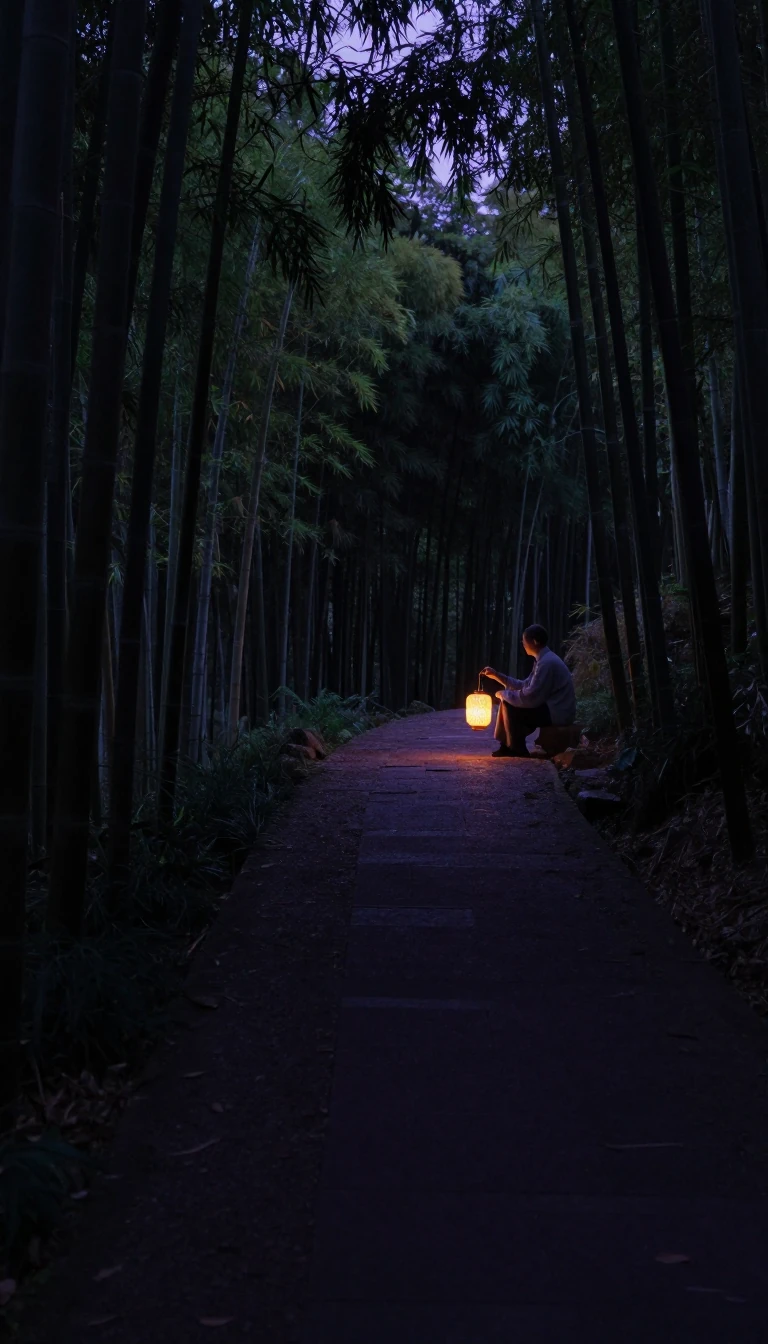
In short: Amitābha, the Buddha of Limitless Light, is the central figure of Pure Land Buddhism. His legend suggests that by simply reciting his name with sincere faith, anyone—regardless of their past transgressions—can be reborn in his blissful realm, where the path to ultimate enlightenment becomes swift and guaranteed.
Amitābha, whose name signifies both infinite light and measureless life, emerged as a prominent figure in the Gandhara region of modern-day Pakistan and Afghanistan around the first century CE. According to the Larger Sukhāvatīvyūha Sūtra, he was once a monk named Dharmākara. After five eons of contemplation, he vowed to create a perfect realm, Sukhāvatī, where beings could escape the cycle of lower rebirths and attain Buddhahood. His eighteenth vow is particularly famous, promising that any sentient being who thinks of him even ten times will be reborn in his land, provided they have not committed the five grave offenses—though later traditions expanded this to include even the most defiled individuals.
The practice of nianfo, or mindfulness of the Buddha, serves as the primary vehicle for this devotion. By reciting Amitābha’s name or chanting specific dhāraṇī, practitioners rely on his 'Other Power' to secure their place in the Pure Land. This approach was championed by Chinese masters like Tanluan, Daochuo, and Shandao between the 5th and 9th centuries. They argued that because the world is fraught with hardship, Amitābha’s accessible path offers a more realistic route to liberation for laypeople than traditional, rigorous meditation practices.
Scholars debate the origins of this figure. While some suggest influences from Zoroastrian deities or solar gods, others, such as Kōtatsu Fujita, argue that Amitābha evolved directly from early Buddhist concepts regarding the transcendent nature of Shakyamuni Buddha. Evidence from the Kushan Empire, including a 104 CE statue inscription, confirms that by the early second century, Amitābha was already being venerated by merchants and lay followers. Today, he remains the most widely worshipped Buddhist figure in East Asia, representing a bridge between the human condition and the promise of infinite compassion.
In the Pure Land, existence is transformed. Beings are born from lotus flowers, and even those who harbor doubts are purified within these blossoms for 500 years before emerging to witness the Buddha's splendor. This vision of an accessible afterlife, supported by texts like the Amitābha Sūtra and the Contemplation Sūtra, transformed Buddhism from an elite monastic pursuit into a universalist faith that continues to resonate across East Asian and Tibetan traditions.
Opens the Intellect+ feed with this card first. Swipe up for the next one.
Sources
- Summary by Intellect · source: Amitābha
To cite this card, link to https://intellectplus.co.uk/app/ideas-amit-bha.
How we source, check and correct cards: Editorial standards.
General information, not professional advice. Spotted an error? Flag the card or see corrections and complaints.
Intellect Plus is a visual educational discovery platform for exploring fascinating facts and ideas. Brain Food, Not Brain Rot. What is Intellect Plus?
Related
More in Mythology · More in Ideas & Philosophy · Latest · A–Z · All topics
