In ancient Mesopotamia, the afterlife was a bleak, dusty shadow of life on earth.
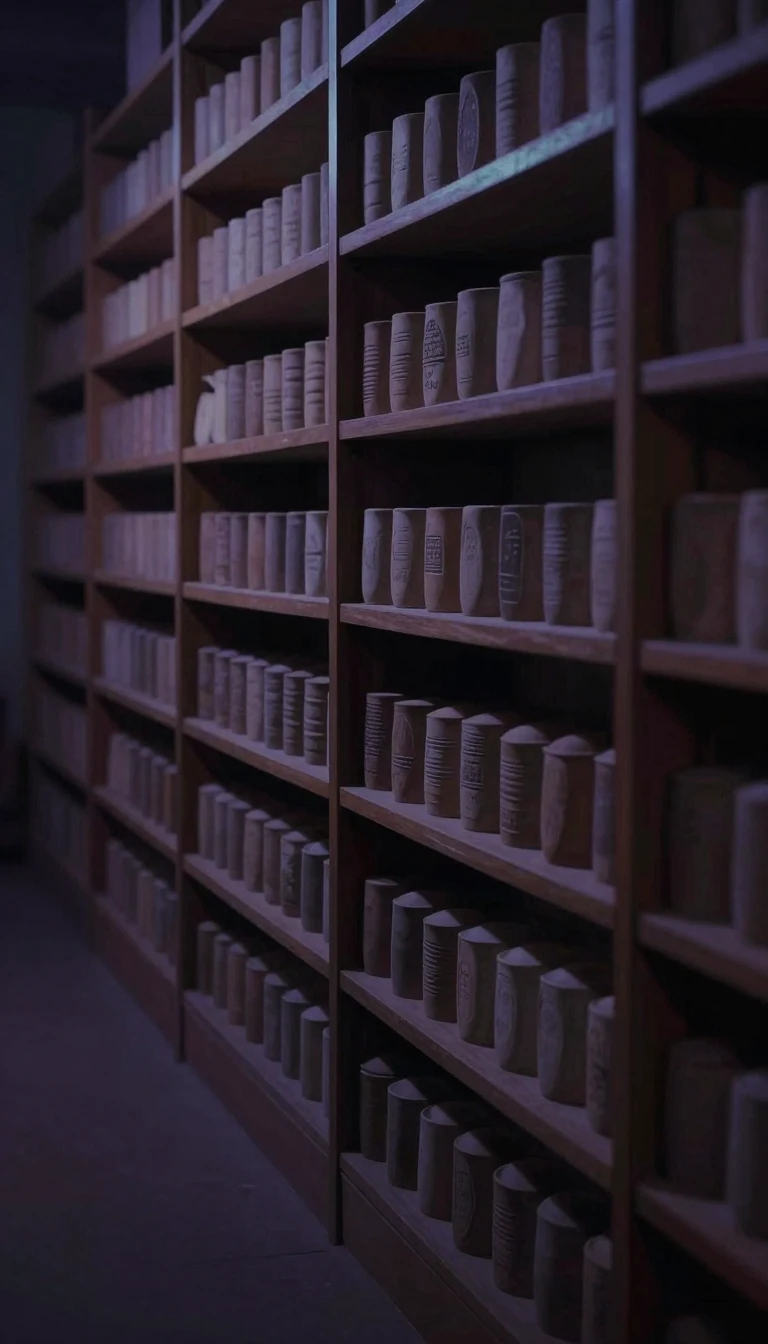
In short: Forget heaven or hell. For the ancient Mesopotamians, death was a dreary, subterranean existence where everyone—regardless of their earthly deeds—ended up. With no final judgment, the quality of your afterlife depended entirely on whether your living descendants remembered to pour libations of water into your grave.
The Mesopotamian underworld, known by names like Kur or Irkalla, was envisioned as a dark cavern deep beneath the earth. Unlike later traditions that emphasized moral accountability, this realm offered no rewards for virtue or punishments for sin. Every soul, from the most pious to the most wicked, faced the same monotonous fate, subsisting on a diet of dry dust and clay.
Survival in this shadow world was precarious and relied heavily on the living. Because the dead could not sustain themselves, they depended on family members to pour sacred liquid offerings through clay pipes into their graves. Those who died without heirs were the most unfortunate, as they had no one to provide for them, often leading to a miserable existence or the haunting of the living. During the Third Dynasty of Ur, roughly between 2112 and 2004 BC, social status also played a role; it was believed that those who received lavish burials might fare better than those who were buried poorly.
The realm was governed by the goddess Ereshkigal from her palace, Ganzir. Over time, myths evolved to include her husband, the god of war Nergal, as a co-ruler. The underworld was also populated by various demons, such as the child-devouring Lamashtu and the galla, who were tasked with dragging mortals into the depths. While the sun god Shamash was said to visit the underworld during his nightly journey, the overall atmosphere remained one of gloom, where even the most privileged might only find solace in music.
The fate of the deceased was recorded by the scribal goddess Geshtinanna, who alternated time in the underworld with her brother, the shepherd god Dumuzid. Despite the bleakness, the underworld was not entirely static. Some myths suggest that the dead were categorized by their earthly circumstances, such as the number of children they had, while others who died in fires or alone in the desert were thought to cease existing entirely.
Opens the Intellect+ feed with this card first. Swipe up for the next one.
Sources
- Summary by Intellect · source: Ancient Mesopotamian underworld
To cite this card, link to https://intellectplus.co.uk/app/ideas-ancient-mesopotamian-underworld.
How we source, check and correct cards: Editorial standards.
General information, not professional advice. Spotted an error? Flag the card or see corrections and complaints.
Intellect Plus is a visual educational discovery platform for exploring fascinating facts and ideas. Brain Food, Not Brain Rot. What is Intellect Plus?
Related
More in Mythology · More in Ideas & Philosophy · Latest · A–Z · All topics
