How the ancient gods of the Levant evolved into the foundations of monotheism
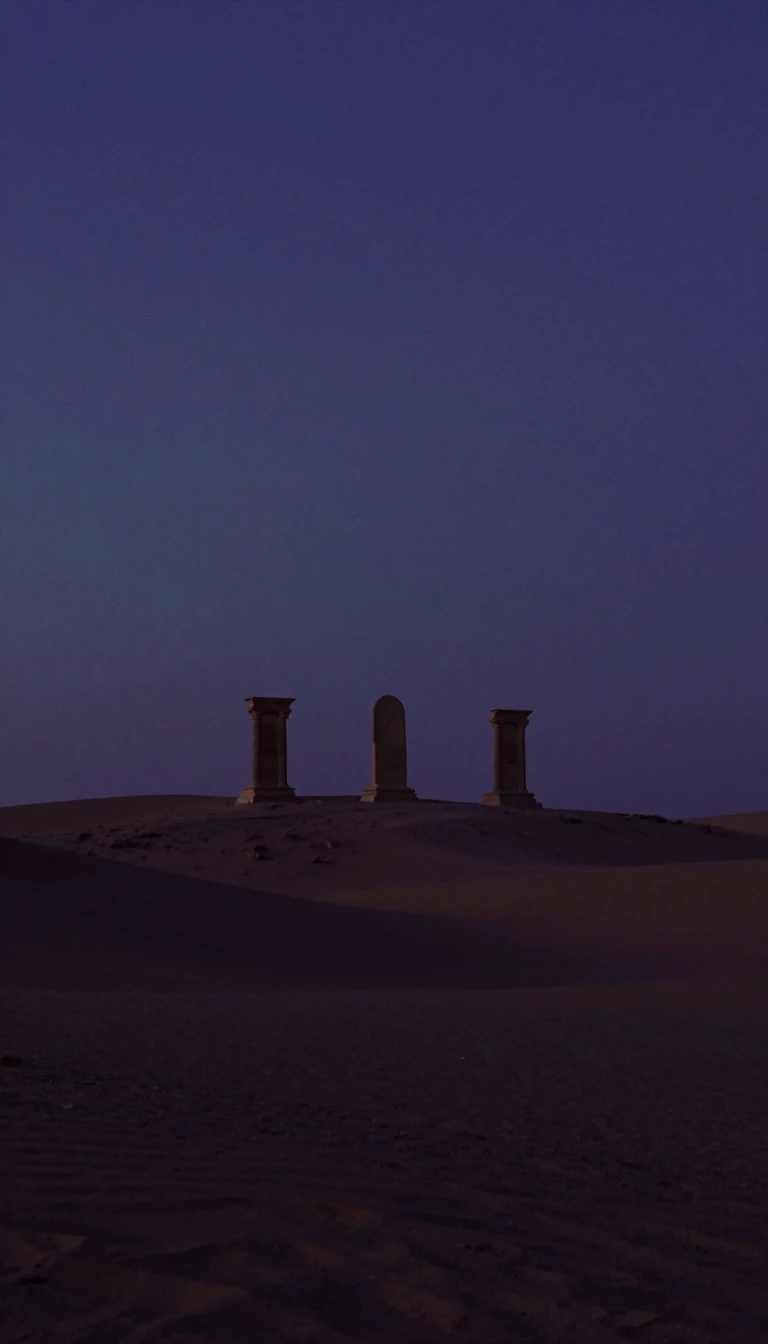
In short: Long before the rise of modern monotheism, the ancient Near East was a vibrant landscape of polytheistic traditions. By examining shared linguistic roots and archaeological discoveries in places like Ugarit, we can trace how a complex pantheon of sky, sun, and storm deities slowly syncretized into the singular divine.
Ancient Semitic religion refers to the polytheistic traditions of peoples across the Near East and Northeast Africa. While the term is a broad category, it encompasses diverse regional pantheons, including the Canaanite religions of the Levant, Mesopotamian traditions, and Arabian polytheism. These systems were deeply interconnected, sharing linguistic cognates for divinity; for instance, the Canaanite supreme god El shares a root with the Arabic Allah and the Hebrew El or Elohim.
For centuries, our understanding of Canaanite religion was filtered primarily through Biblical accounts and secondary Greek sources, such as the writings of Philo of Byblos. This changed significantly after 1928, when excavations at Ras Shamra—ancient Ugarit—revealed a vast archive of clay tablets. These texts provided a direct look at a pantheon where El, the creator deity, fathered other gods, a group known as the 'ilhm or 'sons of God.' This structure mirrors the concept of the 70 nations of Earth, each ruled by one of the Elohim, a belief found in both Ugaritic texts and the Dead Sea Scrolls.
The transition from this polytheistic framework to Abrahamic monotheism was not an abrupt break but a process of syncretism. Yahwism, the religion of the Iron Age kingdoms of Israel and Judah, centered on Yahweh, who was gradually identified with the supreme Canaanite god El. Scholars note that various narratives in the Hebrew Bible, such as the creation story or the flood, share striking parallels with earlier Assyro-Babylonian epics like the Enuma Elish and the Epic of Gilgamesh. This evolution reflects a broader cultural dialogue, where ancient deities were reinterpreted and merged as regional powers rose and fell, eventually shaping the religious landscape of the modern world.
Opens the Intellect+ feed with this card first. Swipe up for the next one.
Sources
- Summary by Intellect · source: Ancient Semitic religion
To cite this card, link to https://intellectplus.co.uk/app/ideas-ancient-semitic-religion.
How we source, check and correct cards: Editorial standards.
General information, not professional advice. Spotted an error? Flag the card or see corrections and complaints.
Intellect Plus is a visual educational discovery platform for exploring fascinating facts and ideas. Brain Food, Not Brain Rot. What is Intellect Plus?
Related
More in Other religions · More in Ideas & Philosophy · Latest · A–Z · All topics
