Why do millions pause for a bell that signals the Incarnation of Christ?
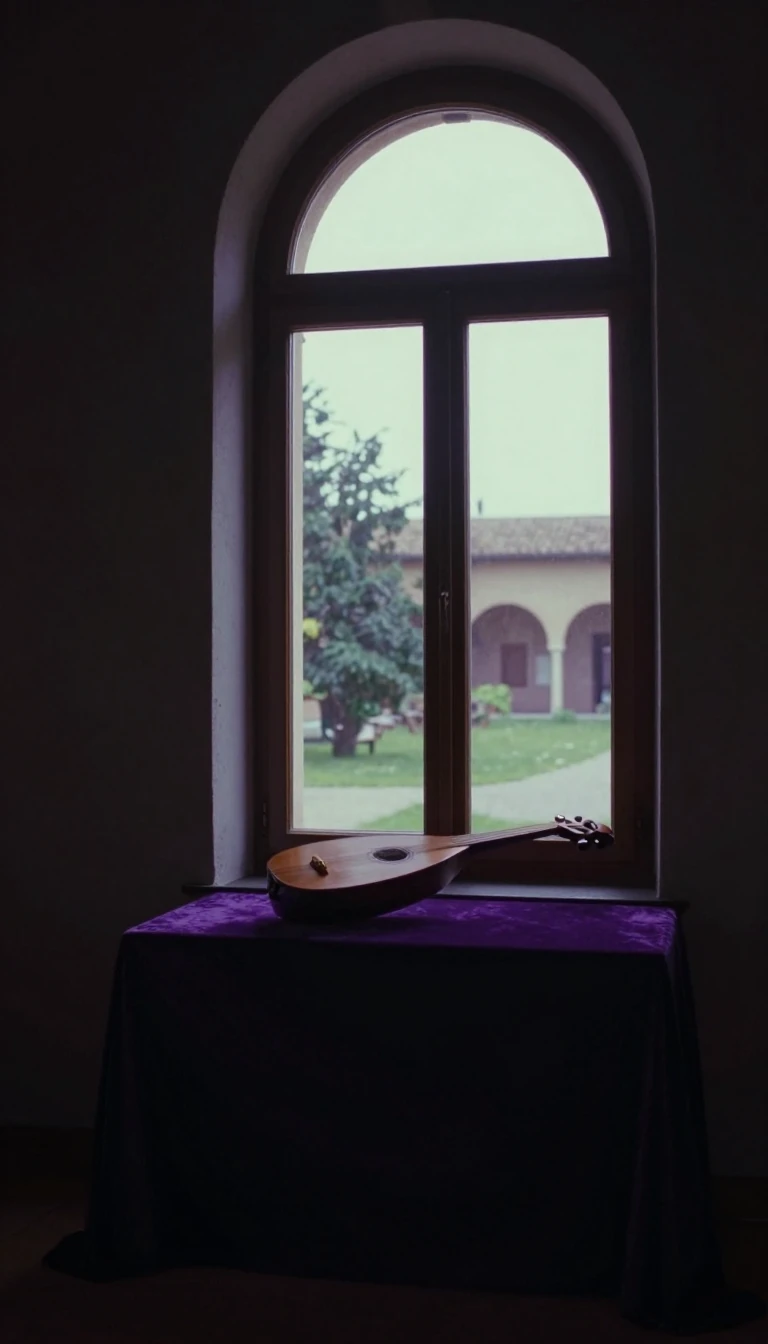
In short: The Angelus is a centuries-old Catholic devotion that marks the morning, noon, and evening with a rhythmic tolling of bells. While it commemorates the biblical moment Gabriel announced the birth of Jesus to Mary, it has evolved into a global cultural touchstone, bridging the gap between ancient ritual and modern life.
The Angelus derives its name from its opening Latin words, which translate to 'The Angel of the Lord'. The practice involves reciting three biblical verses and the Hail Mary, often punctuated by a specific pattern of eighteen bell strikes. Historically, this devotion emerged from 11th-century monastic habits of praying at set times, with formal documentation appearing in 13th-century Italian Franciscan records. By the 17th century, the structure of the prayer had become standardized across the Catholic Church.
Beyond its religious function, the Angelus has deeply influenced societal rhythms. In Italy, the evening bell once served as the primary reference point for calculating the day's hours, a practice famously referenced in Leoncavallo’s opera Pagliacci. Similarly, in Germany, the bells were frequently called 'Peace bells' and tolled as a plea for tranquility. In Ireland, the daily broadcast of the Angelus on national television remains a persistent, if debated, cultural fixture that many viewers cherish as a brief moment of grace or quiet reflection.
The devotion is not static; it has been adapted by various denominations, including Anglican and Lutheran traditions. Pope John XXIII institutionalized the Sunday Angelus Address in 1959, a tradition where the pontiff speaks from the Vatican to crowds in Saint Peter's Square. Whether practiced in quiet solitude, broadcast over shopping mall speakers in the Philippines, or observed in university bell towers, the Angelus persists as a reminder of the Incarnation, inviting the faithful to pause and reflect on the narrative of the Christian epic.
Opens the Intellect+ feed with this card first. Swipe up for the next one.
Sources
- Summary by Intellect · source: Angelus
To cite this card, link to https://intellectplus.co.uk/app/ideas-angelus.
How we source, check and correct cards: Editorial standards.
General information, not professional advice. Spotted an error? Flag the card or see corrections and complaints.
Intellect Plus is a visual educational discovery platform for exploring fascinating facts and ideas. Brain Food, Not Brain Rot. What is Intellect Plus?
Related
More in Religious figures · More in Ideas & Philosophy · Latest · A–Z · All topics
