The ancient hymn of angels that evolved from private prayer to global musical masterpiece
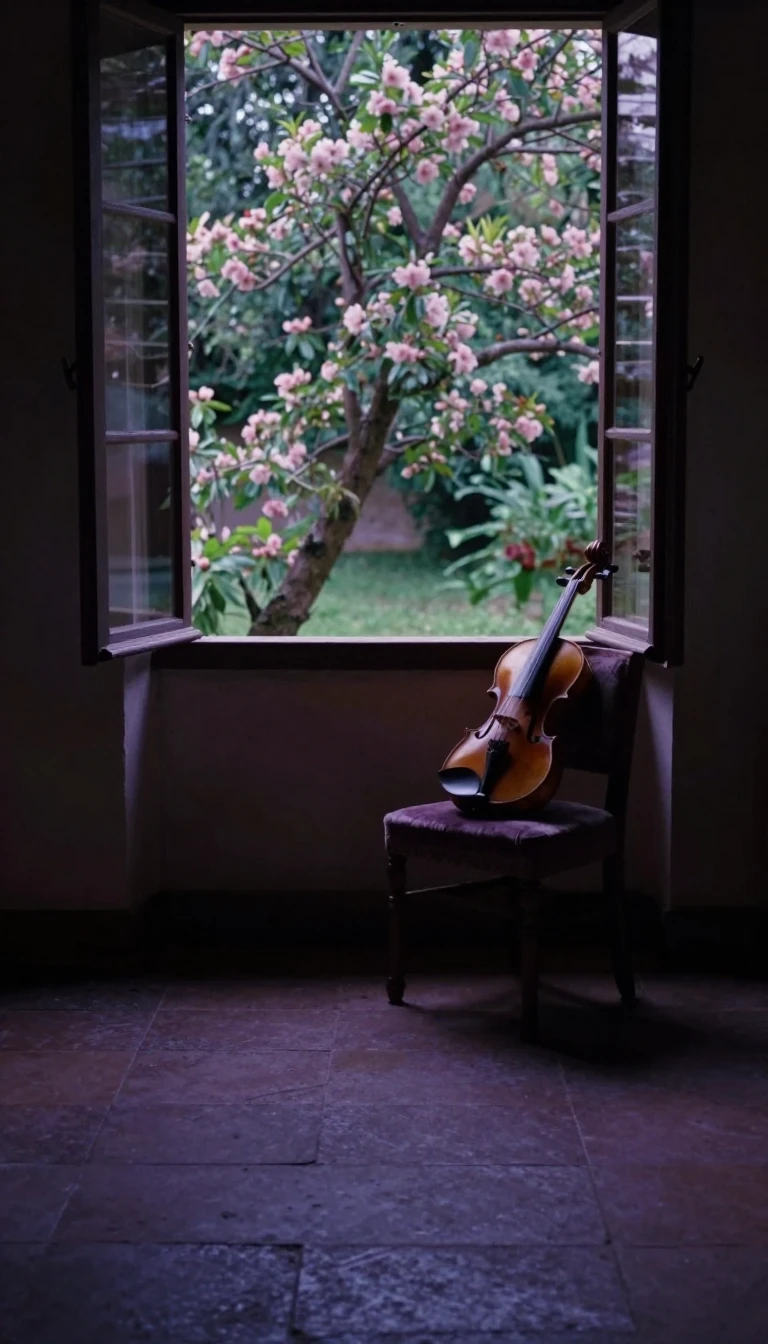
In short: Known as the Greater Doxology, this Christian hymn traces its origins to the nativity story. Once a private psalm in the early centuries, it transformed into a central liturgical pillar across diverse traditions, inspiring centuries of polyphonic compositions and enduring as a foundational piece of Western and Eastern sacred music.
The Gloria in excelsis Deo, or the Angelic Hymn, finds its biblical roots in the annunciation to shepherds. Historically categorized among the psalmi idiotici—private compositions mimicking the Psalter—it gained prominence during the 2nd and 3rd centuries. By the 4th century, it had become a fixture of morning prayers, a role it continues to hold within the Byzantine Rite.
Liturgical usage varies significantly across denominations. In the Roman Rite, it is a staple of the Mass, though its inclusion depends on the liturgical calendar, traditionally omitted during penitential seasons like Lent and Advent. The Eastern Orthodox tradition distinguishes between the Greater Doxology, which is sung during festal Matins, and the Lesser Doxology, which is read on simpler occasions. Meanwhile, the Syriac Orthodox Church incorporates it into daily midnight prayers as the Teshbuhto d'malakhe.
Beyond its ritual function, the hymn has served as a profound canvas for musical creativity. Medieval scholars identified over two hundred plainchant melodies for the text, and the era saw the rise of 'farced' Glorias, which inserted additional phrases to honor the Blessed Virgin Mary. The Renaissance and Baroque periods cemented its status in Western art music, with composers like J.S. Bach, Antonio Vivaldi, and George Frideric Handel producing celebrated settings. Even today, the hymn's opening refrain remains recognizable, famously anchoring the beloved Christmas carol 'Angels We Have Heard on High'.
The text itself reflects a complex history of translation. While the Latin version uses 'excelsis' to translate the Greek 'hypsístois' from Luke 2:14, it retains 'Altissimus' for later references to Jesus Christ. Whether through the elaborate rituals of the Byzantine Rite or the contemporary arrangements of modern composers, the Gloria remains a testament to the enduring power of ancient liturgical poetry.
Opens the Intellect+ feed with this card first. Swipe up for the next one.
Sources
- Summary by Intellect · source: Gloria in excelsis Deo
To cite this card, link to https://intellectplus.co.uk/app/music-gloria-in-excelsis-deo.
How we source, check and correct cards: Editorial standards.
General information, not professional advice. Spotted an error? Flag the card or see corrections and complaints.
Intellect Plus is a visual educational discovery platform for exploring fascinating facts and ideas. Brain Food, Not Brain Rot. What is Intellect Plus?
Related
More in Music · More in Music · Latest · A–Z · All topics
