Why ancient societies believed the gods required the blood of their finest livestock
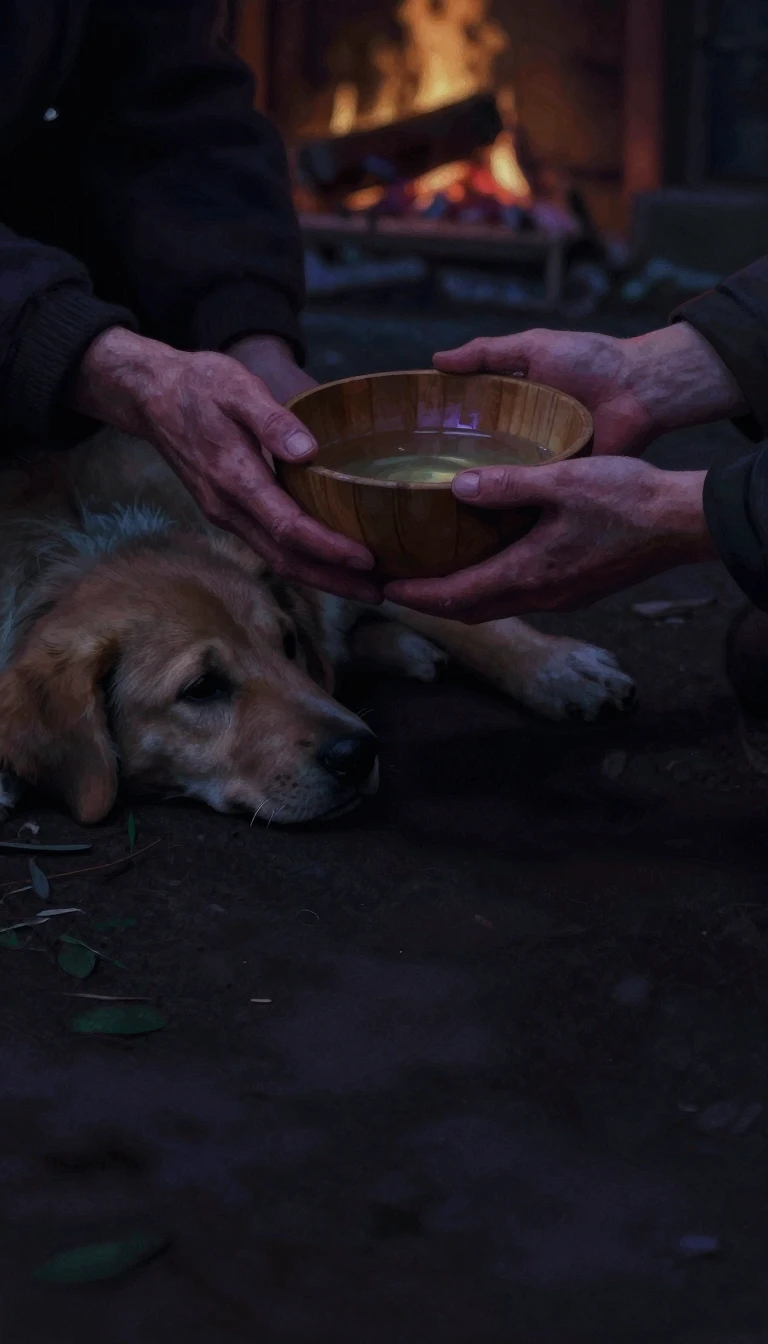
In short: For millennia, animal sacrifice was a universal language of the divine. From the elaborate feasts of Greece to the solemn burnt offerings of the Near East, humans killed their most prized animals to secure favors, avert disasters, or simply maintain a cosmic contract between the earthly and the sacred.
Animal sacrifice was rarely just about death; it was a complex social and religious mechanism. In Ancient Greece, the ritual was a communal event where the animal was decorated and led to an altar. While the deity received the bones and internal organs—often burned as an offering—the participants consumed the meat in a feast. This practice highlights a pragmatic view of the divine, where the sacrifice served as a bridge between the human and the supernatural, sometimes even becoming a subject of humor in Greek comedy because the humans clearly benefited more from the meal than the gods did.
In contrast, many Near Eastern cultures and Roman rituals often employed the 'holocaust' method, where the entire animal was consumed by fire or buried, leaving nothing for the participants. Roman religion, in particular, viewed sacrifice as a formal contract. The victim had to be perfect, calm, and willing, and the ritual was carefully orchestrated to harmonize the earthly and divine realms. If the gods failed to protect the state, as seen after the death of Emperor Trajan, the promised sacrifices were sometimes withheld, treating the relationship with the divine as a transactional, legalistic arrangement.
The practice evolved alongside human civilization, from the Neolithic transition where livestock replaced wild game, to the specific rituals of the Celts, Norse, and Hebrews. In the Hebrew tradition, sacrifice was strictly regulated and centered on the Temple in Jerusalem until its destruction in 70 CE. While Christianity largely replaced these rituals with the symbolic 'bloodless' sacrifice of the Eucharist, remnants persist in various forms today, such as the Armenian matagh or the Greek kourbania. These traditions, often rooted in pre-Christian customs, underscore how deeply the impulse to offer life to the divine was woven into the fabric of early human society.
Opens the Intellect+ feed with this card first. Swipe up for the next one.
Sources
- Summary by Intellect · source: Animal sacrifice
To cite this card, link to https://intellectplus.co.uk/app/ideas-animal-sacrifice.
How we source, check and correct cards: Editorial standards.
General information, not professional advice. Spotted an error? Flag the card or see corrections and complaints.
Intellect Plus is a visual educational discovery platform for exploring fascinating facts and ideas. Brain Food, Not Brain Rot. What is Intellect Plus?
Related
More in Religion and spirituality · More in Ideas & Philosophy · Latest · A–Z · All topics
