Arabic maqam is a complex system of melodic modes that transcends Western musical scales.
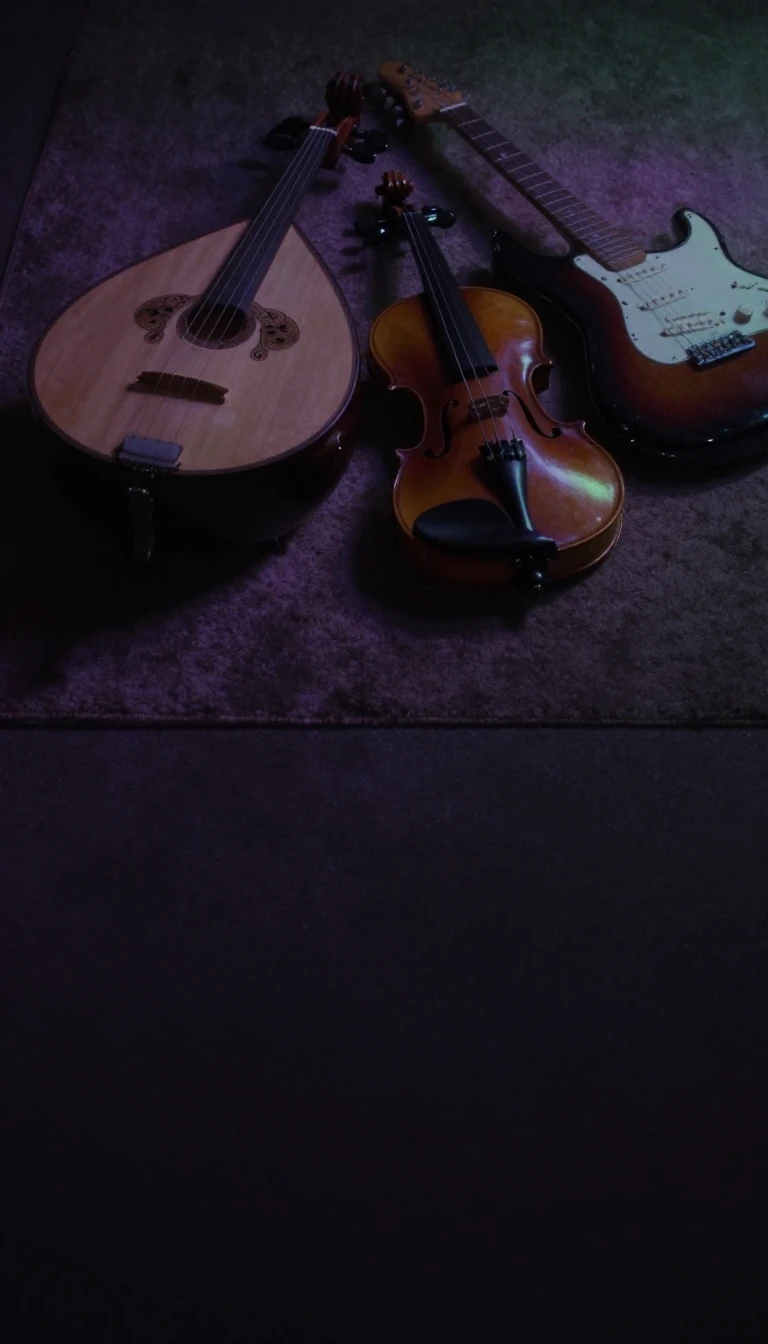
In short: The Arabic maqam is far more than a simple scale; it is a sophisticated technique of improvisation and tonal-spatial organization. Defined by microtonal intervals and specific melodic nuclei, this ancient system shapes the art music of the Near East, North Africa, and Central Asia through oral tradition and deep listening.
The term maqam, appearing in fourteenth-century treatises by al-Sheikh al-Safadi and Abdulqadir al-Maraghi, refers to a modal structure unique to Arabic art music. Unlike Western music, which relies on a twelve-tone equal-tempered system, the maqam system utilizes 72 heptatonic tone rows constructed from various seconds. These scales are microtonal, meaning they do not necessarily align with standard semitones. Because precise notation of these intervals is impractical, a 24-tone system was adopted in the early 20th century to allow for Western notation, though it remains a convention that does not capture the actual, nuanced intonation performed by masters.
At the heart of a maqam are ajnas—smaller sets of consecutive notes, typically tetrachords, that serve as the building blocks of the melody. A maqam is structured by a lower and an upper jins, with modulation occurring when a performer shifts between these segments or transitions to a related maqam. This melodic development is guided by the maqam's nucleus, which defines the habitual phrases and emphasized notes. While instruments like the oud or nay can faithfully reproduce these microtonal details, fixed-pitch instruments like the piano struggle to capture the system's true character.
The emotional impact of maqam is a subject of both cultural tradition and scientific inquiry. It is often claimed that specific maqamat evoke distinct moods—such as pride in Rast or sadness in Saba—yet research remains inconclusive. In one study, while Arab subjects consistently identified maqam Saba as tragic or lamenting, non-Arab listeners showed far less consensus. Ultimately, the maqam is a living tradition, deeply tied to regional linguistic accents and historical periods, passed down through generations of listening rather than rigid documentation.
Opens the Intellect+ feed with this card first. Swipe up for the next one.
Sources
- Summary by Intellect · source: Arabic maqam
To cite this card, link to https://intellectplus.co.uk/app/ideas-arabic-maqam.
How we source, check and correct cards: Editorial standards.
General information, not professional advice. Spotted an error? Flag the card or see corrections and complaints.
Intellect Plus is a visual educational discovery platform for exploring fascinating facts and ideas. Brain Food, Not Brain Rot. What is Intellect Plus?
Related
More in Writers · More in Ideas & Philosophy · Latest · A–Z · All topics
